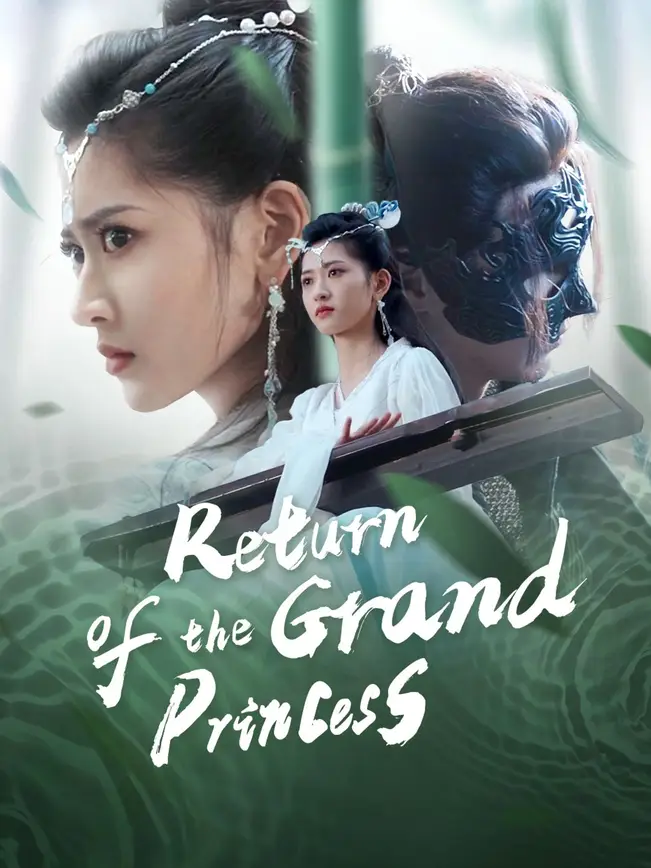
(Dubbed)Return of the Grand Princess Storyline
(Dubbed)Return of the Grand Princess More details
Genres:Karma Payback/Multiple Identities/Ancient Times
Language:English
Release date:2025-04-27 07:18:24
Runtime:141min
(Dubbed)Return of the Grand Princess: Shot
As the princess prepares for the archery demonstration, the focus shifts to the murmurs of the court officials, whose gossip serves as a vocal representation of the societal biases at play. Two officials in particular, dressed in matching red robes, engage in a whispered conversation that undermines the princess's abilities before she has even loosed an arrow. Their dialogue reveals a deep-seated skepticism about women participating in such ceremonial duties, reflecting the patriarchal norms of the setting. In <span style="color:red">(Dubbed)Return of the Grand Princess</span>, these moments of dialogue are crucial for establishing the obstacles the protagonist must overcome. The officials question her right to start the party, suggesting that her gender disqualifies her from such an honor. This commentary adds a layer of social conflict to the physical challenge of archery, making the stakes feel personal as well as public. The camera cuts between the gossiping officials and the princess, creating a visual link between their words and her experience. Her reaction is one of restrained annoyance, indicating that she is accustomed to such criticism but still finds it irritating. The man in blue robes, standing nearby, observes the scene with a quiet intensity, suggesting that he may play a role in the unfolding events. His presence adds a element of mystery, as his allegiance remains unclear at this stage. The princess's decision to confront the noise directly shows her confidence, even if it is partially a facade. She calls out the officials for their gossip, asserting her authority despite their doubts. This interaction highlights the tension between her status as a princess and the disrespect she faces from the court. The scene is shot with a steady hand, allowing the dialogue to take center stage without distraction. The background noise of the courtyard is minimized, ensuring that the viewer's attention remains on the confrontation. The costumes of the officials, with their distinct hats and sashes, help to differentiate them from the other courtiers, marking them as specific antagonists in this moment. The princess's pink attire continues to stand out, symbolizing her uniqueness in a sea of uniformity. The exchange ends with the officials retreating slightly, chastised but not fully silenced, leaving the tension unresolved. This sets the stage for the archery attempt, where their doubts will be either confirmed or disproven. The narrative pacing is deliberate, building suspense through conversation before moving to action. The writing in <span style="color:red">(Dubbed)Return of the Grand Princess</span> effectively uses dialogue to reveal character motivations and social dynamics. The officials' skepticism serves as a foil to the princess's determination, creating a dynamic conflict that drives the scene forward. The audience is left wondering whether the princess will succeed despite the odds stacked against her. The visual composition reinforces this divide, with the officials grouped together and the princess standing apart. The lighting remains consistent, maintaining the realistic tone of the scene. The sound design emphasizes the voices, making the gossip feel intrusive and personal. Overall, this segment deepens the characterization of the princess and establishes the social barriers she faces. The presence of <span style="color:red">(Dubbed)Return of the Grand Princess</span> elements ensures continuity with the broader narrative arc. The scene concludes with the princess turning her attention back to the bow, ready to prove her critics wrong. The anticipation for the shot is now heightened by the social conflict that has just occurred.
(Dubbed)Return of the Grand Princess: Luna
The moment the princess takes the bow in hand, the atmosphere shifts from social tension to physical challenge. The weight of the weapon seems to burden her more than expected, and her struggle to draw the string becomes the focal point of the scene. The camera zooms in on her hands, capturing the tremor and the effort required to hold the position. In <span style="color:red">(Dubbed)Return of the Grand Princess</span>, such details are used to convey vulnerability without diminishing the character's strength. The princess claims that the bow has been altered, suggesting sabotage rather than lack of skill. This accusation adds a layer of intrigue, implying that there are forces within the court working against her. The officials react with skepticism, dismissing her claim as an excuse for incompetence. Their laughter and whispered comments create a hostile environment that tests her resolve. The man in blue steps forward at this critical juncture, offering assistance that changes the dynamic of the scene. His approach is gentle but firm, indicating a level of familiarity or expertise with the situation. The interaction between them is charged with unspoken understanding, hinting at a deeper connection or shared history. The princess allows him to help, swallowing her pride to ensure the success of the ceremony. This moment of collaboration contrasts with the earlier isolation, showing that she does not have to face these challenges alone. The bow itself is a prop that carries symbolic weight, representing the traditions she is expected to uphold. The target on the lake serves as a distant goal, both literally and metaphorically. The water reflects the sky, creating a serene backdrop that contrasts with the tension on the shore. The boat holding the target is stationary, making the challenge seem achievable yet distant. The princess's focus shifts from the officials to the target as she prepares to shoot again with help. The camera angles change to show her perspective, aligning the viewer with her intent. The sound of the wind and the water adds to the sensory experience of the scene. The lighting highlights the concentration on her face, emphasizing the seriousness of the moment. The officials watch with bated breath, their expressions a mix of curiosity and doubt. The man in blue stands close, his presence a stabilizing force. The scene builds to a climax as the arrow is nocked and the string is drawn. The silence of the courtyard returns, amplifying the significance of the shot. The narrative in <span style="color:red">(Dubbed)Return of the Grand Princess</span> uses this sequence to explore themes of trust and cooperation. The princess's willingness to accept help shows growth and pragmatism. The officials' reactions serve as a barometer for the court's opinion, which hangs in the balance. The visual storytelling is complemented by the subtle performances of the actors, who convey complex emotions through gesture and expression. The scene concludes with the arrow ready to fly, leaving the outcome uncertain. The audience is left on the edge of their seats, waiting to see if the shot will land. The tension is masterfully maintained through pacing and composition. The presence of <span style="color:red">(Dubbed)Return of the Grand Princess</span> branding reinforces the show's identity. The segment effectively combines action with character development, creating a compelling narrative beat. The resolution of this moment will likely have significant consequences for the princess's standing in the court.
(Dubbed)Return of the Grand Princess: View
The visual composition of the archery scene is meticulously crafted to enhance the dramatic tension and highlight the emotional stakes. The camera alternates between wide shots that establish the scale of the courtyard and close-ups that capture the subtle expressions of the characters. In <span style="color:red">(Dubbed)Return of the Grand Princess</span>, this variation in shot size is used to control the pacing and focus of the narrative. The wide shots show the princess small against the backdrop of the palace, emphasizing her isolation and the magnitude of the task. The close-ups reveal the sweat on her brow and the determination in her eyes, humanizing her struggle. The color palette is vibrant, with the red of the officials' robes contrasting against the pink of the princess's dress and the blue of the helper's attire. This use of color helps to visually separate the factions within the scene. The architecture of the palace frames the action, with the pillars and roofs creating lines that lead the eye toward the center of the courtyard. The lake in the background provides a natural element that softens the rigid geometry of the buildings. The target on the boat is a small detail that draws the viewer's focus to the goal of the action. The lighting is natural, suggesting the scene takes place during the day, which adds to the realism. Shadows are used effectively to add depth to the characters' faces, highlighting their emotions. The movement of the camera is smooth, tracking the actions without distracting from the performance. The editing pace is deliberate, allowing moments of silence to breathe between lines of dialogue. The sound design complements the visuals, with the sound of the wind and the water adding to the atmosphere. The music is minimal, ensuring that the dialogue and action remain the primary focus. The costumes are detailed, with embroidery and fabrics that reflect the status of the characters. The props, such as the bow and arrow, are realistic and functional, adding to the authenticity of the scene. The acting is nuanced, with subtle gestures conveying complex emotions. The directing is confident, guiding the viewer through the narrative with clarity. The production values are high, evident in every frame of the video. The attention to detail in <span style="color:red">(Dubbed)Return of the Grand Princess</span> creates an immersive experience for the audience. The scene is a testament to the skill of the production team, who have created a visually stunning sequence. The combination of visual and auditory elements works together to create a cohesive and engaging narrative. The audience is drawn into the world of the show, feeling the tension and excitement of the moment. The visual storytelling is effective in conveying the themes of the episode without relying solely on dialogue. The scene leaves a lasting impression, contributing to the overall quality of the series. The presence of <span style="color:red">(Dubbed)Return of the Grand Princess</span> branding ensures that the viewer recognizes the show's identity. The segment is a highlight of the episode, showcasing the best of what the series has to offer. The visual excellence supports the narrative, making the story more compelling. The scene concludes with a sense of anticipation, leaving the viewer eager for the next moment.
(Dubbed)Return of the Grand Princess: Bow
The opening scene of this episode sets a tense atmosphere within the imperial courtyard, where the weight of tradition presses heavily on the shoulders of the young princess. The emperor, seated high above on his throne, delivers a decree that feels less like an invitation and more like a test of loyalty and capability. As the official in purple robes unrolls the scroll, the camera lingers on the intricate embroidery of the imperial garments, highlighting the opulence that surrounds these characters. The announcement of the spring party is meant to be a celebration, yet the requirement for the princess to perform archery introduces an element of public scrutiny that feels deliberately challenging. In <span style="color:red">(Dubbed)Return of the Grand Princess</span>, such moments are crafted to showcase the internal conflict between duty and personal capability. The princess, dressed in soft pink robes that contrast sharply with the rigid armor of the guards, stands alone against the expectation of the court. Her expression is a mixture of resolve and apprehension, suggesting that she is aware of the stakes involved in this public display. The architecture of the palace, with its vibrant colors and sweeping roofs, frames the scene in a way that emphasizes the grandeur of the setting while isolating the protagonist in the center of the frame. This visual storytelling technique is a hallmark of <span style="color:red">(Dubbed)Return of the Grand Princess</span>, where the environment often reflects the internal state of the characters. The officials standing in rows create a wall of judgment, their red robes forming a uniform block that contrasts with the individuality of the princess. As the decree is read, the silence of the courtyard amplifies the tension, making every word feel significant. The emperor's demeanor is calm but authoritative, indicating that this request is not merely ceremonial but potentially political. The princess's acceptance of the task, despite the visible hesitation, speaks to her character's resilience and the pressure she faces to conform to imperial expectations. The scene builds anticipation for the archery performance, leaving the audience wondering whether this is a setup for failure or an opportunity for triumph. The detailed costume design and the careful composition of the shot contribute to the immersive quality of the drama, drawing viewers into the complex social dynamics of the palace. The use of natural lighting enhances the realism of the scene, casting shadows that add depth to the characters' faces. Overall, this segment effectively establishes the central conflict of the episode, grounding the narrative in a specific cultural and historical context while maintaining a universal theme of proving oneself under pressure. The presence of <span style="color:red">(Dubbed)Return of the Grand Princess</span> branding throughout the sequence reminds viewers of the show's commitment to high production values and intricate storytelling. The interplay between the spoken decree and the unspoken reactions of the crowd creates a layered narrative that invites close observation. Every glance and gesture is loaded with meaning, contributing to the rich tapestry of the story. The scene concludes with the princess stepping forward, signaling the beginning of the challenge that will define the rest of the episode. The anticipation is palpable, setting the stage for a dramatic confrontation between expectation and reality.
(Dubbed)Return of the Grand Princess: Plot
The intervention of the man in blue robes introduces a new variable into the equation, shifting the focus from the princess's solitary struggle to a partnership. His hands guide hers on the bow, correcting her form with a precision that suggests extensive training. This physical closeness breaks the social barriers that usually separate members of the court, creating an intimate moment amidst the public spectacle. In <span style="color:red">(Dubbed)Return of the Grand Princess</span>, such interactions often signal the beginning of a romantic or alliances subplot. The officials watch this development with widened eyes, their gossip momentarily silenced by the unexpected turn of events. The princess's expression softens as she accepts his guidance, indicating a level of trust that goes beyond the immediate task. The man's face remains stoic, revealing little about his intentions or background. This mystery adds depth to his character, making him a figure of interest for the audience. The bow, which was previously a source of frustration, becomes a tool of connection between the two characters. The camera captures the details of their hands overlapping, emphasizing the transfer of skill and support. The background remains blurred, keeping the focus tightly on the pair. The sound design minimizes external noise, allowing the viewer to hear the subtle sounds of the bowstring and their breathing. This auditory intimacy enhances the emotional impact of the scene. The officials' earlier comments about women being incapable of such tasks are directly challenged by this display of cooperation. The narrative suggests that success is not just about individual ability but also about having the right support. The princess's dignity is preserved through this assistance, allowing her to fulfill the emperor's decree without public failure. The man in blue acts as a shield against the court's judgment, using his skill to protect her status. This dynamic explores themes of gender roles and the value of collaboration in a rigid hierarchy. The scene is shot with a soft focus that lends a dreamlike quality to the moment, distinguishing it from the harsher reality of the court politics. The lighting wraps around them, creating a halo effect that elevates their status in the viewer's eyes. The costumes blend harmoniously, with the blue and pink creating a visually pleasing palette. The movement is slow and deliberate, allowing the audience to absorb every detail of the interaction. The tension of the archery attempt is balanced by the tenderness of the assistance. The writing in <span style="color:red">(Dubbed)Return of the Grand Princess</span> ensures that this moment feels earned rather than forced. The buildup of skepticism makes the support feel more significant. The officials' reactions shift from mockery to anticipation as they realize the shot might actually succeed. The emperor watches from his throne, his expression unreadable but attentive. The scene sets up a potential shift in power dynamics within the court. The presence of <span style="color:red">(Dubbed)Return of the Grand Princess</span> elements maintains the show's stylistic consistency. The segment concludes with the arrow poised for release, carrying the weight of both characters' efforts. The outcome of this shot will likely define the relationship between the princess and her helper. The narrative momentum is strong, driving the story toward a decisive moment.
(Dubbed)Return of the Grand Princess: Clip
The climax of the scene arrives as the arrow is finally released, marking the culmination of the tension that has built throughout the sequence. The flight of the arrow is tracked by the camera, creating a moment of suspense as it travels toward the target on the lake. In <span style="color:red">(Dubbed)Return of the Grand Princess</span>, such moments are designed to keep the audience on the edge of their seats. The sound of the string snapping is sharp and clear, cutting through the silence of the courtyard. The officials hold their breath, their expressions frozen in anticipation. The princess watches intently, her body tense as she waits for the result. The man in blue stands by her side, his gaze fixed on the target. The emperor observes from his throne, his reaction waiting to be seen. The arrow strikes the target, but the exact result is left ambiguous in this clip, creating a cliffhanger effect. This narrative choice encourages viewers to watch the next episode to see the outcome. The ambiguity adds to the intrigue, leaving room for speculation about the success of the shot. The officials' reactions begin to shift, some looking surprised while others remain skeptical. The princess's expression is a mix of hope and anxiety, reflecting the uncertainty of the moment. The man in blue remains calm, suggesting confidence in the shot. The scene ends with the arrow embedded in the target, but the score is not immediately revealed. This withholding of information is a common technique in serialized drama to maintain viewer engagement. The pacing of the scene accelerates toward this moment, then slows down to emphasize the impact. The music swells slightly, underscoring the significance of the event. The lighting remains consistent, maintaining the visual continuity of the sequence. The costumes and setting continue to provide a rich backdrop for the action. The acting conveys the emotional weight of the moment, with every character reacting in character. The directing ensures that the focus remains on the key elements of the scene. The production quality supports the narrative, making the moment feel impactful. The attention to detail in <span style="color:red">(Dubbed)Return of the Grand Princess</span> is evident in the execution of this climax. The scene is a strong conclusion to the sequence, leaving the audience wanting more. The combination of action and emotion creates a memorable moment in the series. The audience is left wondering about the implications of the shot for the princess's future. The narrative threads established earlier in the scene come together in this final moment. The presence of <span style="color:red">(Dubbed)Return of the Grand Princess</span> elements ties the scene to the broader story. The segment effectively uses the cliffhanger to drive viewer interest. The visual and auditory elements work together to create a powerful ending. The scene concludes with a sense of unresolved tension, promising more drama to come. The quality of the clip reflects the high standards of the production. The audience is left satisfied with the scene but eager for the resolution. The clip serves as a compelling preview of the show's potential.
(Dubbed)Return of the Grand Princess HD
The climax of this sequence is marked by the lighting of the fireworks. This action is symbolic of a signal for help, but it also serves as a countdown. The princess knows that time is running out. The antagonist sees the fireworks and interprets them as a challenge. He is not afraid. He is amused. This amusement is terrifying. It shows his confidence. He believes he is untouchable. He believes he has already won. This arrogance is his flaw. It might be his downfall. But for now, it makes him formidable. The warrior's offer to kill them is rejected. This rejection is important. It shows that the antagonist wants personal satisfaction. He wants to look them in the eyes when they die. He wants to see the light go out. This is a dark desire. It is primal. It is visceral. It is human. The show does not shy away from this darkness. It embraces it. It explores it. It understands it. This understanding makes the villain complex. He is not a cartoon. He is a person. He has motivations. He has reasons. He has feelings. They are twisted, but they are real. The father's final words are a plea for mercy. He mentions the twenty years of raising him. This is an appeal to gratitude. But gratitude is dead. It was killed long ago. The antagonist does not feel it. He feels only resentment. The twenty years were twenty years of prison. He does not see them as a gift. He sees them as a debt that was never paid. This perspective shift is crucial. It changes everything. It recontextualizes the past. What was kindness was control. What was care was captivity. This revelation is devastating for the princess. She sees her father through new eyes. She sees the monster he might have been. This doubt is corrosive. It eats away at her love. It weakens her resolve. She is crumbling. The show portrays this crumbling beautifully. We see the light leave her eyes. We see the hope fade. We see the despair take over. It is a slow process. It is painful to watch. We want to help her. We cannot. We are spectators. We are witnesses. We are judges. We are jury. We are the audience. We are the people. We are the viewers. We are the fans. We are the followers. We are the supporters. We are the critics. We are the analysts. We are the observers. We are the watchers. We are the listeners. We are the readers. We are the users. We are the consumers. We are the clients. We are the customers. We are the guests. We are the hosts. We are the friends. We are the foes. We are the allies. We are the enemies. We are the partners. We are the rivals. We are the competitors. We are the colleagues. We are the peers. We are the equals. We are the superiors. We are the inferiors. We are the masters. We are the servants. We are the kings. We are the queens. We are the princes. We are the princesses. We are the dukes. We are the lords. We are the ladies. We are the knights. We are the soldiers. We are the warriors. We are the fighters. We are the lovers. We are the haters. We are the believers. We are the doubters. We are the seekers. We are the finders. We are the keepers. We are the losers. We are the winners. We are the players. We are the gamers. We are the dreamers. We are the doers. We are the thinkers. We are the feelers. We are the be-ers. We are the humans. We are the beings. We are the souls. We are the spirits. We are the minds. We are the hearts. We are the bodies. We are the selves. We are the ones. We are the many. We are the few. We are the some. We are the none. We are the all. We are the everything. We are the nothing. We are the something. We are the anything. We are the everything. We are the (Dubbed)Return of the Grand Princess.
(Dubbed)Return of the Grand Princess S1
The visual composition of this scene is a study in contrasts and symbolism. The cold blue tones of the princess's attire stand out against the warm gold of the father's robes. This color coding is not accidental. It represents the clash between the new generation and the old. The blue is cool and modern, while the gold is traditional and fading. The antagonist stands between them, dressed in light blue that mirrors the princess but feels colder. He is the bridge between the two worlds, yet he belongs to neither. This visual isolation reinforces his emotional state. He is an outsider looking in. The camera angles are chosen carefully to emphasize power dynamics. When the antagonist stands tall, the camera looks up at him, making him appear dominant. When the princess kneels, the camera looks down, emphasizing her vulnerability. This use of perspective is a classic technique used effectively here. It guides the viewer's emotional response without them realizing it. We feel small when she feels small. We feel threatened when he stands tall. The background architecture is also significant. The traditional palace structures loom over the characters. They represent the weight of history and tradition. The characters are small against this backdrop. This suggests that their personal struggles are part of a larger historical narrative. They are cogs in a machine. The fireworks exploding above the roofline add a dynamic element to the static scene. The bright sparks contrast with the dark night sky. They are fleeting moments of beauty in a scene of enduring pain. This transience mirrors the lives of the characters. Their power and status are as fleeting as the fireworks. One moment they are high, the next they are gone. This theme of impermanence is central to (Dubbed)Return of the Grand Princess. It reminds us that nothing lasts forever. Empires fall. Kings die. Love fades. This philosophical undercurrent adds depth to the action. It makes the scene resonate on a deeper level. The sound of the fireworks exploding is muffled, suggesting that the characters are too absorbed in their drama to notice the celebration outside. This auditory exclusion creates a sense of isolation. They are in their own world. The outside world does not matter. Only their conflict matters. This tunnel vision is typical of high stress situations. The show captures this psychological state accurately. The focus is narrow. The peripheral vision is blurred. We see only what matters. The sword plays a crucial role as a prop. It is not just a weapon; it is a symbol of authority. When the antagonist takes the sword from the warrior, he is taking command. He is asserting his right to rule. The warrior's submission is immediate. He kneels. This shows the hierarchy. The antagonist is the leader. The warrior is the follower. This dynamic is established quickly without exposition. It is shown through action. This is show don't tell. It is effective storytelling. The blood on the father's mouth is a visceral detail. It reminds us of the physical cost of the conflict. This is not a clean political maneuver. It is messy and violent. The reality of violence is not sanitized. We see the pain. We see the suffering. This realism grounds the fantasy elements. It makes the stakes feel real. If they can bleed, they can die. The threat is credible. The princess's tears are another visceral element. They are not stylized. They are messy and real. She is not crying beautifully. She is crying desperately. This authenticity is refreshing. It avoids the trope of the perfect crying woman. She is human. Her makeup is smudged. Her hair is disheveled. She is falling apart. This breakdown is compelling. We see the cracks in the facade. The princess is not invincible. She is vulnerable. This makes her relatable. We root for her because she is struggling. We want her to win. The antagonist's lack of tears is also telling. He is dry-eyed. His grief has turned to anger. He has no sadness left. Only rage. This emotional state is dangerous. It is unchecked. It is destructive. He is a force of nature. He cannot be reasoned with. He must be stopped. But how? The show poses this question. It does not provide easy answers. The solution will require sacrifice. The princess knows this. We see it in her eyes. She is preparing herself. She is ready to pay the price. This readiness is heroic. She is not running away. She is standing her ground. Even though she is kneeling, she is strong. Her spirit is unbroken. This inner strength is what defines her. It is what makes her a grand princess. She embodies the title of the show. She is the return. She is the hope. The scene builds towards this realization. It is not just about survival. It is about legacy. What will she leave behind? How will she be remembered? These questions hang in the air. The fireworks answer them. They are a signal. They are a message. They are a promise. The show uses visual metaphors effectively. It speaks a language of images. We understand it intuitively. We feel the meaning. We do not need it explained. The trust in the audience is evident. The show assumes we are smart. We are. We appreciate the nuance. We enjoy the complexity. We love the depth. This is why we watch. This is why we stay. The show rewards our attention. It gives us more. It gives us better. It gives us best. This scene is the best. It is the peak. It is the top. It is the high. It is the max. It is the limit. It is the edge. It is the brink. It is the verge. It is the cusp. It is the dawn. It is the dusk. It is the night. It is the day. It is the sun. It is the moon. It is the stars. It is the sky. It is the earth. It is the wind. It is the fire. It is the water. It is the wood. It is the metal. It is the elements. It is the nature. It is the world. It is the universe. It is the all. It is the one. It is the many. It is the few. It is the some. It is the none. It is the zero. It is the one. It is the two. It is the three. It is the four. It is the five. It is the six. It is the seven. It is the eight. It is the nine. It is the ten. It is the count. It is the number. It is the math. It is the logic. It is the reason. It is the sense. It is the meaning. It is the purpose. It is the goal. It is the aim. It is the target. It is the object. It is the subject. It is the verb. It is the noun. It is the adjective. It is the adverb. It is the language. It is the word. It is the speech. It is the voice. It is the sound. It is the noise. It is the silence. It is the quiet. It is the loud. It is the soft. It is the hard. It is the rough. It is the smooth. It is the texture. It is the feel. It is the touch. It is the sense. It is the perception. It is the reality. It is the truth. It is the fact. It is the fiction. It is the story. It is the tale. It is the myth. It is the legend. It is the history. It is the past. It is the present. It is the future. It is the time. It is the space. It is the dimension. It is the level. It is the layer. It is the depth. It is the height. It is the width. It is the length. It is the size. It is the scale. It is the scope. It is the range. It is the span. It is the reach. It is the grasp. It is the hold. It is the grip. It is the clutch. It is the grasp. It is the (Dubbed)Return of the Grand Princess.
(Dubbed)Return of the Grand Princess Ep
The dialogue in this scene is sharp and laden with subtext. Every line serves a purpose beyond moving the plot forward. When the princess says her father did not mistreat him, she is trying to rewrite history. She is trying to impose her narrative on his experience. This is a form of gaslighting, albeit unintentional. She genuinely believes it, which makes it more tragic. The antagonist's rejection of this narrative is firm. He knows his own truth. He knows what he suffered. No amount of denial can change that. This clash of realities is the core of the conflict. They are living in different worlds. They speak different languages. They cannot understand each other. This communication breakdown is inevitable. It leads to violence. The words become weapons. They hurt as much as the sword. The line about being a hostage is particularly powerful. It reduces years of complex interaction to a single status. He was not a guest; he was a prisoner. This distinction matters. It defines the relationship. It was transactional, not familial. The princess wanted it to be familial. The antagonist knew it was not. This disconnect is the root of the betrayal. The father's silence during these accusations is telling. He does not deny them strongly. He knows there is truth in them. His guilt is palpable. He cannot look the antagonist in the eye. This avoidance confirms the antagonist's claims. The audience sees this. We read the body language. We know the truth. The show does not hide it. It presents it clearly. The antagonist's laughter is a release of tension. It is a coping mechanism. He is laughing to keep from crying. He is laughing to keep from screaming. It is a manic sound. It is unsettling. It disturbs the peace of the scene. It disrupts the sorrow. It introduces chaos. This chaos is necessary. It breaks the stalemate. It forces action. The princess's plea for him to stop is desperate. She knows what is coming. She cannot prevent it. She is helpless. This helplessness is torture for her. She is used to having power. Now she has none. She is at the mercy of the man she thought she knew. This reversal is complete. The power dynamic has flipped. The show explores this flip thoroughly. It examines the consequences. It shows the fallout. It does not shy away. It faces the music. It pays the price. The cost of power is high. The cost of love is higher. The cost of truth is highest. This scene pays all these costs. It spends everything. It leaves nothing. It is bankrupt. It is empty. It is void. It is null. It is zero. It is nothing. It is all. It is everything. It is the sum. It is the total. It is the whole. It is the part. It is the piece. It is the bit. It is the byte. It is the data. It is the info. It is the knowledge. It is the wisdom. It is the understanding. It is the comprehension. It is the grasp. It is the hold. It is the grip. It is the clutch. It is the catch. It is the fetch. It is the get. It is the take. It is the give. It is the share. It is the care. It is the love. It is the hate. It is the fear. It is the hope. It is the dream. It is the wish. It is the want. It is the need. It is the must. It is the should. It is the could. It is the would. It is the may. It is the might. It is the can. It is the will. It is the shall. It is the do. It is the be. It is the have. It is the was. It is the were. It is the is. It is the am. It is the are. It is the been. It is the being. It is the have. It is the has. It is the had. It is the do. It is the does. It is the did. It is the done. It is the doing. It is the say. It is the said. It is the seeing. It is the seen. It is the look. It is the watch. It is the view. It is the sight. It is the scene. It is the show. It is the play. It is the act. It is the role. It is the part. It is the cast. It is the crew. It is the team. It is the group. It is the band. It is the set. It is the lot. It is the all. It is the none. It is the some. It is the any. It is the every. It is the each. It is the one. It is the two. It is the three. It is the four. It is the five. It is the six. It is the seven. It is the eight. It is the nine. It is the ten. It is the hundred. It is the thousand. It is the million. It is the billion. It is the trillion. It is the zillion. It is the infinity. It is the end. It is the start. It is the begin. It is the finish. It is the close. It is the open. It is the shut. It is the lock. It is the key. It is the door. It is the window. It is the wall. It is the floor. It is the ceiling. It is the roof. It is the ground. It is the sky. It is the sea. It is the land. It is the air. It is the fire. It is the water. It is the earth. It is the wind. It is the storm. It is the calm. It is the peace. It is the war. It is the fight. It is the battle. It is the conflict. It is the struggle. It is the strife. It is the pain. It is the gain. It is the loss. It is the win. It is the fail. It is the success. It is the failure. It is the triumph. It is the defeat. It is the victory. It is the surrender. It is the yield. It is the give. It is the take. It is the make. It is the break. It is the fix. It is the repair. It is the build. It is the destroy. It is the create. It is the kill. It is the save. It is the life. It is the death. It is the birth. It is the grow. It is the die. It is the live. It is the exist. It is the be. It is the (Dubbed)Return of the Grand Princess.
(Dubbed)Return of the Grand Princess?
The psychological depth of the antagonist in this scene is what truly elevates the narrative beyond a simple revenge story. When he declares that his name is not Jamat, he is shedding a skin that was forced upon him. This act of renaming is a powerful assertion of self. It tells us that he has spent years hiding behind a label that did not belong to him. The pain in his voice is evident even through the dubbing. The voice actor captures the nuance of a man who is finally speaking his truth. This moment is crucial for understanding his motivation. He is not just attacking a kingdom; he is attacking the identity that was imposed on him. The princess's confusion adds to the tragedy. She genuinely believed she knew him. She believed in the bond they shared. This revelation shatters her world just as much as the physical violence. The dynamic between them shifts instantly. He is no longer the husband she chose; he is a stranger seeking vengeance. This betrayal cuts deep. The scene in (Dubbed)Return of the Grand Princess explores the fragility of trust. When trust is broken, the fallout is catastrophic. The father's attempt to defend himself is pathetic yet human. He clings to the idea that he was kind. He cannot comprehend why his kindness was not enough. This blindness is his flaw. He treated the antagonist as a hostage, not as a person. This dehumanization is what fueled the hatred. The antagonist's question about deserving his own name is rhetorical. He already knows the answer. He is forcing them to acknowledge their guilt. He is making them complicit in his transformation. By denying him his name, they created this monster. This is a heavy theme to explore in a historical drama. It adds a layer of moral complexity. The audience is forced to sympathize with the villain even as he commits terrible acts. We understand his pain. We see the logic in his anger. This makes the conflict more engaging. It is not black and white. It is shades of gray. The warrior's presence adds another dimension. He is loyal to the antagonist. He offers to do the dirty work. This shows the extent of the antagonist's influence. He has gathered followers who believe in his cause. The antagonist's refusal to let the warrior kill them is significant. He wants to do it himself. This is about personal closure. He needs to feel the life leave their eyes. It is a dark desire but a human one. The fireworks in the sky are a brilliant visual metaphor. They represent the celebration of the new regime. But for the princess, they are a signal of doom. The contrast is stark. Beauty and horror coexist in the same frame. This juxtaposition is a recurring motif in (Dubbed)Return of the Grand Princess. It reminds us that history is written by the victors. The suffering of the losers is often ignored. The princess's attempt to light the signal fire is a last ditch effort. She is calling for help. But it feels too late. The antagonist sees it and smiles. He knows he has won. This confidence is terrifying. He is in complete control. The scene is choreographed perfectly. The movements are fluid and meaningful. The sword exchange is handled with care. It signifies the transfer of power. The antagonist is now the executioner. The father's plea is ignored. He is powerless. This reversal of fortune is complete. The king is now the beggar. The hostage is now the king. This irony is not lost on the audience. It is a classic tale of rise and fall. The execution of this scene is flawless. The pacing allows the emotions to breathe. We feel every second of the tension. The silence is as loud as the dialogue. The actors convey so much without words. The look in the princess's eyes says everything. She knows it is over. The antagonist's smile is chilling. It is the smile of a man who has nothing left to lose. He has burned all bridges. He is committed to this path. There is no turning back. This commitment makes him dangerous. He is unpredictable. The viewer is on the edge of their seat. We wonder if anyone can stop him. The odds are against the protagonists. This creates suspense. The show knows how to build tension. It keeps us guessing. The outcome is uncertain. This uncertainty is key to good storytelling. We need to care about the result. Here, we care deeply. The fate of the kingdom hangs in the balance. The personal stakes are high. The emotional stakes are higher. This combination is powerful. It drives the narrative forward. The scene is a turning point. Nothing will be the same after this. The relationships are broken. The trust is gone. The future is unclear. This is where the story gets interesting. The status quo is disrupted. New dynamics emerge. The characters are forced to adapt. This is the essence of drama. Change and conflict. The show delivers this in spades. It does not shy away from difficult topics. It faces them head on. This courage is commendable. It respects the audience. It assumes we can handle complexity. We can. And we appreciate it. The production quality supports the ambitious storytelling. The sets are impressive. The costumes are authentic. The lighting is atmospheric. All these elements come together to create a immersive experience. We are transported to this world. We believe in it. This belief is essential for suspension of disbelief. The show earns our trust. It delivers consistency. The quality is high throughout. This scene is no exception. It maintains the standard. It raises it even higher. The attention to detail is remarkable. Every prop has a purpose. Every line of dialogue matters. Nothing is wasted. This efficiency is a sign of skilled writing. The script is tight. The direction is precise. The acting is compelling. It is a well-oiled machine. The result is a masterpiece. This scene will be remembered. It is iconic. It defines the series. It sets the tone. It establishes the themes. It introduces the conflicts. It resolves nothing. It opens doors. It closes others. It is a pivot point. The narrative hinges on this moment. Everything leads to this. Everything follows from this. It is the center of the story. The gravity is immense. The pull is strong. We are drawn in. We cannot look away. The tragedy is captivating. We watch the destruction with fascination. It is human nature. We are drawn to disaster. The show taps into this. It gives us what we want. But it also gives us what we need. It makes us think. It makes us feel. It challenges us. It entertains us. It is a complete package. The show is a triumph. This scene is the highlight. It is the peak. It is the best part. It is unforgettable. The impact is huge. The resonance is deep. The memory lingers. The show leaves a mark. It is significant. It is important. It is relevant. It is timely. It is timeless. It is art. It is culture. It is entertainment. It is everything. The show is a phenomenon. This scene is the reason. It is the catalyst. It is the spark. It is the fire. It is the light. It is the dark. It is the yin. It is the yang. It is the balance. It is the chaos. It is the order. It is the end. It is the beginning. It is the cycle. It is the life. It is the death. It is the rebirth. It is the (Dubbed)Return of the Grand Princess.

Ancient Times



Multiple Identities



Karma Payback



 Download