




The Moon Goddess Returns


.png~tplv-vod-rs:651:868.webp)
.jpg~tplv-vod-rs:651:868.webp)

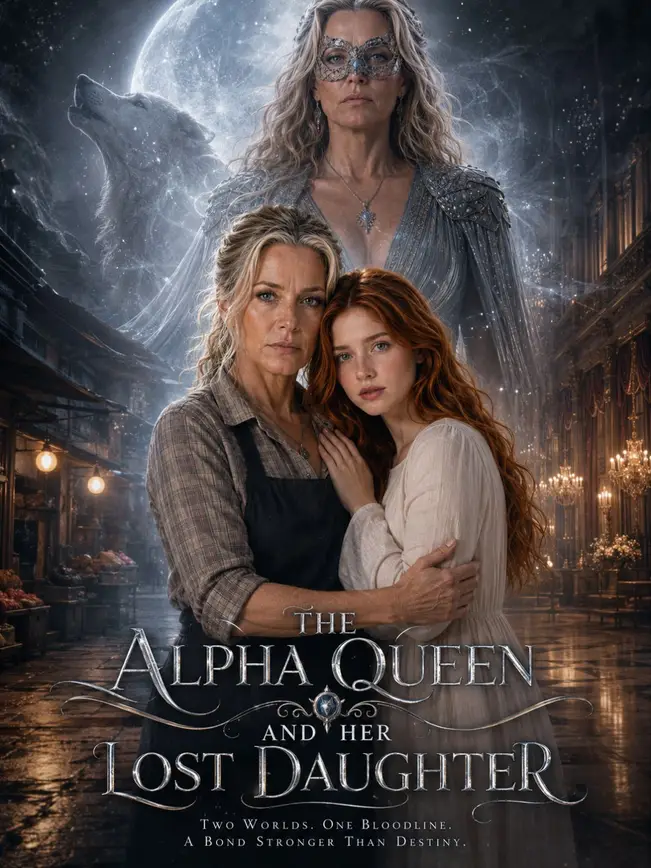


The Goddess Just Shut Down the Whole Tribe
Watching the Moon Goddess Returns, I felt my jaw drop when she confronted Mrs. Bart. The way she stood there, glowing with power while everyone else trembled, was pure cinematic gold. Chloe's pain was palpable, and the goddess didn't just defend her—she dismantled the entire system of abuse. That moment when she said dignity can't be stolen? Chills. Absolute chills.
Mrs. Bart's Panic Was So Satisfying
In The Moon Goddess Returns, seeing Mrs. Bart go from arrogant to terrified in seconds was everything. She spent years belittling Chloe, calling her useless, and then one glare from the goddess and she's begging for mercy. The shift in power dynamics was perfectly executed. You could see the fear in her eyes when she realized she'd messed with divine grace. Karma served cold.
Chloe Deserved This Moment Ten Times Over
The emotional weight in The Moon Goddess Returns hit hard. Chloe, treated like trash by her own tribe, finally had someone stand up for her. The goddess didn't just speak—she commanded respect. When she demanded Daisy apologize and return the amulet, it felt like justice for every overlooked person. That scene where Chloe's face lit up with hope? I'm not crying, you're crying.
The Visuals Alone Are Worth the Watch
The Moon Goddess Returns delivers stunning visuals. The goddess's entrance, surrounded by ethereal light, contrasted sharply with the dark, rustic cabin. Her flowing gown and intricate jewelry screamed divinity, while Mrs. Bart's rough clothes emphasized her earthly cruelty. Every frame felt painted. The special effects weren't overdone—they enhanced the story's emotional core beautifully.
That Ultimatum Was Pure Power
When the goddess gave Mrs. Bart one chance before sunrise, the tension was unbearable. In The Moon Goddess Returns, this wasn't just a threat—it was a promise. The way she listed the conditions: confess, kneel, apologize, return the amulet. Each demand was a nail in the coffin of injustice. Mrs. Bart's face going white? That's the look of someone who knows they're finished.
The Theme of Stolen Grace Hit Deep
The Moon Goddess Returns explores how stolen dignity destroys both thief and victim. Mrs. Bart tried to profit from Daisy's supposed nobility while crushing Chloe. The goddess's warning that stolen grace burns to ashes wasn't just poetic—it was prophetic. This short film understands that true power comes from integrity, not exploitation. A masterclass in moral storytelling.
Daisy's Silence Spoke Volumes
In The Moon Goddess Returns, Daisy barely spoke, but her presence was heavy. Standing behind the goddess, eyes downcast, she represented all those complicit in injustice through silence. The contrast between her and Chloe—one privileged by false nobility, the other oppressed by truth—was brilliant. Sometimes the quietest characters carry the loudest messages.
The Goddess's Voice Was a Weapon
Every word the goddess spoke in The Moon Goddess Returns cut like a blade. She didn't shout; she didn't need to. Her calm authority was more terrifying than any scream. When she asked if they planned to suck Chloe dry and kick her out, the sarcasm was lethal. Mrs. Bart's panic wasn't from anger—it was from being seen through completely. Brilliant acting.
This Short Film Understands Abuse Dynamics
The Moon Goddess Returns nails how abusers justify cruelty. Mrs. Bart claimed her family raised Chloe for ten years, as if that gave her ownership. She called Chloe useless while planning to exploit Daisy. The goddess exposed this hypocrisy perfectly. Real abuse isn't just physical—it's systemic, emotional, and often disguised as care. This film gets it.
The Ending Setup Has Me Hooked
The Moon Goddess Returns ends on a cliffhanger that has me desperate for more. Will Daisy confess? Will Mrs. Bart comply or rebel? The goddess's ultimatum sets up explosive tension. I love how it doesn't resolve everything—it trusts the audience to sit with uncertainty. That's bold storytelling. Already rewatching to catch details I missed. This is peak short-form drama.
Ep Review
More