




The King Is My Second Husband


.jpg~tplv-vod-rs:651:868.webp)


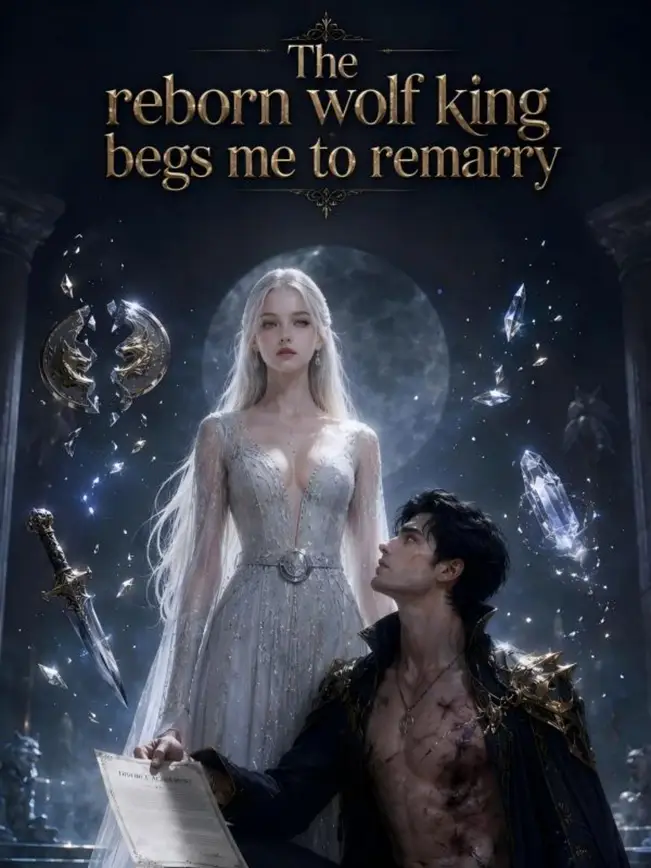


.jpg~tplv-vod-rs:651:868.webp)



The King Is My Second Husband delivers epic battle vibes
From the first frame, The King Is My Second Husband pulls you into a world of clashing steel and emotional stakes. The hero's glowing sword isn't just cool—it symbolizes hope in chaos. Watching him leap from the tower gave me chills. Mia's transformation from observer to warrior? Chef's kiss. Every frame feels like a painting dipped in moonlight and blood.
Mia's arc hits harder than any battle scene
In The King Is My Second Husband, Mia doesn't just watch the war—she claims it. Her speech atop the battlements? Pure fire. She sheds her cloak like armor and raises that ornate blade with trembling hands turned steady. It's not about strength—it's about choice. And when she shouts 'The Embers Pack never hides,' I stood up cheering. This show gets heart.
That one strike split more than wood—it split expectations
When the hero cleaves the Black-iron Battering Ram in The King Is My Second Husband, it's not just spectacle—it's statement. He was called weak? Slow? Now he stands amid fallen foes, blue blade humming, cape fluttering like a banner of defiance. The camera lingers on his eyes—glowing, determined. You don't just watch this moment. You feel it in your bones.
Romance? War? Try both with extra drama
The King Is My Second Husband doesn't pick lanes—it smashes them together. One minute, tender hand-holding on the ramparts; next, arrows flying and swords clashing under storm clouds. Mia grabbing his arm, whispering 'It's suicide!' while he smiles softly? That's the good stuff. Their chemistry crackles even louder than his magic blade. Bring popcorn. And tissues.
Villain energy so strong it made me hiss at my screen
That curly-haired commander screaming 'What the hell are you standing there for?' in The King Is My Second Husband? Pure villainous perfection. Red eyes, snarling voice, chainmail dripping with menace—he's not just evil, he's theatrical. When he orders the attack, you believe armies would tremble. Hate him? Good. That means the writers did their job. Bravo.
Cinematography so dark, you'll need subtitles for shadows
The King Is My Second Husband paints every scene in moody grays and flickering torchlight. Moonlight cuts through smoke like a spotlight on destiny. Even the mud looks cinematic. When the hero lands after his leap, dust explodes in slow motion—every particle lit by silver glow. It's not just a battle; it's a ballet of destruction. Visually stunning, emotionally raw.
Mia's sword grab = mic drop moment of the season
In The King Is My Second Husband, Mia doesn't ask permission—she takes the sword. Ornate hilt, glowing gems, heavy with legacy—and she lifts it like it was forged for her. Someone yells 'You can't go out there!' She ignores them. That's not recklessness—that's revelation. Her black gown sparkles like armor. She's not waiting anymore. She's leading. Iconic.
Battle choreography that makes your pulse skip beats
The King Is My Second Husband doesn't do fake sword swings. Every clash echoes. Every dodge feels earned. When the hero spins through enemies, blue blade carving arcs of light, it's poetry in motion. Arrows fly in synchronized volleys. Shields shatter realistically. Even the background soldiers react with panic or awe. This isn't CGI overload—it's crafted chaos. Respect.
Trust me' said with eyes that held galaxies
That quiet moment between Mia and the hero in The King Is My Second Husband? He says 'Trust me'—no grand speech, no music swell. Just wind, stone, and two souls staring into each other's fears. His gaze drops, then lifts—soft, sure. She grips his gauntlet like it's her last anchor. No kiss needed. That look? That's the real climax. Emotional warfare at its finest.
Final shot gave me goosebumps and a standing ovation
Mia raising her sword skyward in The King Is My Second Husband as lightning cracks behind her? Chills. Absolute chills. Her voice rings clear: 'The Embers Pack never surrenders merely for survival!' Not for glory. Not for revenge. For survival. For family. For legacy. The sun bursts through clouds like divine approval. End scene. I'm still shaking. Masterpiece.
Ep Review
More