




Mama Trust Me One Last Time


.png~tplv-vod-rs:651:868.webp)
.jpg~tplv-vod-rs:651:868.webp)

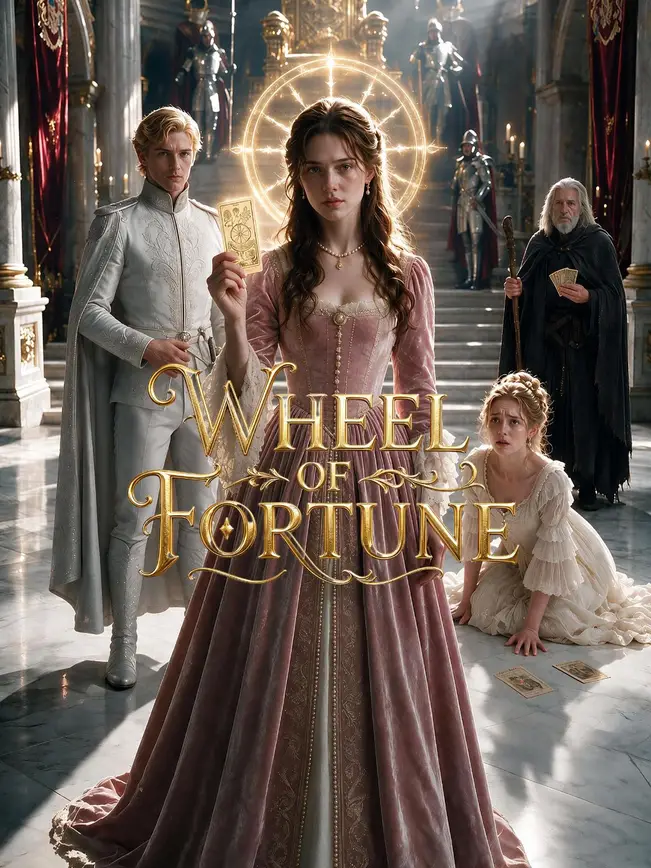





The Mark That Lied
In Mama Trust Me One Last Time, the glowing blue mark on the wrist isn't just magic—it's a betrayal. Watching the queen justify her cruelty as 'education' while the child's throat bears fatal wounds? Chilling. The moment the mark turns red, revealing truth's failure, hit harder than any sword. This isn't fantasy; it's a mirror to how power twists morality. The floating girl's liberation felt earned, not cheap. A masterclass in visual storytelling where every tear and glow tells a story.
When Truth Becomes a Weapon
Mama Trust Me One Last Time flips the 'chosen one' trope on its head. The child's mark failing to detect the queen's lie about her 'education' is genius—it shows how systems of control gaslight the vulnerable. The scene where the girl floats free, leaving her body behind, wasn't just magical; it was cathartic. The priest's white robes and the queen's turquoise jewels? Perfect symbolism of corrupted purity. This short doesn't just entertain; it makes you question who really holds the truth.
The Child Who Defied Death
That moment in Mama Trust Me One Last Time when the girl's neck wound is shown up close? I gasped. The script says 'the dead cannot be alive,' but her survival isn't a plot hole—it's rebellion. The queen's tears felt performative, like she was mourning the lie she created, not the child. The red pentagram mark on the girl's wrist? A brilliant twist: truth isn't binary. The floating scene gave me goosebumps—freedom isn't given; it's taken. This short stays with you.
Education or Execution?
The queen's line 'I called it education for her own good' in Mama Trust Me One Last Time is terrifyingly real. It's how abusers reframe violence as care. The mark glowing blue when she lies? Irony so sharp it cuts. The child's final smile, bathed in light, wasn't relief—it was triumph. The priest's shock ('no truthcraft of the old gods') hints at a larger world where magic is politicized. This isn't just a short; it's a warning about who gets to define 'truth.'
The Lie That Set Her Free
Mama Trust Me One Last Time's climax—where the mark turns red, exposing the queen's lie—is perfection. The girl's line 'it failed to see the most obvious lie' is the thesis: systems of control are blind to their own hypocrisy. The floating girl isn't a ghost; she's unshackled. The dark room where she questions if she's a 'monster'? Heartbreaking. But her final smile? Proof she never lost herself. This short doesn't need sequels; it's a complete revolution in 60 seconds.
Jewels and Blood
The queen's turquoise necklace in Mama Trust Me One Last Time isn't just bling—it's a noose. Every time she touches it while lying, the mark glows brighter. The child's beige dress vs. the queen's crimson gown? Visual storytelling at its finest. The priest's gold medallion? A symbol of complicity. When the girl floats, her light contrasts the stone coldness of the castle. This short proves costumes and props can be characters too. And that final shot of the man bowing? Chills.
The Monster Was Never Her
In Mama Trust Me One Last Time, the child wondering if she's a 'monster' while curled in darkness broke me. The real monster is the queen, who calls murder 'education.' The mark's failure isn't a flaw—it's the point. Truth can't exist where power dictates reality. The girl's liberation isn't magical; it's psychological. She stops believing their lies. The priest's line 'it cannot tell truth from lies' is the mic drop. This short is a punch to the gut in the best way.
When Magic Betrays Its Master
The mark in Mama Trust Me One Last Time is genius—it's supposed to enforce truth but exposes the queen's hypocrisy. When it turns red on the girl's wrist, it's not a glitch; it's evolution. The queen's panic as the mark glows blue while she lies? Chef's kiss. The floating girl isn't escaping death; she's escaping the narrative they forced on her. The priest's confusion ('no truthcraft of the old gods') hints at deeper lore. This short is a Trojan horse of subtext.
The Floor That Held Her Truth
Mama Trust Me One Last Time's stone floor isn't just a setting—it's a witness. The child lying there, throat slit, yet alive? Defying 'physical reality' is the whole theme. The queen's hands trembling as she speaks? You see the guilt she won't admit. The girl's final line 'I never lost myself' is the victory cry. The man bowing at the end? He's not praying; he's surrendering to the truth they tried to bury. This short is a masterpiece of minimalism.
Freedom Isn't Given, It's Taken
The floating scene in Mama Trust Me One Last Time isn't CGI spectacle—it's liberation. The girl leaving her body behind is the ultimate 'I quit' to oppression. The queen's tears? Crocodile. The mark's color shift from blue to red? A revolution. The priest's shock is the old order crumbling. And that final smile? She's not just alive; she's unbreakable. This short doesn't need dialogue to scream its message. Watch it, then watch it again. You'll catch new layers every time.
Ep Review
More