



The Rise of the Kirin Emperor


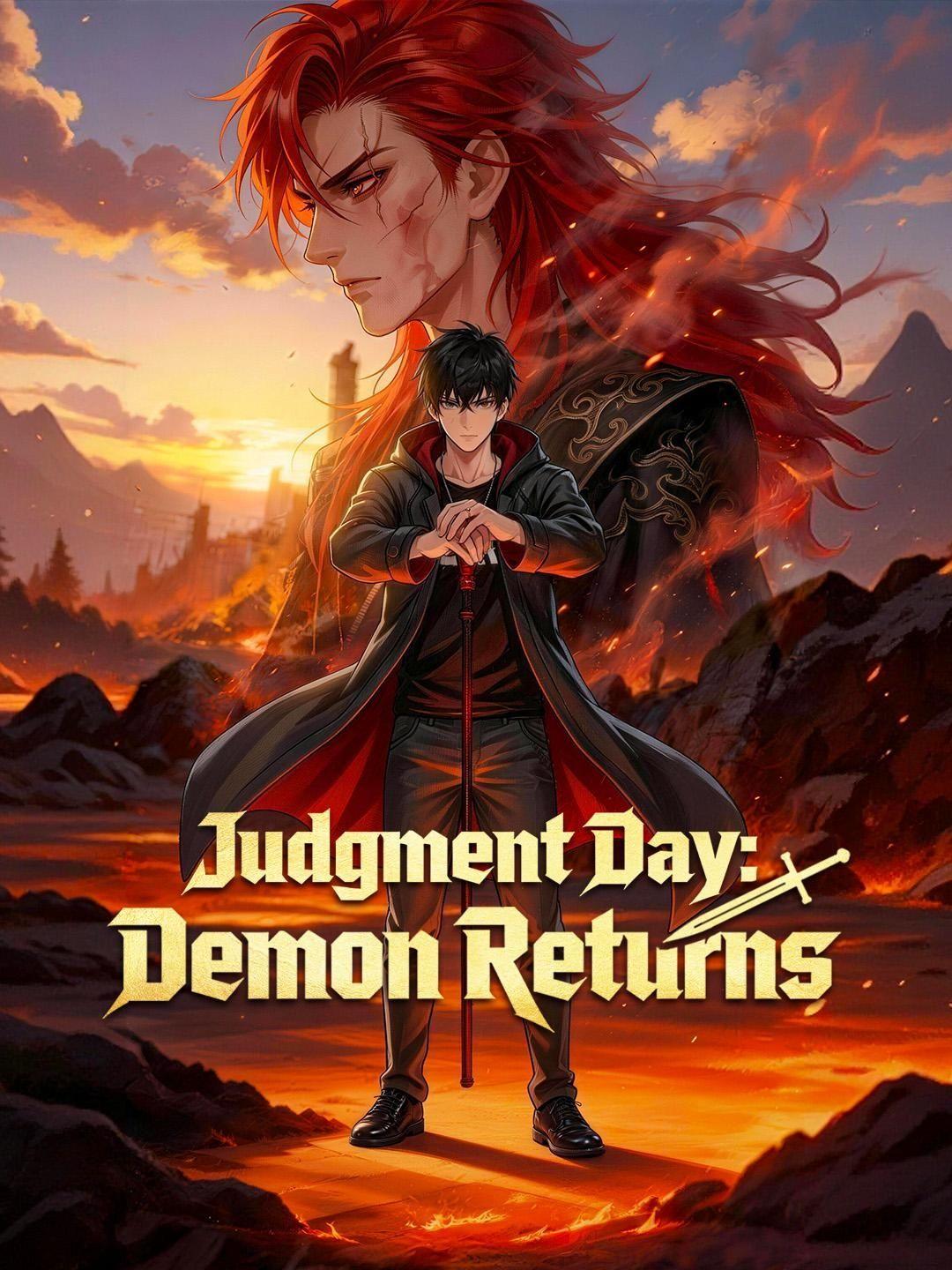
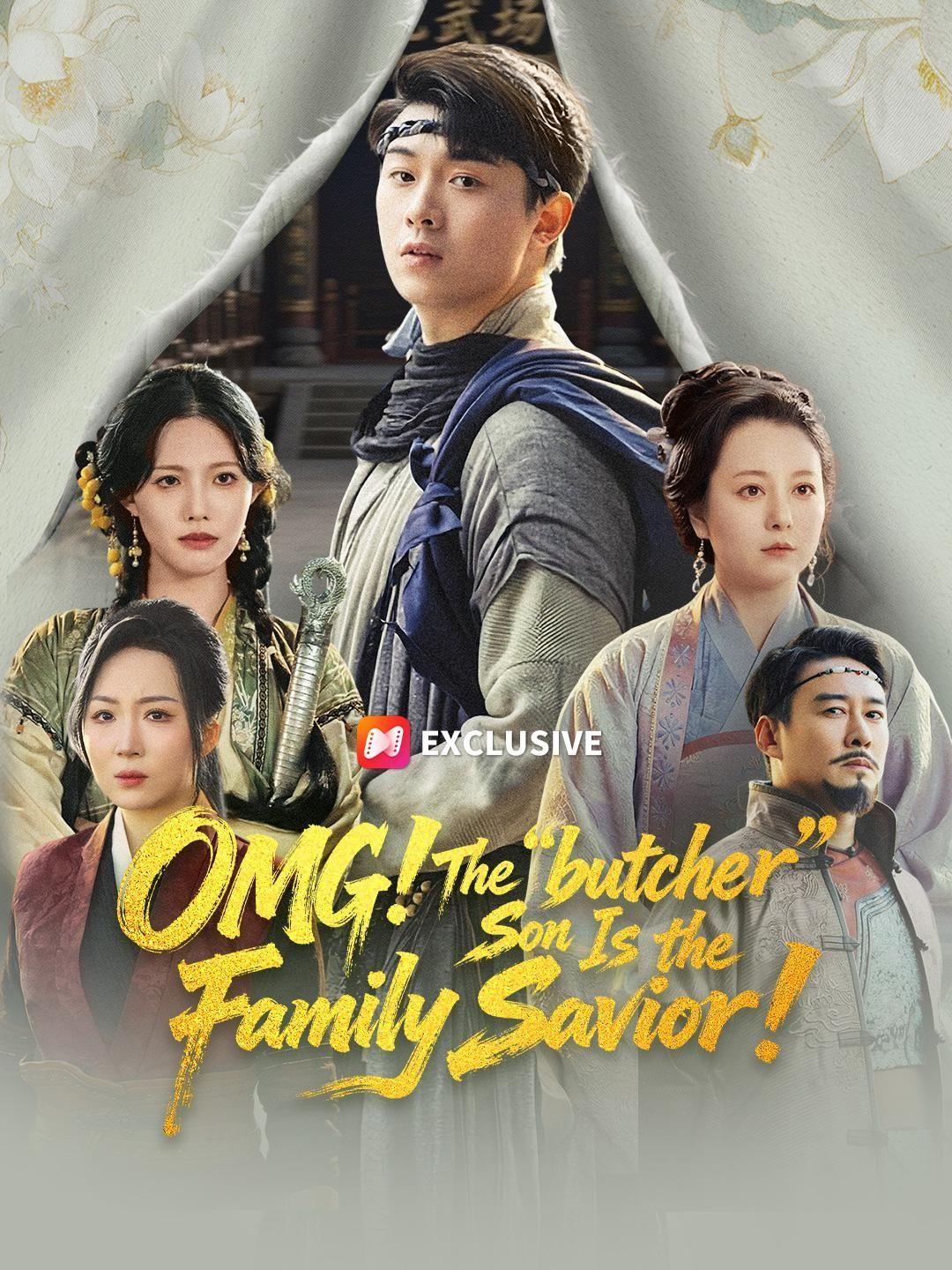
Silence Before the Storm
Kirin Eyes masters pacing. The long pauses, the exchanged glances, the slow draw of the sword—it all builds to that explosive golden flare. The elders' body language tells more than words ever could. One stands firm, one pleads, one accepts. Three reactions, one truth: the era has changed. Masterclass in visual tension.
Not All Heroes Wear Capes
Suit, sword, and zero apologies. Kirin Eyes flips the hero archetype. No cape, no mask—just tailored black and unshakable resolve. The way he handles the sword like it's an extension of his will? Chilling. The elders aren't villains—they're relics. And relics get replaced. Stylish, symbolic, and deeply satisfying.
When Elders Become Audience
Watch how Kirin Eyes flips the script—the wise old master isn't guiding anymore, he's witnessing. His smile at the end? Not pride, but relief. The torch has passed. The protagonist doesn't gloat; he simply assumes his place. That's maturity masked as rebellion. Short form drama with Shakespearean weight.
Golden Light, Dark Suits
Kirin Eyes uses color like a painter. Black suits against gray skies, then—BAM—golden sword, golden eyes, golden destiny. The contrast isn't accidental; it's thematic. Light doesn't come from heaven—it comes from within. The rooftop becomes a stage, and the protagonist? He's the only actor who matters. Visually stunning.
When Tradition Meets Rebellion
Kirin Eyes nails the generational clash. The elder in gray robes tries to reason, but the suit-clad hero? He's done listening. That ring glow-up scene? Iconic. It's not just about winning—it's about rewriting rules. The rooftop setting adds cinematic gravity. Short form storytelling at its finest.
