



Secrets from the Past


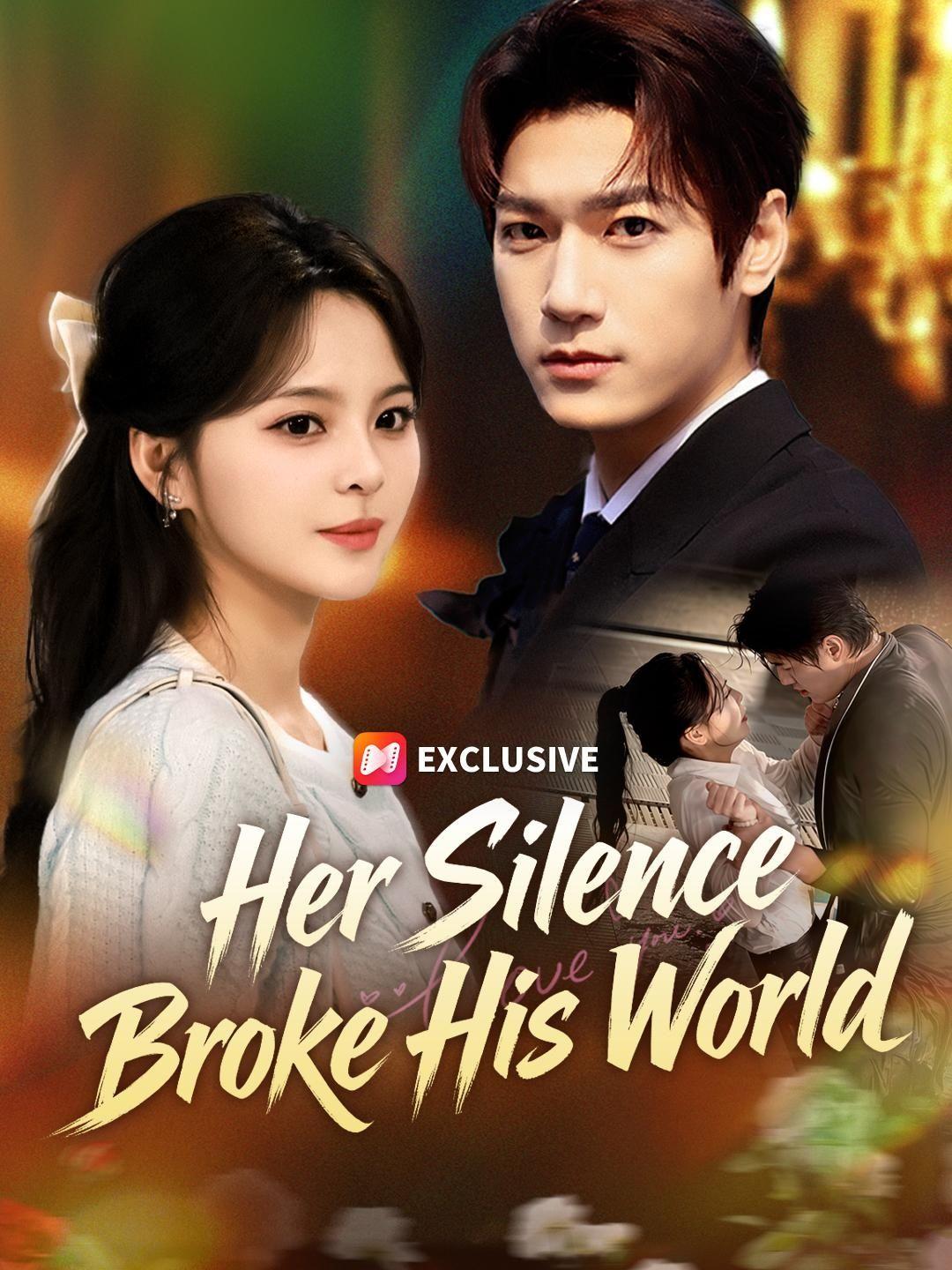
Written By Stars: How a Single Night Unraveled the Harris Family’s Perfect Facade
Let’s talk about the Harris family—not the glossy version they present to the world, but the one that lives in the shadows of hospital rooms, whispered conversations, and the kind of silence that screams louder than any argument. Because what unfolds on that riverside walkway isn’t just a lovers’ quarrel. It’s an autopsy of a dynasty built on sacrifice, secrecy, and the quiet erosion of truth. Steven isn’t just a man with a complicated past. He’s a walking archive of inherited pain—his mother’s depression, his aunt’s near-fatal crisis, the college exam he abandoned not out of laziness, but out of a loyalty so absolute it bordered on self-annihilation. And Wendy? She’s the outsider who walked into this carefully curated tragedy thinking she was joining a legacy. Instead, she’s becoming its reluctant archivist. Written By Stars masterfully layers the emotional reveal like sediment in a riverbed: each line of dialogue uncovers another stratum of history, darker and denser than the last. When the older woman—Steven’s mother, we assume—says, ‘We couldn’t give him much love. Instead, we only brought him burdens,’ it’s not self-pity. It’s confession. A mother admitting she failed her son not through cruelty, but through exhaustion. Through survival. That line lands like a stone in still water, rippling outward to reshape everything we thought we knew about Steven’s stoicism, his distance, his refusal to talk about his past. He wasn’t being cold. He was protecting them—from his pain, from their guilt, from the terrifying vulnerability of letting someone *see* him. And Wendy, bless her, thought she understood. She thought his protectiveness was chivalry. She didn’t realize it was armor. The brilliance of this sequence lies in how it weaponizes setting: the night, the river, the distant city lights—all of it conspires to make the truth feel inevitable. There’s no escape here. No cutting the conversation short. Just two people, suspended between past and future, with the weight of generations pressing down on their shoulders. When Steven says, ‘Mrs. Harris deliberately sent someone to the school to inform him,’ it’s not just plot exposition. It’s the moment the mask slips completely. The Harris family doesn’t just hide pain—they *orchestrate* it. They manipulate timelines, suppress crises, and rewrite narratives to preserve appearances. And Steven? He’s the only one who refused to play along—not by rebelling, but by disappearing. Studying abroad wasn’t ambition. It was exile. A self-imposed banishment to keep the people he loved from drowning in the same despair that nearly took his aunt. Written By Stars doesn’t vilify the Harrises. It humanizes them—flawed, frightened, doing their best with broken tools. But it also refuses to let Wendy off the hook. Her realization—‘I really don’t understand him at all’—isn’t weakness. It’s honesty. For the first time, she stops projecting her hopes onto him and starts seeing him as he is: a man shaped by trauma, not defined by it. And that’s where the real shift happens. When she says, ‘I also want to protect him, and take care of him,’ it’s not codependency. It’s reciprocity. She’s not asking to be saved. She’s offering to stand beside him—not as his savior, but as his equal. The film’s genius is in how it redefines power. In most dramas, the ‘strong’ character is the one who controls the narrative. Here, the strongest person is the one willing to *release* it. Steven gives up his title, his position, his carefully constructed identity—not because he’s weak, but because he trusts Wendy enough to let her see the cracks. And Wendy? She doesn’t run. She stays. She listens. She *wants* to know. That’s the quiet revolution Written By Stars is staging: love isn’t about fixing someone. It’s about witnessing them. Fully. Without flinching. The final exchange—‘If he really wanted to stay away, he wouldn’t have come back’—isn’t just about Steven. It’s about Wendy’s growth. She’s no longer the girl who assumed the worst. She’s the woman who dares to believe the best, even when the evidence is messy, painful, and deeply human. The river flows on, indifferent. The city lights flicker, oblivious. But on that bridge, something irreversible has changed. The Harris family’s facade is cracked. And from that fracture, something new—not perfect, not easy, but *real*—is beginning to grow. Written By Stars doesn’t promise happy endings. It promises honest ones. And sometimes, that’s far more radical.
Written By Stars: The Night River Confession That Shattered Wendy’s Illusion
There’s a quiet devastation in the way Wendy stands by the railing—her white dress catching the city’s neon glow like a ghost caught between two worlds. She isn’t just waiting; she’s *processing*. Every breath she takes feels heavier than the last, as if the river below isn’t just water but the weight of everything she’s been too polite to name. The night air hums with unspoken truths, and when Steven’s voice finally cuts through the silence—‘Wendy’—it doesn’t feel like a greeting. It feels like an indictment. Or maybe a plea. Written By Stars knows how to stage these emotional detonations: not with shouting or melodrama, but with the unbearable tension of someone who’s spent years smiling while their heart quietly cracked open. Wendy’s earrings—a delicate heart-shaped stud—glint under the streetlights, a tiny irony: love shaped like devotion, worn by someone who’s just realized she’s been loving a mystery. And that’s the real tragedy here: she didn’t fall for Steven’s charm. She fell for the *idea* of him—the boy who protected her, the man who chose her over his own future. But what if protection is just another word for control? What if loyalty is just fear wearing a kind face? The film doesn’t answer those questions outright. It lets them linger, like cigarette smoke in a dim bar, clinging to the back of your throat long after the scene ends. When she says, ‘I didn’t notice at all,’ it’s not ignorance—it’s surrender. She *chose* not to see, because seeing meant admitting that the man she trusted most had built his entire identity on a foundation of silence. And now, standing on this bridge—literally and metaphorically—she’s forced to confront the chasm between who he is and who she thought he was. Written By Stars excels at these liminal spaces: the pause before the storm, the exhale after the confession, the moment when a character realizes they’ve been living inside someone else’s narrative. Wendy’s journey isn’t about running away. It’s about learning how to stand still long enough to hear her own voice again. The city lights blur behind her—not because she’s crying (though her eyes glisten), but because the world has shifted. Perspective is everything. And tonight, on this riverside promenade, Wendy finally sees clearly: Steven didn’t fail the college entrance exam because he wasn’t smart. He failed it because he loved someone more than he loved himself—and that love came with strings so fine, they were invisible until they cut deep. The revelation about Auntie’s depression, the deliberate lie from Mrs. Harris, the way Steven gave up his future not out of weakness but out of desperate, self-sacrificing love—it all folds into a single, devastating truth: he never wanted to leave. He wanted to *erase* himself so she could survive. And Wendy? She’s realizing that loving him means accepting not just his strength, but his wounds. His secrets aren’t betrayals—they’re scars he’s been too afraid to show her. That’s why she hesitates when he reaches for her hand. Not because she doesn’t trust him. Because she’s terrified of how much she still wants to. Written By Stars doesn’t romanticize trauma. It dissects it with surgical precision, showing how love can become a cage when built on unspoken pain. The bridge isn’t just a location—it’s a symbol. One side: the life she knew. The other: the truth she must now carry. And in the middle? Wendy, trembling, holding onto the railing like it’s the only thing keeping her from falling into the current of her own realization. She says, ‘I don’t want to always be protected by him.’ That line isn’t rejection. It’s evolution. She’s not asking to be left alone. She’s demanding equality. Partnership. A love where both people get to be broken *and* whole, without one having to vanish for the other to shine. Steven’s confession—that he’s older, that he willingly stepped aside, that he respects her enough to let her lead—isn’t a grand gesture. It’s a quiet revolution. And when Wendy finally smiles—not the polite smile she wears for boardrooms or family dinners, but the raw, tear-streaked smile of someone who’s just found her footing again—that’s the moment the film earns its weight. Written By Stars understands that the most powerful scenes aren’t the ones where characters shout their pain. They’re the ones where they whisper it, and the silence afterward speaks louder than any dialogue ever could. This isn’t just a love story. It’s a reckoning. And Wendy? She’s no longer the girl who borrowed a phone to send a message. She’s the woman who’s finally ready to write her own.
When Protection Becomes a Prison
Steven gave up his future for Auntie… then came back for Wendy. But here’s the twist: his ‘protection’ is suffocating her autonomy. She doesn’t want to be saved—she wants to *choose*. That bridge scene? Not romance—it’s rebellion. Written By Stars nails how love can feel like a cage when built on sacrifice, not equality. 🔓✨
The Weight of Silence in Written By Stars
That hospital scene—tears, regret, and a mother’s raw confession—hit harder than the night river’s chill. Wendy’s quiet grief versus Steven’s buried trauma? Pure emotional warfare. The way she realizes he loved her *before* she noticed? Oof. 🌊💔 Written By Stars doesn’t just tell love stories—it dissects how silence becomes the loudest language.