




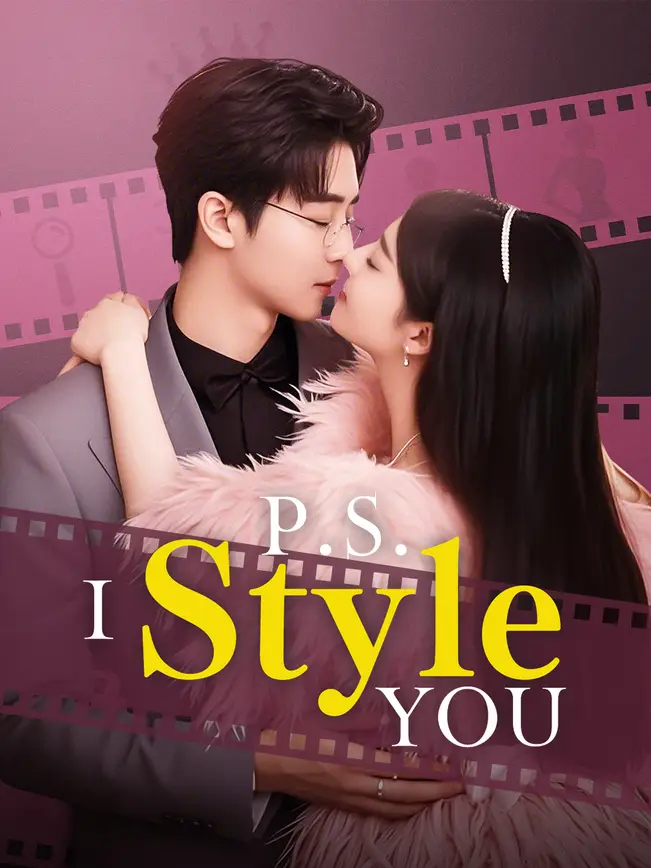
P.S. I Style You Storyline
P.S. I Style You More details
Genres:Karma Payback/Underdog Rise/Sweet Romance
Language:English
Release date:2025-04-16 16:02:29
Runtime:144min
Fashion meets fate ✨
Chloe’s journey is a stylish fairytale! The emotions, the clothes, the chemistry—everything just clicks. A total gem on NetShort 💖
Unexpectedly hooked
Didn’t expect to binge it, but here I am—emotionally attached and loving the soft romance 🥹💕
A slow burn worth your heart
The pacing is chill, but when it hits, it hits deep. The characters feel real, and Chloe shines. 🔥
Visually dreamy and heartfelt
Gorgeous styling + a second-chance story? YES. Totally rewatchable and aesthetically A++ 💅👗
P.S. I Style You The Cliffhanger That Keeps Us Guessing
The video clip ends on a perfect cliffhanger, a moment of unresolved tension that leaves the audience desperate for more. The woman in black has been defeated, her authority challenged and undermined. She turns away, her back stiff, her pride wounded. But the conflict is not over. The 'To Be Continued' text appears, promising that this is just the beginning. In dramas like <span style="color:red">Love After Divorce</span>, cliffhangers are essential. They keep the audience hooked, eager to see what happens next. This particular cliffhanger is effective because it leaves so many questions unanswered. What will the woman in black do next? Will she try to retaliate? Will she try to win back her status? Or will she crumble under the pressure? The woman in pink has established her presence, but she has not yet revealed her full hand. What is her goal? What is her history with the young man in the grey suit? These questions linger in the air, creating a sense of anticipation. The woman in the brown suit has acted as a protector, but how long can she maintain this role? Will she be able to keep the woman in black at bay? Or will the conflict escalate? The setting of the lounge, with its luxurious decor, seems to mock the turmoil of the characters. It is a place of beauty and refinement, but it is also a place of conflict and betrayal. The contrast between the setting and the action adds to the drama, highlighting the fragility of the social order. P.S. I Style You the pacing of the scene, which builds slowly and then ends abruptly. This structure creates a sense of suspense, leaving the audience on the edge of their seats. The final shot of the woman in black walking away is powerful, a visual representation of her defeat. But it is also a setup for her return. We know she will not go quietly. She will plot and scheme, and the next episode will likely be even more intense. The young men are also left in a state of uncertainty. The man in the striped jacket is confused, unsure of where he stands. The man in the grey suit is intrigued, ready to make a move. Their roles in the next episode will be crucial, as they may hold the key to the resolution of the conflict. The woman in pink remains the wildcard. Her silence in this episode was powerful, but will she speak in the next? What secrets does she hold? The anticipation of her voice is a powerful hook. P.S. I Style You the emotional resonance of the cliffhanger. It is not just about plot; it is about feelings. We feel for the woman in black, despite her flaws. We see her pain and her desperation. We also feel for the woman in pink, admiring her strength and her courage. These emotional connections make us care about the outcome, making the cliffhanger even more effective. The 'To Be Continued' text is not just a label; it is a promise. It promises more drama, more conflict, and more resolution. It promises that the story will continue, that the characters will evolve. This is the essence of good storytelling, the ability to keep the audience engaged and invested. The video clip is a masterclass in building tension and delivering a satisfying cliffhanger. It is a testament to the skill of the writers and directors, who know exactly how to manipulate the audience's emotions. They have created a world that is rich and complex, a world that we want to explore further. The cliffhanger is the bait, and we are the fish, hooked and ready for the next episode. P.S. I Style You the way the music likely swells at the end, underscoring the drama and the emotion. The audio-visual combination creates a powerful impact, leaving a lasting impression. This is the kind of content that defines a series, the moments that fans talk about and analyze. It is a high point in the narrative, a turning point that changes everything. And we cannot wait to see what comes next.
P.S. I Style You The Judgmental Gaze Of The Woman In Black
The video opens with a scene that is rich in subtext, centered around the woman in the black dress. She is the anchor of the initial frames, her presence dominating the lounge with an air of superiority. Her arms are crossed, a defensive yet authoritative stance that suggests she is the gatekeeper of this social circle. Her expression is one of critical assessment, her eyes scanning the room with a look that says she finds everything lacking. This character embodies the archetype of the matriarch or the social queen bee, a role often seen in dramas like <span style="color:red">Love After Divorce</span>. She is waiting, and her impatience is evident in the tapping of her foot and the slight frown on her lips. The camera then shifts to the other guests, a young couple engaged in light conversation. They are oblivious to the tension, or perhaps they are simply trying to ignore it. The man in the striped jacket is animated, gesturing with his wine glass, while the woman in the white dress listens with a polite smile. They represent the normalcy of the party, the background noise against which the main drama will play out. But the woman in black is not interested in normalcy. She is waiting for a disruption, and soon enough, it arrives. The descent of the woman in the brown suit and the woman in the pink gown changes everything. The woman in black's reaction is immediate and visceral. Her eyes widen, her lips part slightly, and her crossed arms tighten. She is shocked, perhaps even threatened, by the arrival of these two. The woman in the brown suit exudes a quiet confidence, her polka-dot outfit suggesting a blend of tradition and modernity. She walks with purpose, her gaze fixed ahead, ignoring the whispers of the crowd. Beside her, the woman in the pink gown is a vision of glamour. Her dress is a statement piece, bold and unapologetic. She does not look at the other guests; her focus is entirely on the destination. This entrance is a power move, a clear challenge to the status quo represented by the woman in black. In <span style="color:red">The CEO's Secret Lover</span>, such entrances are often the catalyst for major plot twists, and this scene is no exception. As the newcomers reach the bottom of the stairs, the woman in black finally breaks her stance. She steps forward, her movement stiff and unnatural. She is trying to maintain her composure, but her body language betrays her unease. She addresses the woman in the brown suit, her words likely a mix of greeting and interrogation. The woman in the brown suit responds with a calm smile, her demeanor unshakable. She is in control, and she knows it. The woman in pink stands beside her, silent and enigmatic. Her silence is a weapon, forcing the woman in black to reveal her own insecurities. The young man in the grey suit, who was previously seated, now stands up. His attention is fully captured by the woman in pink. There is a recognition in his eyes, a hint of a past connection. This adds a romantic subplot to the social drama, suggesting that the woman in pink is not just a stranger but someone with a history in this circle. The interaction between the three women is a masterclass in tension. The woman in black tries to assert her dominance, but she is met with a wall of calm indifference. The woman in the brown suit acts as a shield, deflecting the woman in black's attacks with polite but firm responses. The woman in pink remains the focal point, her presence alone enough to unsettle the room. P.S. I Style You the use of depth of field in this scene, which keeps the focus on the main characters while blurring the background. This technique isolates the conflict, making it feel more intimate and intense. The lighting also plays a crucial role, with the woman in black often cast in shadow, highlighting her negative emotions. In contrast, the woman in pink is illuminated, symbolizing her role as the truth-teller or the disruptor. As the scene progresses, the woman in black's frustration becomes more apparent. Her gestures become more erratic, her voice likely rising in pitch. She is losing the battle for control, and she knows it. The woman in the brown suit maintains her composure, her slight smile suggesting she is enjoying the spectacle. The woman in pink finally breaks her silence, perhaps with a single sentence that cuts through the noise. Her voice is likely calm and clear, delivering a blow that leaves the woman in black speechless. The scene ends with the woman in black turning away, her defeat evident. The 'To Be Continued' text leaves us wondering what will happen next. Will she try to regain her status? Will the woman in pink reveal more of her past? The questions are endless, keeping the audience engaged. P.S. I Style You the costume design, which uses color and texture to define character. The black dress represents rigidity and control, while the pink gown represents freedom and chaos. The brown suit represents balance and strategy. These visual cues help the audience understand the characters without needing explicit exposition. This is a scene that rewards close observation, offering layers of meaning for those willing to look.
P.S. I Style You The Mystery Of The Woman In Pink
The woman in the pink gown is the enigma of this video clip, a character who captivates the audience with her silence and her style. She says nothing, yet she says everything. Her entrance down the staircase is a moment of pure cinema, a visual spectacle that draws the eye and holds it. The gown she wears is a masterpiece of design, shimmering and flowing, creating an aura of magic around her. It is a dress that demands attention, and she wears it with a confidence that is both intimidating and alluring. In the context of <span style="color:red">Love After Divorce</span>, such a character is often the catalyst for change, the one who disrupts the status quo and forces everyone to reevaluate their positions. She is the unknown variable, the one who cannot be predicted or controlled. The woman in the black dress tries to analyze her, to categorize her, but she fails. The woman in pink is beyond categorization. She is a force of nature, a storm that cannot be contained. The woman in the brown suit acts as her shield, her voice protecting her from the attacks of the woman in black. But the woman in pink does not need protection. She is strong, resilient, and unafraid. Her silence is a shield in itself, deflecting the words of the woman in black and rendering them powerless. In <span style="color:red">The CEO's Secret Lover</span>, silence is often a sign of strength, and this character embodies that perfectly. She does not need to speak to be heard; her presence is enough. The young man in the grey suit is drawn to her, his eyes following her every move. There is a connection there, a history that is hinted at but not fully revealed. This adds a layer of romantic mystery to her character, making her even more intriguing. Is she a lost love? A secret enemy? The possibilities are endless. The setting of the lounge, with its bright lights and reflective surfaces, enhances her image. She shines like a star, outshining everyone else in the room. The other guests are blurred and indistinct, mere background characters in her story. She is the protagonist, the one around whom the narrative revolves. P.S. I Style You the way the camera focuses on her, using close-ups to capture her expressions and wide shots to show her dominance. The camera loves her, treating her like a goddess. This visual treatment reinforces her status as the most important character in the scene. As the scene progresses, the woman in black becomes more and more frustrated. She tries to provoke the woman in pink, to get a reaction, but she fails. The woman in pink remains calm, her expression serene. She is untouchable, immune to the petty attacks of the woman in black. This immunity is a sign of her power, her ability to rise above the drama. The woman in brown continues to speak, her words likely defending the woman in pink and asserting their right to be there. But the woman in pink does not need defense. She is capable of defending herself, even in silence. The scene ends with the woman in black defeated, her attempts to undermine the woman in pink having failed. The 'To Be Continued' text leaves us wondering what the woman in pink will do next. Will she speak? Will she reveal her secrets? The anticipation is palpable. P.S. I Style You the character construction of the woman in pink. She is a blank slate, a mirror that reflects the fears and desires of the other characters. The woman in black sees a threat, the young man sees a love interest, and the audience sees a mystery. This versatility makes her a compelling character, one that we want to know more about. She is the heart of the scene, the element that makes it memorable. Her silence is not a lack of content, but a surplus of meaning. It invites the audience to fill in the blanks, to create their own narrative. This is a sophisticated approach to character development, one that respects the intelligence of the audience. It is a testament to the skill of the actress, who conveys so much with so little. She is a star in the making, a character that will be remembered long after the episode ends.
P.S. I Style You The Silent Power Of The Pink Gown
In this captivating scene, the focus is drawn immediately to the woman in the pink gown, a character who commands attention without uttering a single word. Her entrance down the staircase is nothing short of cinematic, a moment that defines the tone of the entire episode. The gown itself is a character, shimmering with a metallic sheen that reflects the ambient light, creating a halo effect around her. It is a bold fashion choice, one that suggests confidence and a lack of fear regarding judgment. In the context of <span style="color:red">Love After Divorce</span>, such a outfit is a declaration of independence, a signal that she is no longer bound by the expectations of others. The woman in the black dress, standing with her arms crossed, serves as a perfect foil to this vibrancy. Her dark attire and rigid posture suggest a personality that is controlled, perhaps even repressed. She watches the descent with a mixture of disdain and anxiety, her eyes narrowing as the woman in pink approaches. This visual contrast sets the stage for a conflict that is both personal and symbolic. The young man in the striped jacket, holding his wine glass, represents the audience within the scene, his reaction mirroring our own. He is captivated, his conversation forgotten as he watches the spectacle unfold. His gaze follows the woman in pink, highlighting her magnetic presence. As the two women meet at the bottom of the stairs, the tension is palpable. The woman in the brown suit, who accompanied the woman in pink, acts as a buffer, her demeanor calm and collected. She speaks with a gentle authority, her words likely bridging the gap between the two opposing forces. The woman in pink remains silent, her expression serene yet unreadable. This silence is a powerful tool, forcing the other characters to fill the void with their own assumptions and insecurities. In <span style="color:red">The CEO's Secret Lover</span>, silence is often used to denote power, and here it is no different. The woman in black tries to engage, her gestures becoming more animated as she attempts to assert her dominance. But the woman in pink simply stands there, a statue of elegance and mystery. The camera work enhances this dynamic, using close-ups to capture the micro-expressions of the woman in black, revealing her frustration and confusion. Meanwhile, wide shots emphasize the isolation of the woman in pink, setting her apart from the rest of the crowd. The background characters, blurred and indistinct, serve to highlight the centrality of this confrontation. The setting, a luxurious lounge with modern decor, adds to the sense of exclusivity and high stakes. Every detail, from the crystal chandeliers to the curated art on the shelves, reinforces the idea that this is a world of wealth and influence. P.S. I Style You the way the lighting is used to sculpt the characters, casting shadows that add depth to their emotions. The woman in black is often in partial shadow, suggesting hidden motives, while the woman in pink is bathed in light, symbolizing transparency and truth. As the scene progresses, the woman in black's composure begins to crack. Her crossed arms drop, and her posture becomes less rigid, indicating a loss of control. The woman in brown continues to speak, her tone soothing but firm, guiding the interaction towards a resolution. The woman in pink finally moves, a slight tilt of her head or a small smile, enough to shift the balance of power completely. It is a subtle performance, but one that speaks volumes about her character's strength and resilience. The young man in the grey suit, who has been observing from the sidelines, finally steps forward. His approach is cautious, his eyes fixed on the woman in pink. There is a history there, a connection that is hinted at but not fully revealed. This adds another layer of intrigue, suggesting that the woman in pink is not just a passive observer but a key player in the unfolding drama. The scene ends with a sense of unresolved tension, the 'To Be Continued' text promising more revelations. The woman in black walks away, her defeat evident in her stride. The woman in pink remains, a beacon of confidence in a room full of uncertainty. P.S. I Style You the narrative pacing, which allows the moment to breathe, giving the audience time to absorb the visual and emotional impact. This is storytelling at its finest, using visual cues and character dynamics to drive the plot forward without relying on excessive dialogue. It is a testament to the skill of the directors and actors, who bring this complex social dance to life with precision and grace.
P.S. I Style You The Fashion As A Narrative Device
Fashion plays a crucial role in this video clip, serving as a visual shorthand for character identity and social status. The woman in the black dress is dressed in a style that is elegant but severe. The high neck and long sleeves suggest modesty and control, while the gold belt adds a touch of wealth. Her outfit is a uniform of authority, designed to command respect. However, in the context of the scene, it also makes her look rigid and outdated. She is the establishment, the old guard trying to hold onto power. In contrast, the woman in the pink gown is a vision of modern glamour. The metallic fabric and the feather details are bold and daring. This is not an outfit for blending in; it is an outfit for standing out. It suggests a character who is confident, perhaps even reckless. In dramas like <span style="color:red">Love After Divorce</span>, such a outfit often signals a character who is breaking free from constraints, who is ready to challenge the status quo. The woman in the brown suit offers a middle ground. Her polka-dot pattern is playful yet sophisticated, and the cut of the suit is tailored and professional. She represents a balance between tradition and modernity, between authority and approachability. She is the bridge between the woman in black and the woman in pink, the mediator who can navigate both worlds. The young man in the striped jacket is dressed in a style that is trendy but slightly chaotic. The stripes are bold, suggesting a personality that is energetic and perhaps a bit unfocused. He is the observer, the one who is caught up in the drama but not fully part of it. The young man in the grey suit is dressed in a sharp, tailored suit that suggests wealth and sophistication. The brooch on his lapel adds a touch of personality, hinting at a creative or artistic side. He is the romantic interest, the one who is drawn to the woman in pink. The setting of the lounge, with its modern decor, complements these fashion choices. The clean lines and neutral colors of the room provide a canvas for the characters to display their styles. The lighting highlights the textures of the fabrics, from the matte finish of the black dress to the shimmer of the pink gown. P.S. I Style You the attention to detail in the accessories. The woman in black's gold necklace and bracelet are heavy and substantial, reinforcing her image of wealth and power. The woman in pink's diamond necklace and earrings are delicate but sparkling, adding to her ethereal quality. The woman in brown's pearl earrings are classic and understated, reflecting her mature and grounded nature. These small details add depth to the characters, helping the audience understand them without needing explicit exposition. As the scene unfolds, the fashion choices become even more significant. The woman in black's rigid outfit seems to restrict her movement, making her look stiff and uncomfortable. The woman in pink's flowing gown allows her to move with grace and fluidity, enhancing her image of freedom and confidence. The woman in brown's suit allows her to move with purpose and authority, reinforcing her role as the leader of the group. The interaction between the characters is influenced by their fashion. The woman in black tries to intimidate the newcomers with her stern appearance, but she is met with the dazzling display of the woman in pink. The woman in brown uses her professional appearance to establish credibility and trust. The young men are drawn to the woman in pink, her glamour acting as a magnet. The scene ends with the woman in black looking defeated, her fashion no longer a source of power but a symbol of her rigidity. The 'To Be Continued' text leaves us wondering how the fashion will evolve in the next episode. Will the woman in black change her style to adapt? Will the woman in pink reveal more of her personality through her clothes? P.S. I Style You the way the costumes tell a story of their own. They are not just clothes; they are extensions of the characters' souls. The black dress represents fear and control, the pink gown represents love and freedom, and the brown suit represents wisdom and balance. These visual cues help the audience connect with the characters on a deeper level. It is a testament to the skill of the costume designers, who have created a visual language that is as rich and complex as the dialogue.
P.S. I Style You The Role Of The Bystanders
While the main focus of this video clip is on the confrontation between the three women, the bystanders play a crucial role in shaping the narrative. The young couple with the wine glasses, the man in the striped jacket and the woman in the white dress, serve as the audience surrogate. They are the ones who react to the drama, their expressions mirroring our own. They are initially engaged in their own conversation, oblivious to the tension in the room. But when the woman in the brown suit and the woman in the pink gown arrive, their attention is captured. They stop talking, their eyes widening in surprise. They are the barometer of the room, their reaction indicating the significance of the event. In dramas like <span style="color:red">Love After Divorce</span>, the reactions of the bystanders are often used to amplify the impact of the main action. If the bystanders are shocked, then the audience knows that something big is happening. The young man in the striped jacket is particularly expressive. He holds his wine glass loosely, his mouth slightly open. He is intrigued, perhaps even a little afraid. He represents the male gaze, the perspective of the men in the room. He is captivated by the woman in pink, his attention fixed on her. This suggests that the woman in pink is not just a threat to the woman in black, but a temptation to the men. She is the femme fatale, the one who disrupts the social order. The woman in the white dress is more reserved, her reaction more subtle. She holds her glass with both hands, her posture slightly defensive. She represents the female gaze, the perspective of the other women in the room. She is likely feeling a mix of envy and admiration. She sees the woman in pink as a rival, but also as an icon. The young man in the grey suit, who was sitting in the background, is another important bystander. He is not part of the main group, but he is closely connected to the action. When he stands up, it is a significant moment. It suggests that he is moving from the periphery to the center, from observer to participant. He is drawn to the woman in pink, his movement indicating a shift in allegiance. He is abandoning the old guard for the new, a move that could have serious consequences. The setting of the lounge, with its multiple groups of people, allows for these various perspectives to be shown. The camera cuts between the main confrontation and the reactions of the bystanders, creating a sense of a larger world. We see that this is not just a private dispute, but a public spectacle. Everyone is watching, everyone is judging. P.S. I Style You the way the background characters are used to create depth. They are not just extras; they are part of the story. Their reactions add layers of meaning to the scene, helping us understand the social dynamics at play. The woman in black is aware of these bystanders, and their judgment affects her. She is trying to maintain her image in front of them, but she is failing. The woman in pink, on the other hand, does not care about their judgment. She is confident in her own worth, immune to their opinions. This contrast highlights the difference between the two characters. The woman in black is dependent on the approval of others, while the woman in pink is self-assured. The scene ends with the bystanders still watching, their attention fixed on the aftermath of the confrontation. The 'To Be Continued' text leaves us wondering how they will react in the next episode. Will they take sides? Will they spread rumors? The possibilities are endless. P.S. I Style You the realism of the bystanders. They feel like real people, not just props. Their reactions are natural and believable, adding to the immersion of the scene. They ground the drama in reality, making it feel like something that could actually happen. This attention to detail is what makes the show so engaging. It is not just about the main characters; it is about the world they inhabit. The bystanders are an integral part of that world, and their presence enriches the narrative. They are the chorus, the voice of the community, and their judgment is the ultimate verdict.

Sweet Romance




.jpg~tplv-vod-rs:651:868.webp)
Karma Payback




Underdog Rise



 Download

Ep Review