



Sign in. Your journey starts here!
Log in
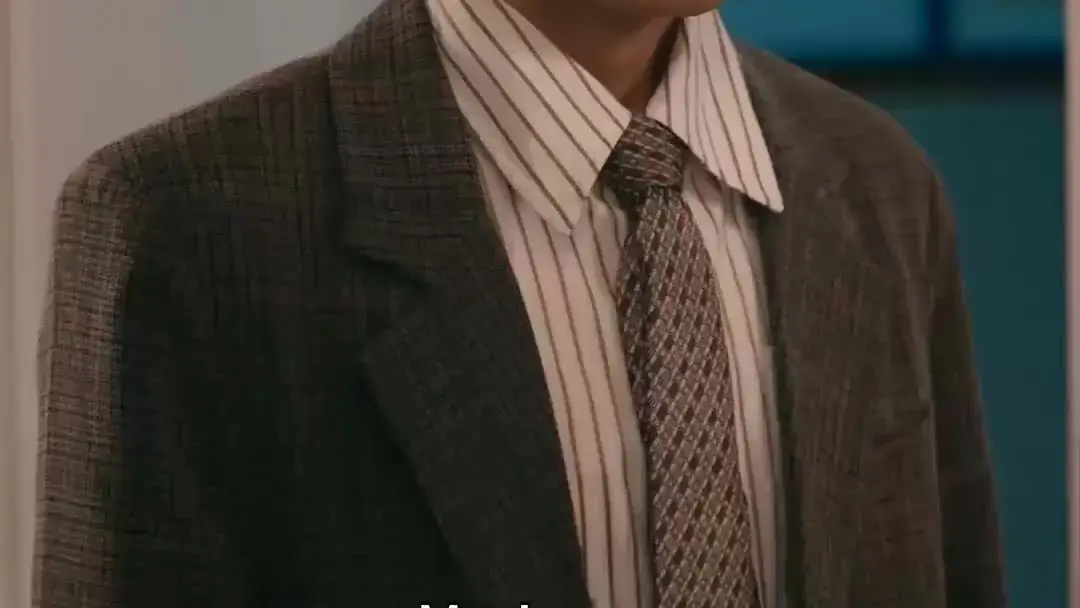 2026-04-28 ⦁ By NetShortThe Hospital Room That Breathes LiesJoanna’s bandaged forehead tells more than her tears—every line in *The Price of Betrayal* is a wound reopened. Mr. Lane’s ‘regret’ feels like a knife wrapped i
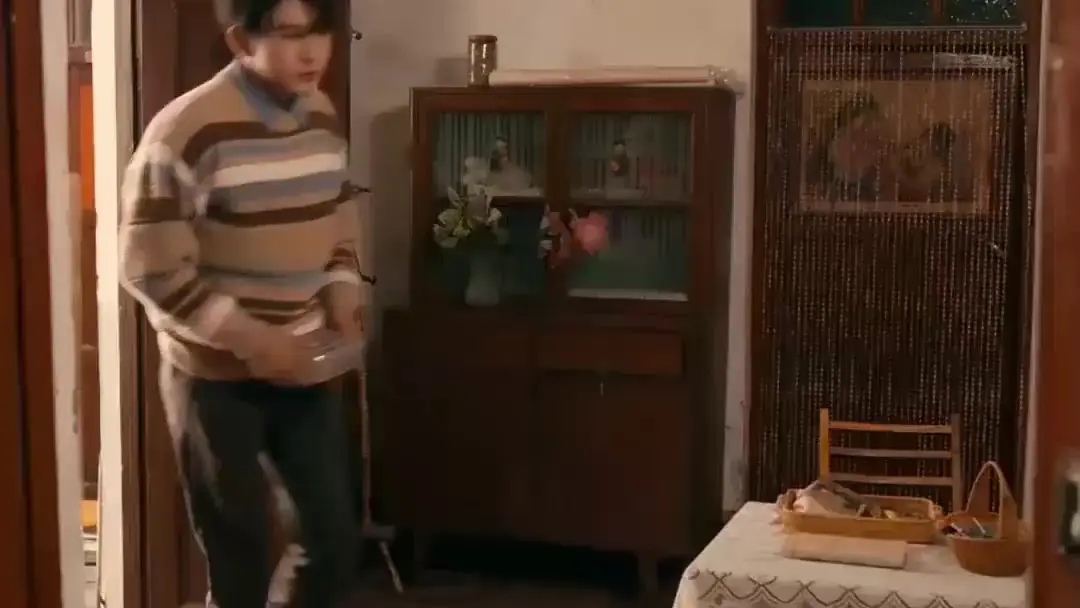 2026-04-28 ⦁ By NetShortWhen Memory Becomes a WeaponGrace whispering 'end things here too' while touching the table where her parents met? Chef’s kiss. The film weaponizes nostalgia—not to comfort, but to wound.
- 2026-04-28 ⦁ By NetShortThe Last Letter That Never Reached HerLucien’s trembling hands unfolding that note—'I’ll already be gone'—hit like a gut punch. The quiet devastation in his eyes versus Grace’s serene walk out of Ev
 2026-04-28 ⦁ By NetShortLucien Xavier: The Quiet Savior We Didn’t See ComingHe doesn’t speak much, but when Lucien pulls Grace away from that tombstone and whispers 'I won’t let her suffer anymore,' you feel the shift. His sweater strip
- 2026-04-28 ⦁ By NetShortThe Graveyard Confession That Shattered MeGrace’s trembling voice at her mother’s grave—'Dad still cared about you, but why did he trade my life for his stepdaughter’s?'—hits like a gut punch. The autum
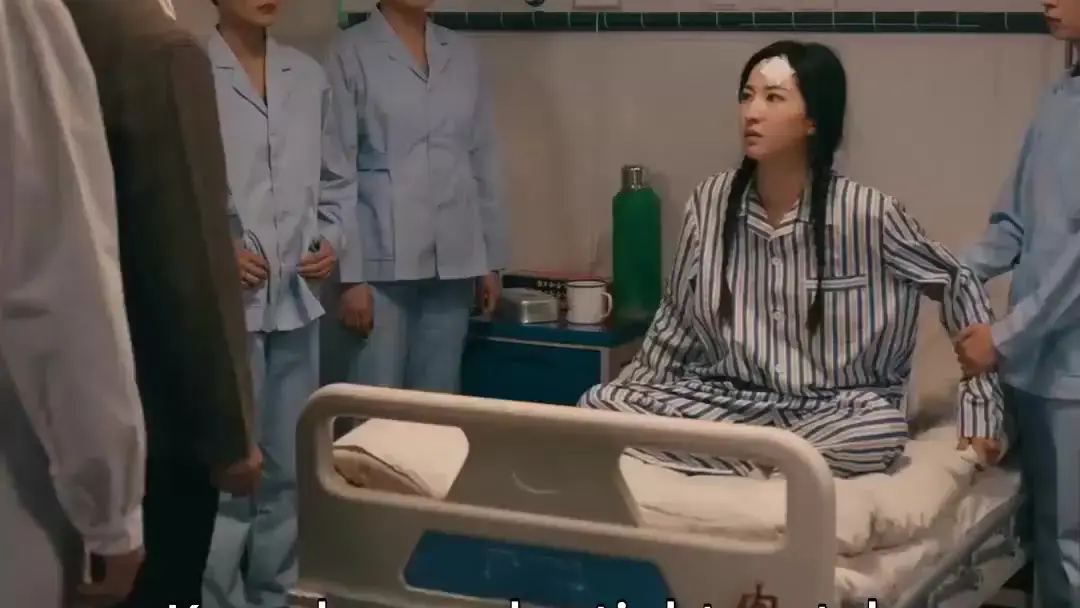 2026-04-28 ⦁ By NetShortSilver Spoon vs Trash HeapShe drops truth like grenades: ‘born with a silver spoon’ versus ‘picked from a trash heap’. Not metaphor—*reality*. Her mother’s promise kept her alive; his de
- 2026-04-28 ⦁ By NetShortThe Bandage That Screams TruthThat forehead bandage isn’t just an injury—it’s the only proof she’s *real* in a room full of lies. Uncle Roy’s cold stare versus her raw plea? Chills. The Pric
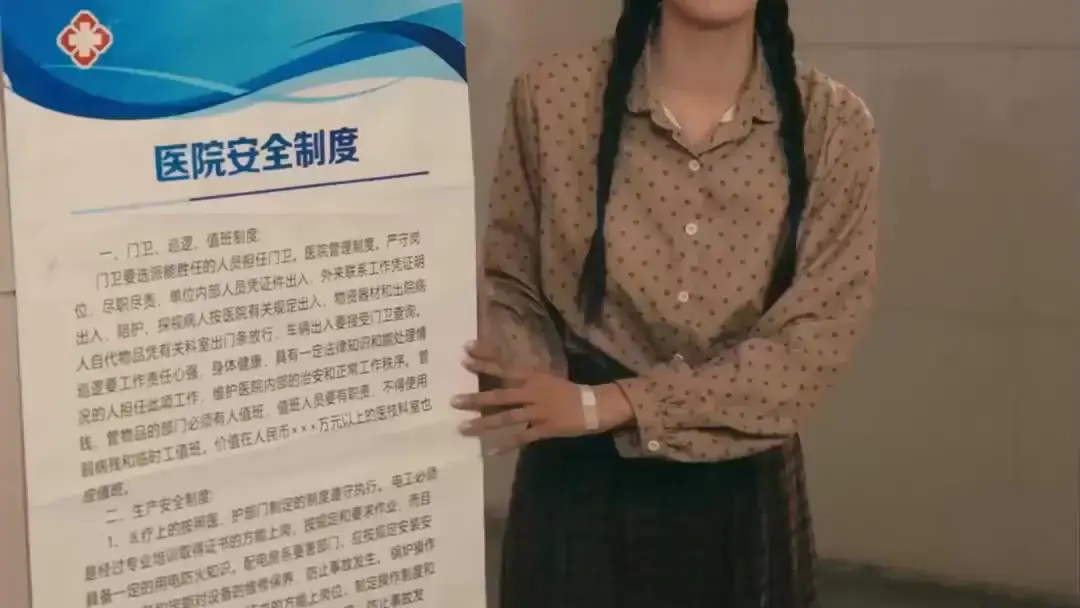 2026-04-28 ⦁ By NetShortLoyalty vs. Blood: A Dog’s Truth in a Human Lie‘At least a dog will always be loyal’—Joanna’s line cuts deeper than any surgery. *The Price of Betrayal* isn’t about who pushed whom; it’s about who *chooses*
- 2026-04-28 ⦁ By NetShortThe Bandage That Speaks Louder Than WordsThat forehead bandage isn’t just injury—it’s the silent scream of betrayal. In *The Price of Betrayal*, every glance between Roy and Joanna carries decades of b
 2026-04-28 ⦁ By NetShortWhen Tea Time Turns Into Truth BombRoy sipping tea while his world collapses? Iconic. Mom’s calm delivery of Lynn’s death certificate—choreographed like a villain monologue but with pearl earring
- 2026-04-28 ⦁ By NetShortThe Scent That Unraveled EverythingThat osmanthus oil wasn’t just a clue—it was the emotional detonator. The way Joanne’s realization flickers across her face? Chilling. She’s not just solving a
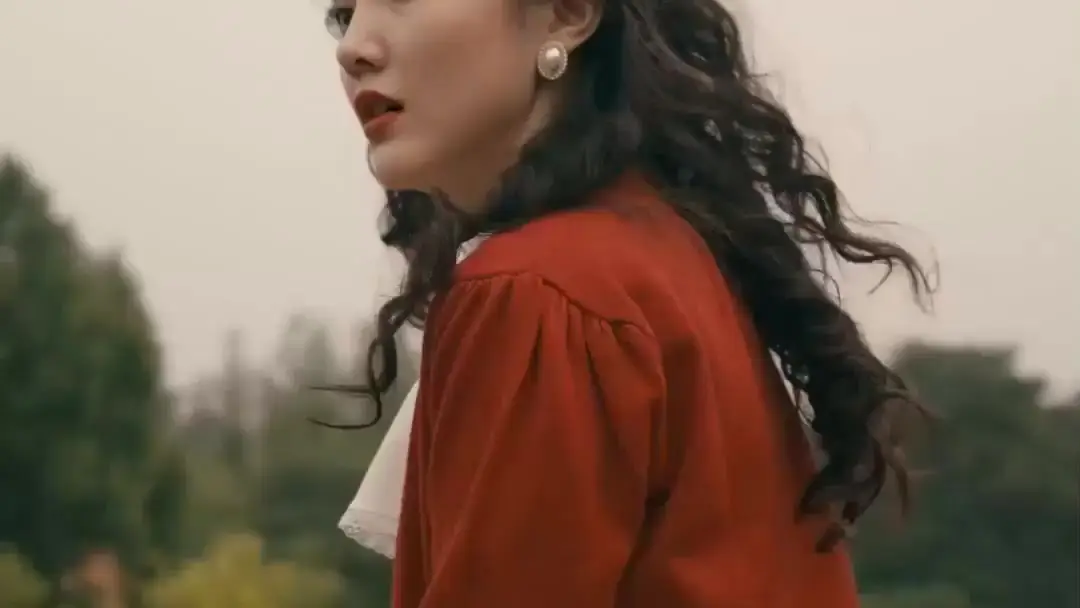 2026-04-28 ⦁ By NetShortTwo Sisters, One TriggerThe braids vs. curls showdown is pure cinematic tension—no guns, just a camera and a vial of osmanthus oil. Grace thinks she’s playing detective; her sister kno