



Sign in. Your journey starts here!
Log in
 2026-04-21 ⦁ By NetShortMommy’s Here… Again?That flashback hit like a gut punch—Rachel, the girl on the slide, calling out 'Mommy’s here.' Sunny’s trembling hand to her temple? Pure trauma resurfacing. Th
- 2026-04-21 ⦁ By NetShortThe Dowry That Wasn'tSunny’s quiet shock when the briefcases opened—10 million yuan, 'just a donation'—says everything. The real drama isn’t the money; it’s Wendy’s smirk, the older
 2026-04-21 ⦁ By NetShortWhen ‘Heartless’ Means HeroicThey call Sunny heartless for donating ‘a cent’—but she’s been feeding kids for years. The hypocrisy! 😤 Her mom’s quiet support vs. the pink-cardigan critic’s
- 2026-04-21 ⦁ By NetShortThe Quiet Storm Before the MillionSunny’s quiet confession—‘all my money went to Shawn’s treatments’—hits like a gut punch. The judgment from her so-called friends? Brutal. But the real twist? A
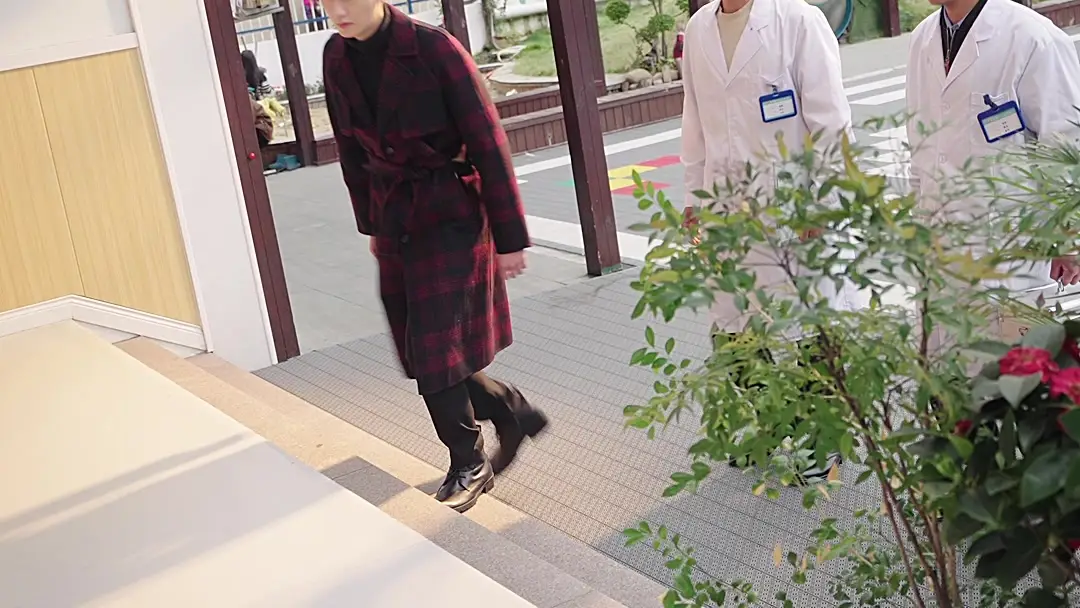 2026-04-21 ⦁ By NetShortWhen Lab Coats Meet Love LettersTwo doctors, one check-in desk, and a whole orphanage holding its breath. The real test isn’t in the blood—it’s whether Sunny can trust again. Mr. Song’s stern
- 2026-04-21 ⦁ By NetShortThe Blood Test That Changed EverythingIn (Dubbed) A Baby, a Billionaire, And Me, that tiny fingertip prick isn’t just for DNA—it’s the quiet detonation of a buried past. Sunny’s smile hides tremors;
 2026-04-21 ⦁ By NetShortFamiliar Threads, Fractured TimeMom wears the same outfit from the day Rachel vanished—a heartbreaking detail in (Dubbed) A Baby, a Billionaire, And Me. Costume as emotional anchor: hope stitc
- 2026-04-21 ⦁ By NetShortThe Math of LoveShawn’s handwritten ledger—193,800 yuan—hits harder than any dialogue. In (Dubbed) A Baby, a Billionaire, And Me, money isn’t just currency; it’s memory, sacrif
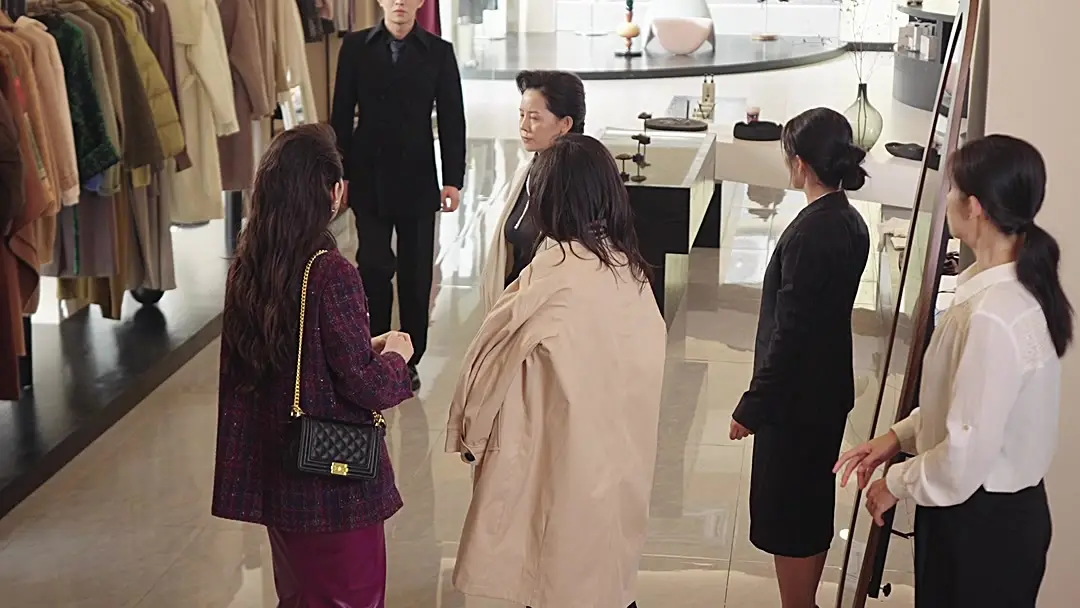
 2026-04-21 ⦁ By NetShortWhen 'Reverend Mother' Isn’t Just a TitleShe’s not just picking outfits—she’s negotiating identity, trauma, and love. Her line about the woman who saved her life? Chills. In (Dubbed) A Baby, a Billiona
- 2026-04-21 ⦁ By NetShortThe Scarf That Changed EverythingThat white knit scarf? Pure emotional warfare. She hesitated, he reassured—'It makes you look healthy.' 😅 In (Dubbed) A Baby, a Billionaire, And Me, fashion is
 2026-04-21 ⦁ By NetShortDNA Tests & Orphanage Anniversaries: Plot Twists in Pastel LightWho knew a phone call about an orphanage’s 20th anniversary could detonate a family bomb? Sunny’s smile hides trauma; Jason’s resolve cracks under duty. The shi
- 2026-04-21 ⦁ By NetShortThe Trench Coat That Carried a Thousand EmotionsJason’s black coat isn’t just fashion—it’s armor. Every gesture, every ‘Auntie’ he utters, drips with guilt and loyalty. Sunny’s beige trench? A shield too—soft