



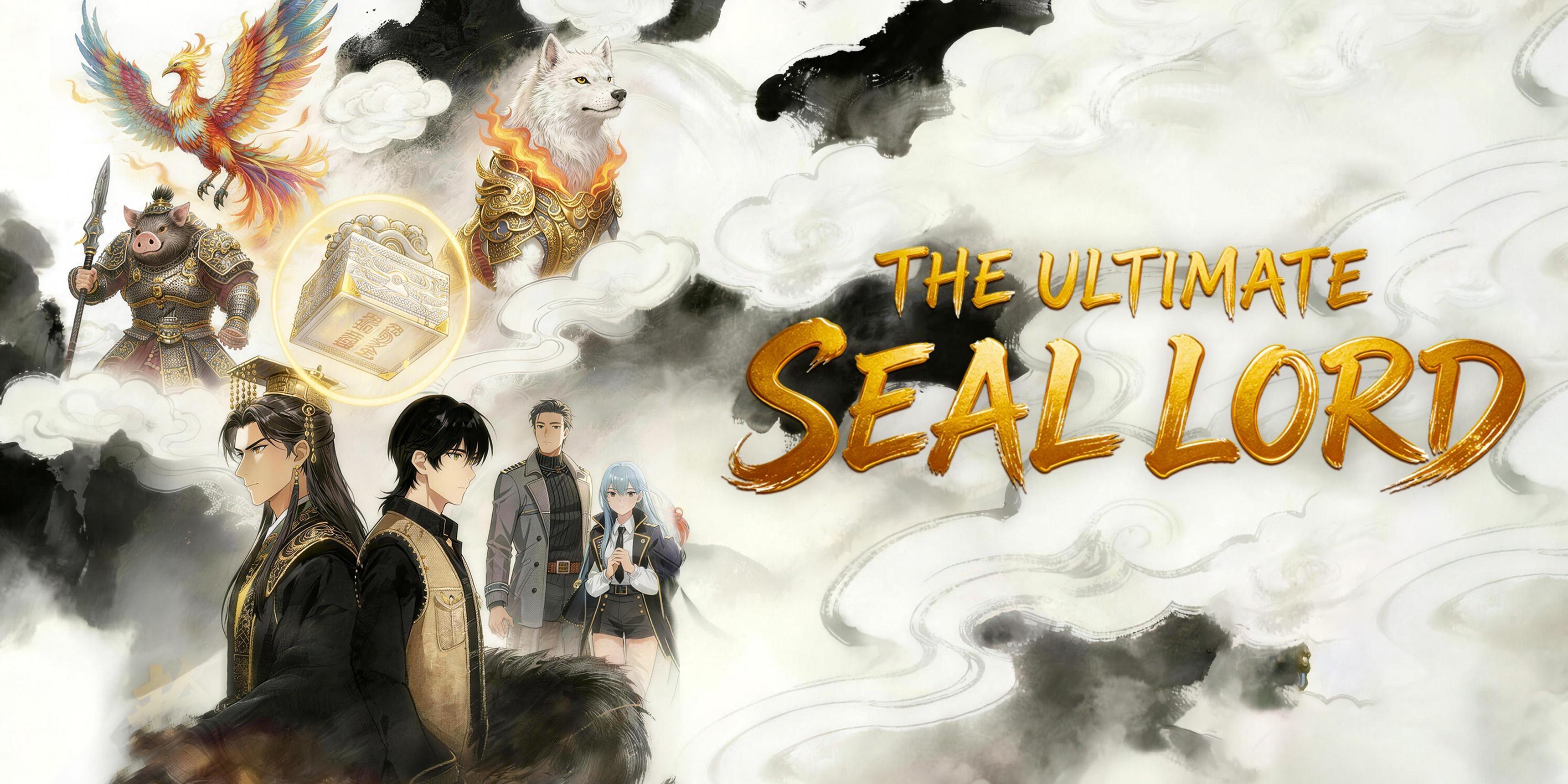
Why “rise-from-nothing” hits harder than ever
Short dramas lately are obsessed with one thing: flipping power dynamics fast and hard. Audiences aren’t here for slow burns—they want instant reversals, visible growth, and emotional payback. The Ultimate Seal Lord taps directly into that mood. It doesn’t just give you a comeback story; it compresses humiliation, chance, and dominance into a tight rhythm that feels addictive.
The hook works because it combines two fantasies at once: being underestimated and then instantly becoming untouchable. Add in the twist of animals evolving into mythical guardians, and suddenly it’s not just revenge—it’s control over an entire ecosystem of power.
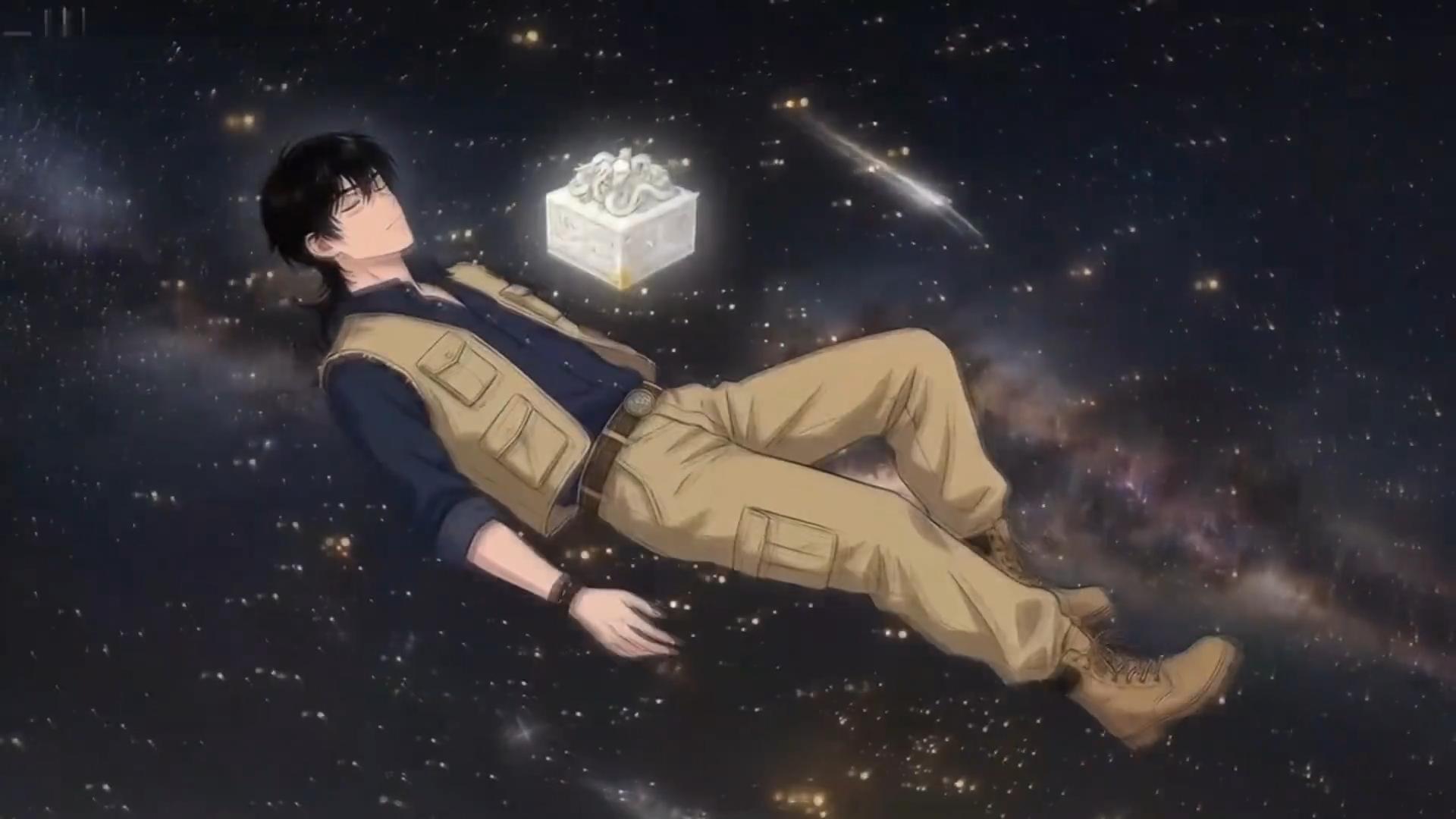
When survival turns into domination overnight
The story wastes no time establishing the fall: a once-gifted figure, now discarded and surviving alongside strays. That contrast alone sets the emotional baseline—this isn’t just poverty, it’s lost identity.
Then comes the turning point. The accidental discovery of the Imperial Seal doesn’t feel heroic—it feels unfair, almost chaotic. And that’s exactly why it works. Power isn’t earned here in a traditional sense; it’s seized by fate.
One moment quietly shifts everything: the stray animals around him don’t just follow him—they transform. Creatures once ignored become terrifyingly loyal guardians. It’s not just his status that changes, it’s his entire relationship with the world.
What makes The Ultimate Seal Lord more compelling than similar short dramas is how the protagonist’s mindset evolves. He doesn’t immediately become noble or righteous. There’s hesitation, then calculation. His decisions start to carry a colder edge, especially when former enemies resurface expecting the same broken man.
Why this story feels uncomfortably real
Strip away the fantasy, and the core dynamic feels familiar. People treat you based on what you appear to have—status, resources, backing. Lose those, and suddenly you’re invisible. Gain them back, and the same people rewrite their attitude overnight.
The stray animals becoming powerful guardians mirrors something subtle: loyalty often comes from unexpected places, not from those who once stood beside you when you were “successful.”
And that moment when the protagonist realizes he no longer needs validation? That hits differently. It reflects a shift many people go through—moving from wanting acceptance to redefining self-worth entirely.
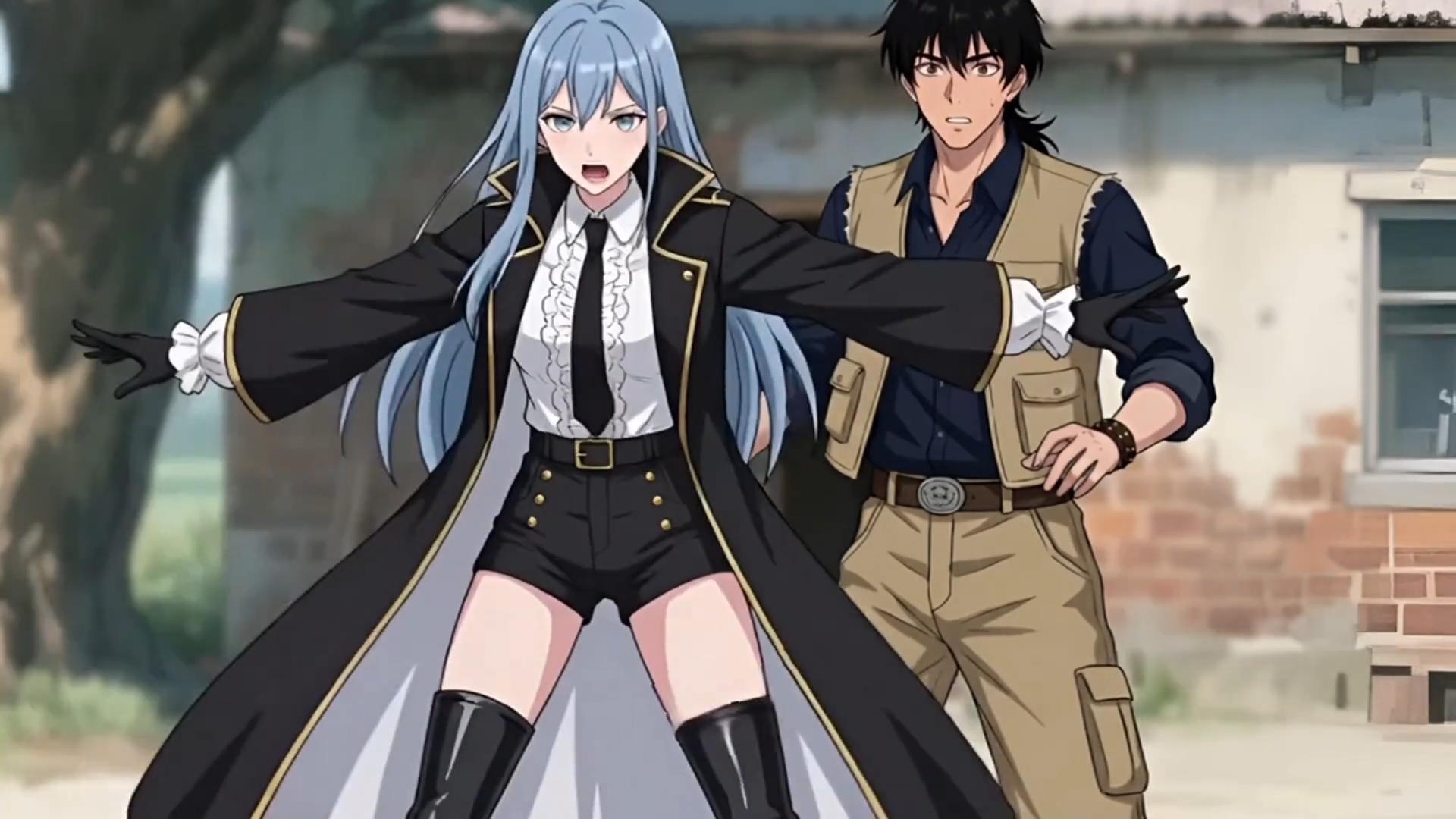
Power, morality, and the thin line in between
There’s an underlying tension running through The Ultimate Seal Lord: when you finally gain absolute power, what do you owe the world that abandoned you?
The protagonist isn’t framed as purely heroic. His rise raises uncomfortable questions. If the system cast him out, is he obligated to protect it now? Or is reshaping it part of his right?
The presence of the Imperial Seal symbolizes more than authority—it represents legitimacy. But legitimacy doesn’t always align with morality. Watching how he navigates that gap becomes more interesting than any external battle.
Fast, sharp, and quietly ruthless
What keeps The Ultimate Seal Lord engaging isn’t just the action or transformations—it’s the emotional pacing. Every win feels slightly edged with past humiliation. Every confrontation carries history.
There’s also a lingering question that sticks: once someone has rewritten their destiny so completely, is there any going back to who they were before?
If you’re into short dramas where the payoff comes quickly but still leaves room for thought, this one is worth your time.
Curious how far his power really goes—and what he’s willing to sacrifice to keep it? You can watch The Ultimate Seal Lord directly on the netshort app and see how this rise unfolds.
