



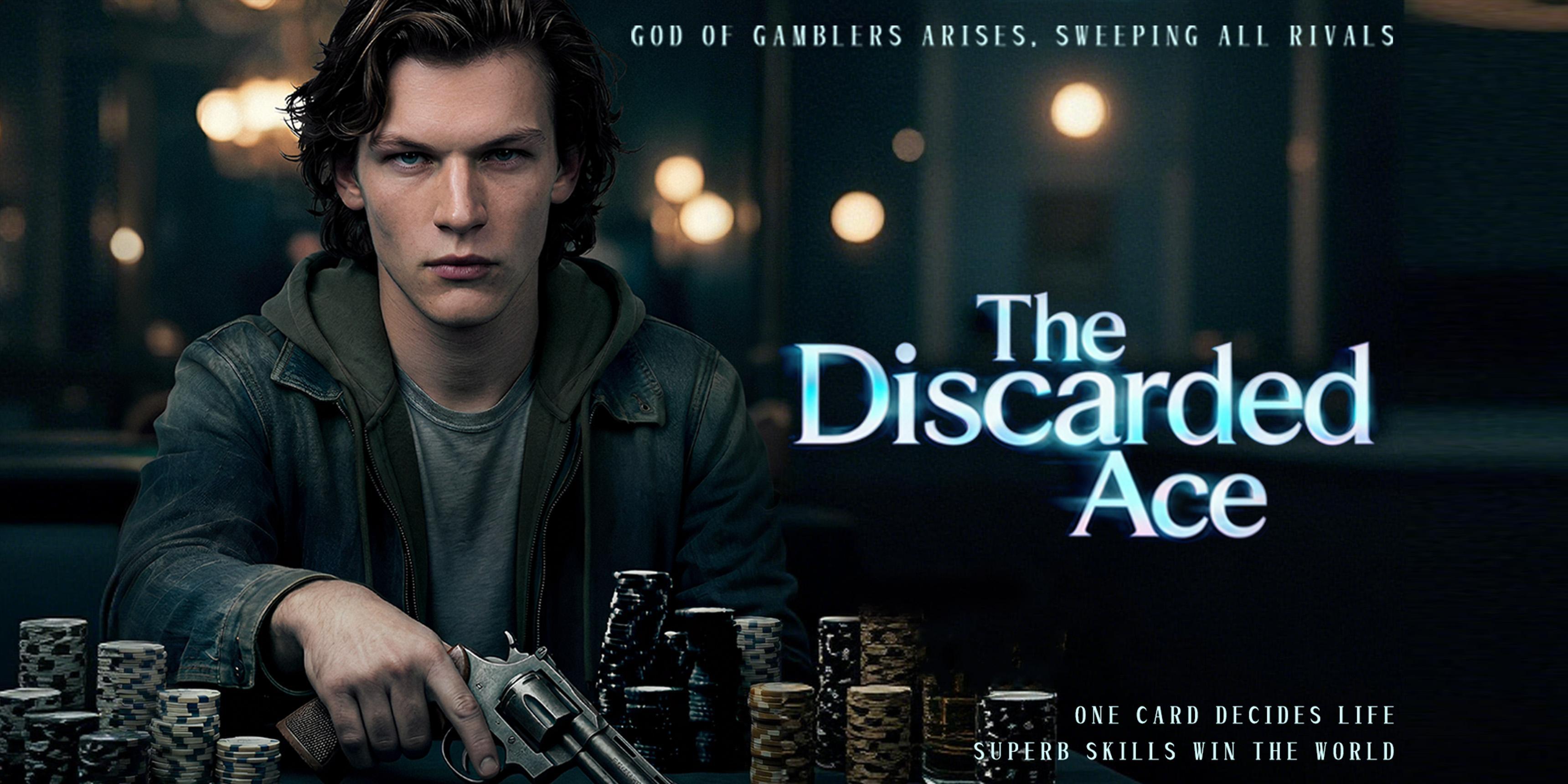
Did Leo actually lose at the end of The Discarded Ace? Not exactly.
In the final gamble, Leo deliberately throws the game—but it’s part of a much bigger strategy. What looks like a loss is actually his way of turning the entire situation in his favor.
Here’s what really happens in the ending, who truly wins, and why Leo’s final move changes everything.
What Happens in The Discarded Ace Ending (Quick Answer)
- Leo intentionally loses the final round
- His “loss” is part of a calculated long-term strategy
- He doesn’t lose control — he controls the outcome behind the scenes
Did Leo Lose on Purpose? (The Key Twist)
Yes — Leo chooses to lose.
After everything he’s been through, Leo is no longer just playing to win a single game. Instead, he’s playing a much bigger psychological game. By losing at the right moment, he manipulates his opponents, lowers their guard, and shifts the power balance.
This is not a mistake — it’s his most calculated move.
Who Actually Wins in the End?
On the surface, Leo loses the game.
But in reality:
👉 Leo is still the one in control
His opponents may win the round, but they fall into the trap he sets. The ending suggests that Leo’s “loss” is only temporary, while his long-term position becomes even stronger.
Why Leo’s Final Gamble Matters
The ending shows Leo’s transformation:
- From a talented player → to a strategic thinker
- From reacting to the game → to controlling the game
- From chasing victory → to redefining what “winning” means
His final move proves that in this world, real power isn’t about winning one round — it’s about controlling the entire game.
The hidden clues were always there
If you go back, The Discarded Ace actually hints at this ending multiple times.
- His master repeatedly emphasizes “timing over skill”
- Leo often observes instead of acting early on
- Even small throwaway lines about “rules being flexible” suddenly make sense
The show never hides the twist—it just disguises it.
Final Thoughts
The ending of The Discarded Ace is not about a simple win or loss.
It’s about strategy, control, and timing. Leo doesn’t just play the game — he rewrites it.
Where to watch the full story
Honestly, reading the ending isn’t the same as watching it unfold. The pacing, the mind games, that final reversal—it hits completely differently on screen.
If you want the full impact, The Discarded Ace is worth watching from start to finish on the NetShort app. The details you miss here? They’re exactly what make the ending land.
