




When “soft female lead” stops working, and survival takes over
The recent wave of short dramas has quietly shifted. Audiences aren’t chasing pure romance anymore—they’re drawn to power imbalance, emotional tension, and characters forced into uncomfortable choices. Tame My Beast Mates lands right in that sweet spot.
Instead of a typical underdog glow-up, it throws a fragile protagonist into a system-driven survival game where kindness alone gets you killed. The pacing is sharp, conflicts hit early, and every interaction feels loaded with risk. That’s exactly why it works: viewers aren’t watching for comfort—they’re watching to see how far someone can bend before they break… or adapt.

A bunny in a cage, but the cage bites back
The setup is deceptively simple: a modern office worker wakes up as a physically weak bunny female in a brutal beast world. But the real hook isn’t the transformation—it’s the Dark System binding her to a group of dangerous beast mates. These aren’t love interests waiting to be healed; they’re volatile, resentful, and sometimes outright cruel.
One moment that hits hard: she realizes that “taming” them isn’t about kindness—it’s about control. And when one of the beast mates nearly kills her during a failed attempt at resistance, she makes a cold decision to manipulate their instincts instead of appealing to their humanity.
Compared to softer fantasy dramas, this flips the emotional dynamic. The male characters aren’t protectors—they’re threats she has to outplay. And slowly, unsettlingly, their hostility turns into obsession.
Office politics, just with claws and blood
Strip away the fantasy setting, and the structure feels oddly familiar. The powerless newcomer navigating a hostile environment, forced to read people quickly, suppress emotions, and make calculated moves—it’s not far from real-world workplace survival.
The “system” becomes a stand-in for invisible rules people can’t escape. The beast mates? Think of them as unpredictable stakeholders—each with their own agenda, ego, and breaking point.
That tension—between appearing compliant and secretly strategizing—mirrors situations where showing weakness costs you everything. It’s not about physical survival for most people, but the emotional logic hits close enough to feel uncomfortable.
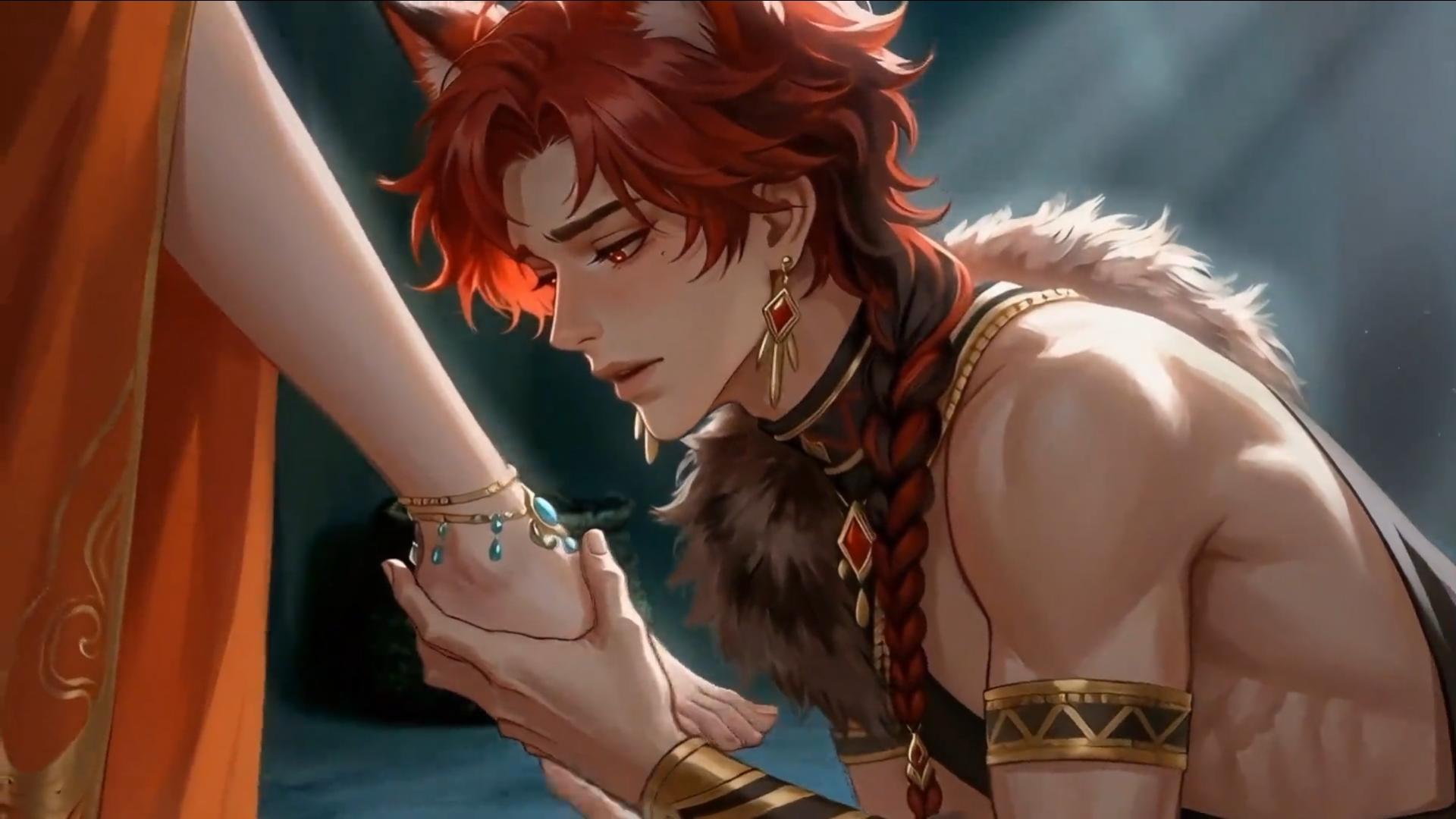
Control, dependence, and the blurry line in between
What makes Tame My Beast Mates linger isn’t just the danger—it’s the shifting nature of control. As the protagonist gains influence, the power dynamic doesn’t cleanly flip. Instead, it becomes tangled.
The more she controls them, the more she relies on them. And the more they depend on her, the more possessive—and unstable—they become.
It raises a quiet question: when does survival strategy turn into emotional entanglement? And if someone “chooses” attachment under pressure, is it really a choice?
There’s no neat answer here, and the story doesn’t try to give one. It just keeps tightening the knot.
Why this one sticks after the episode ends
Tame My Beast Mates doesn’t rely on grand twists—it thrives on emotional pressure. The pacing is relentless, the character dynamics feel dangerous, and every small shift in power feels earned.
It’s the kind of story where you’re not just watching what happens—you’re watching how far the characters are willing to go, and whether they’ll recognize themselves at the end of it.
So here’s the real question it leaves behind: if survival means becoming someone you once feared… would you still choose to survive?
If you’re curious how deep those dynamics go, it’s worth opening Tame My Beast Mates on the netshort app and seeing how each relationship evolves. There’s a lot more beneath the surface—and it only gets darker the further in you go.
