




Take Two, Eva! Storyline
Take Two, Eva! More details
Genres:Family Bonds/Rebirth/Sweet Romance
Language:English
Release date:2025-03-29 07:45:25
Runtime:108min
A Sweet Rebirth Story
Eva's journey of redemption is heartwarming! The emotional growth and family bonds really stood out.
Slow Start, But Worth the Wait
The beginning felt a bit slow, but once the plot picked up, it became incredibly engaging!
A Heartfelt Family Drama
The show beautifully captures the emotional journey of Eva and her family. Highly recommend!
A Little Predictable, but Still Enjoyable
The premise was a bit predictable, but Eva’s resilience kept me hooked!
Take Two, Eva! The Necklace That Never Left
The first thing you notice about this short drama is the silence. Not the absence of sound, but the presence of it — heavy, thick, suffocating. The young man in the hospital bed doesn't speak. He doesn't need to. His face says it all: the hollow eyes, the trembling lips, the way his fingers clutch that silver necklace like it's the last piece of a shattered world. The camera doesn't rush to explain. It doesn't cut to flashbacks or voiceovers. It just stays with him, letting you feel the weight of his grief, the ache of his loss. The older woman beside him, her hand resting gently on his shoulder, says nothing either. Her expression is a mosaic of sorrow, frustration, and helplessness — she wants to fix this, to make it better, but she knows she can't. All she can do is be there, a silent witness to his pain. It's a brave choice, this reliance on visual storytelling over exposition. Too many dramas would rush to fill the silence with dialogue, with explanations, with cheap emotional cues. But this one trusts the audience to understand, to feel, to connect. And it works. Brilliantly. Eighteen years later, the silence has changed — but it hasn't disappeared. The same man, now dressed in a sleek black suit, walks through a sunlit avenue, his steps measured, his posture impeccable. The text
Take Two, Eva! A Journey Through Time and Tears
There's a scene in this short drama that will stay with you long after the credits roll — not because of what's said, but because of what's left unsaid. The young man in the hospital bed, eyes closed, face twisted in silent agony, clutching that silver necklace like it's the only thing keeping him from floating away. The camera doesn't cut away. It doesn't rush to explain. It just stays with him, letting you sit in that unbearable quiet, feeling the weight of his grief, the ache of his loss. The older woman beside him, her hand resting lightly on his shoulder, says nothing. She doesn't need to. Her expression says it all: I'm here. I see you. I can't fix this, but I won't leave you alone. It's a masterclass in understated emotion, the kind that doesn't rely on melodrama but on the tiny, telling details — the way his thumb strokes the chain, the way his breath hitches, the way his body tenses as if preparing for a blow that never comes. This isn't just acting; it's embodiment. You believe, completely, that this person is drowning in grief, and you want to reach into the screen and pull him out. Eighteen years later, the silence has changed — but it hasn't disappeared. The same man, now dressed in a sleek black suit, walks through a sunlit avenue, his steps measured, his posture impeccable. The text
Take Two, Eva! A Story Told in Silence
There's a scene in this short drama that will stay with you long after the credits roll — not because of what's said, but because of what's left unsaid. The young man in the hospital bed, eyes closed, face twisted in silent agony, clutching that silver necklace like it's the only thing keeping him from floating away. The camera doesn't cut away. It doesn't rush to explain. It just stays with him, letting you sit in that unbearable quiet, feeling the weight of his grief, the ache of his loss. The older woman beside him, her hand resting lightly on his shoulder, says nothing. She doesn't need to. Her expression says it all: I'm here. I see you. I can't fix this, but I won't leave you alone. It's a masterclass in understated emotion, the kind that doesn't rely on melodrama but on the tiny, telling details — the way his thumb strokes the chain, the way his breath hitches, the way his body tenses as if preparing for a blow that never comes. This isn't just acting; it's embodiment. You believe, completely, that this person is drowning in grief, and you want to reach into the screen and pull him out. Eighteen years later, the silence has changed — but it hasn't disappeared. The same man, now dressed in a sleek black suit, walks through a sunlit avenue, his steps measured, his posture impeccable. The text
Take Two, Eva! The Ghosts We Carry
The first thing you notice about this short drama is the silence. Not the absence of sound, but the presence of it — heavy, thick, suffocating. The young man in the hospital bed doesn't speak. He doesn't need to. His face says it all: the hollow eyes, the trembling lips, the way his fingers clutch that silver necklace like it's the last piece of a shattered world. The camera doesn't rush to explain. It doesn't cut to flashbacks or voiceovers. It just stays with him, letting you feel the weight of his grief, the ache of his loss. The older woman beside him, her hand resting gently on his shoulder, says nothing either. Her expression is a mosaic of sorrow, frustration, and helplessness — she wants to fix this, to make it better, but she knows she can't. All she can do is be there, a silent witness to his pain. It's a brave choice, this reliance on visual storytelling over exposition. Too many dramas would rush to fill the silence with dialogue, with explanations, with cheap emotional cues. But this one trusts the audience to understand, to feel, to connect. And it works. Brilliantly. Eighteen years later, the silence has changed — but it hasn't disappeared. The same man, now dressed in a sleek black suit, walks through a sunlit avenue, his steps measured, his posture impeccable. The text
Take Two, Eva! The Weight of Eighteen Years
The opening moments of this short drama are deceptively simple — a young man in a hospital bed, an older woman beside him, a silver necklace clutched in his hand. But within seconds, you're pulled into a vortex of emotion so intense it feels like you're drowning alongside him. His eyes are half-lidded, not from sleep, but from the sheer exhaustion of carrying a pain too heavy to name. The camera lingers on his fingers, knuckles white, as if letting go of the necklace would mean losing the last thread connecting him to someone or something irreplaceable. The older woman, dressed in a traditional green brocade jacket, watches him with a mixture of sorrow and helplessness. She reaches out, gently touching his shoulder, but he doesn't react. He's already gone, mentally, emotionally, spiritually. The silence between them is deafening — no dialogue, no music, just the raw, unfiltered sound of grief. Then, the moment breaks — not with a scream, but with a slow, shuddering breath as he presses the necklace against his chest, eyes squeezing shut as if trying to physically hold back the floodgates of tears. It's devastating. It's beautiful. And it's only the beginning. Eighteen years later, the same man walks through a sun-dappled avenue lined with towering trees, their leaves forming a natural cathedral overhead. The text
Take Two, Eva! When the Past Won't Let Go
There's a moment in this short drama that stops you cold — not because of action or dialogue, but because of stillness. The young man in the hospital bed, eyes closed, face contorted in silent agony, clutching that silver necklace like it's the only thing keeping him anchored to reality. The camera doesn't rush. It doesn't cut away. It lets you sit with him, in that unbearable quiet, as tears well up but never fall. You can almost hear the hum of the hospital machines, the distant chatter of nurses, the rustle of sheets — but none of it matters. All that exists is him, and the pain he's trying so hard to contain. The older woman beside him, her hand resting lightly on his shoulder, says nothing. She doesn't need to. Her expression says it all: I'm here. I see you. I can't fix this, but I won't leave you alone. It's a masterclass in understated emotion, the kind that doesn't rely on melodrama but on the tiny, telling details — the way his thumb strokes the chain, the way his breath hitches, the way his body tenses as if preparing for a blow that never comes. This isn't just acting; it's embodiment. You believe, completely, that this person is drowning in grief, and you want to reach into the screen and pull him out. Fast forward eighteen years, and the transformation is almost unnerving. The same man, now polished and poised, walks through a tree-lined street bathed in golden sunlight. The text

Sweet Romance


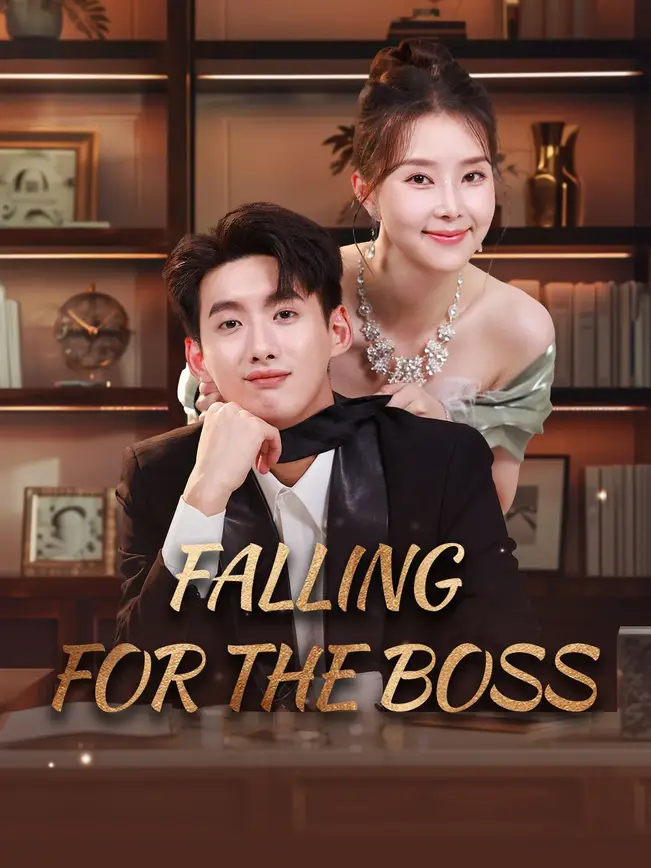



.jpg~tplv-vod-rs:651:868.webp)
Rebirth
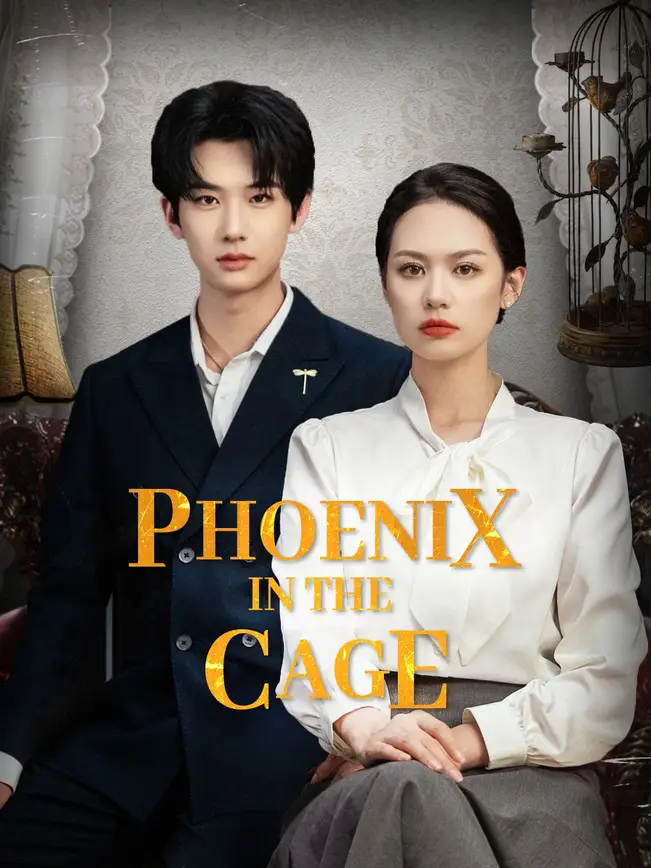


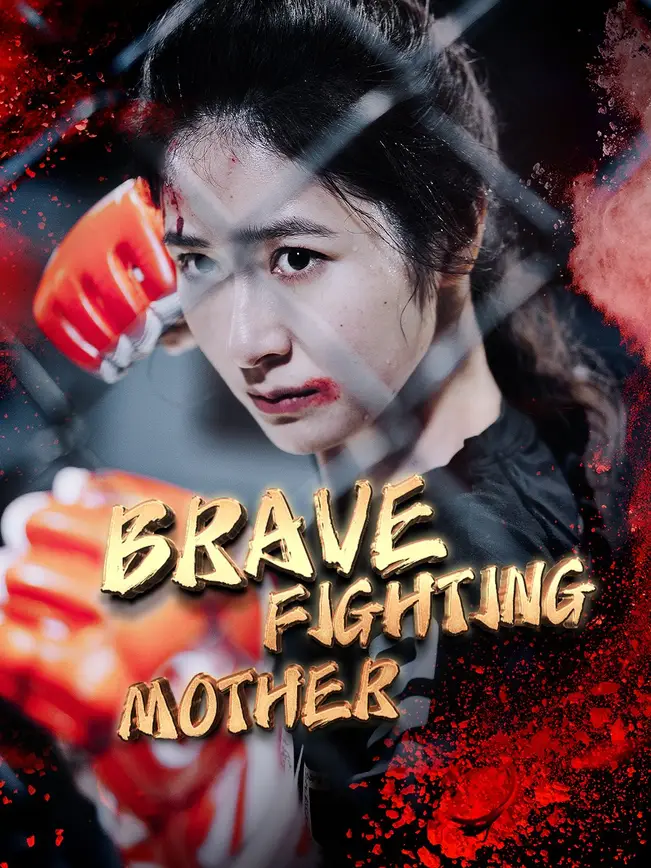


Family Bonds

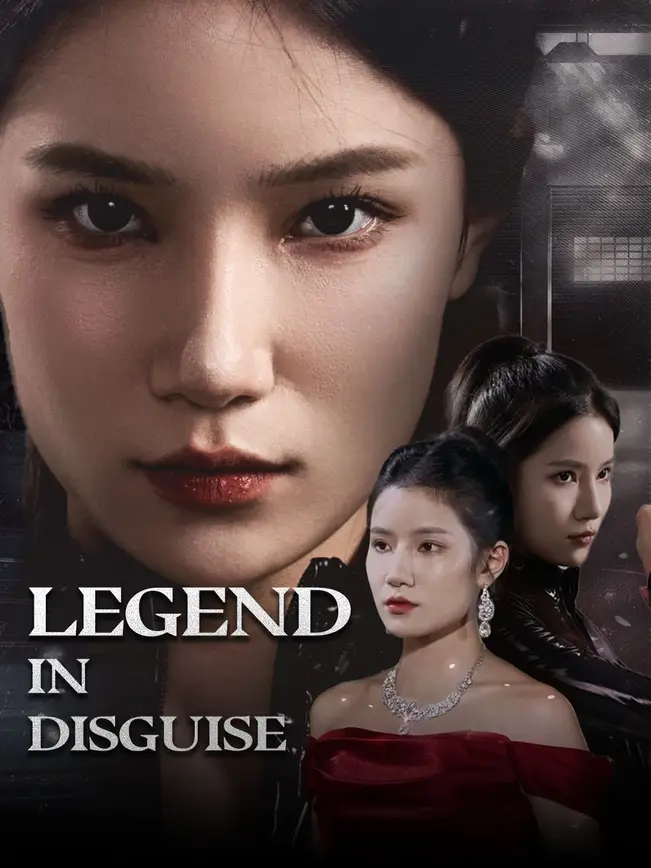


 Download

Ep Review