




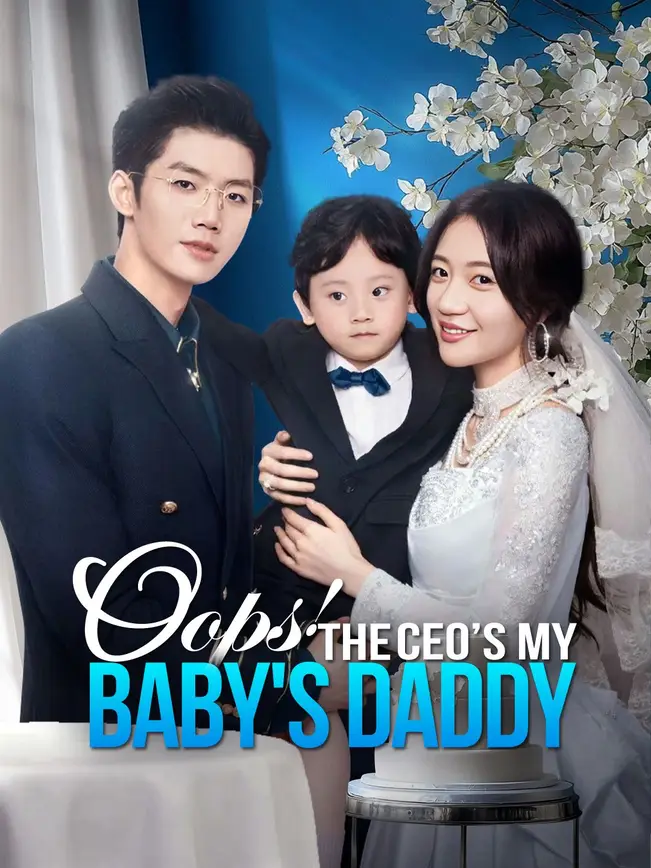
Oops! The CEO’s My Baby's Daddy Storyline
Oops! The CEO’s My Baby's Daddy More details
Genres:Runaway Pregnancy/One Night Stand/Sweet Romance
Language:English
Release date:2025-04-07 16:02:25
Runtime:153min
Addicted Already!
I started watching out of curiosity… now I’m hooked! The pacing is tight, and every episode ends with a twist! 🔥
Family, Fate, and Feels
The balance between love, loss, and legacy is beautifully done. And can we talk about that jade pendant? Symbolic perfection.
A Story That Hits Home
It’s rare to see such a tender story about parenthood and second chances. Bobby’s fate had me on edge the whole time
Heartstrings Reconnected
I teared up watching Claire and Anthony’s journey 😭 The emotional pull is real. NetShort really knows how to pick their dramas!
Oops! The CEO's My Baby's Daddy: The Hidden Story Behind the Statue
The video opens with a scene that immediately draws the viewer in. A young woman, poised and elegant, stands in a hall filled with artifacts. Her attire, a white blouse with intricate embroidery, suggests a blend of tradition and modernity. She is the focal point of the scene, surrounded by a crowd of onlookers who watch her with a mix of curiosity and skepticism. The atmosphere is charged with anticipation, as if everyone is waiting for something significant to happen. This setup is reminiscent of the dramatic openings in <span style="color:red;">Oops! The CEO's My Baby's Daddy</span>, where the stakes are high and the outcomes uncertain. The woman begins her work on a Buddha head, a task that requires immense skill and patience. She puts on her loupe glasses, a tool that signifies her expertise, and starts the restoration process. The camera captures her every move, from the way she holds her tools to the precision of her actions. The sound of the tools against the stone creates a rhythmic backdrop, adding to the intensity of the scene. The flashback to her childhood provides context to her skills. We see her as a young girl, learning from her grandmother, who is dressed in a traditional blue outfit. The warmth of the scene, with sunlight streaming through the windows, highlights the bond between them and the passing of knowledge from one generation to the next. This emotional layer adds depth to the narrative, making the viewer care about the outcome. The reactions of the crowd add another layer of complexity to the story. The woman in black, with her stern expression and crossed arms, represents the doubters, those who question the artisan's abilities. The man in the navy suit, with his intense gaze, seems to be a key figure, perhaps a mentor or a love interest, a common element in dramas like <span style="color:red;">Oops! The CEO's My Baby's Daddy</span>. The children, with their innocent curiosity, provide a contrast to the adults' skepticism, reminding the viewer of the pure joy of art. Their presence adds a touch of lightness to the otherwise tense atmosphere, creating a balanced emotional landscape. As the restoration progresses, the transformation of the Buddha head becomes evident. The once damaged surface begins to glow, revealing the intricate details that were hidden beneath the grime. The crowd's reaction shifts from doubt to admiration, a testament to the artisan's skill. The man in the navy suit smiles, a rare expression that suggests approval and perhaps a deeper connection. The woman in black lowers her guard, her expression softening. The children clap, their joy evident. The scene is a celebration of art and the human spirit, a moment of triumph that echoes the themes of <span style="color:red;">Oops! The CEO's My Baby's Daddy</span>. The video concludes with a shot of the city skyline at night, a reminder of the modern world outside the hall. The moon, a silent observer, casts a gentle light over the city, creating a sense of peace and closure. The artisan, having completed her task, looks up with a sense of accomplishment. Her journey, from the memories of her grandmother to the present moment of success, is a story of resilience and passion. The video leaves the audience with a sense of wonder and a desire to know more about the characters and their futures. It is a beautifully crafted piece that combines visual artistry with emotional depth, making it a standout in the genre.
Oops! The CEO's My Baby's Daddy: The Legacy of Restoration
In this visually stunning video, we are introduced to a young woman who is tasked with restoring a damaged Buddha head. The setting is a grand hall, filled with artifacts and a crowd of onlookers who watch with a mix of skepticism and curiosity. The woman, dressed in a white blouse and apron, is the focal point of the scene. Her calm demeanor contrasts with the tension in the air, as the crowd watches her with a mix of skepticism and curiosity. This dynamic is reminiscent of the high-stakes environments often depicted in <span style="color:red;">Oops! The CEO's My Baby's Daddy</span>, where every action is scrutinized. The restoration process is shown in detail, with the camera focusing on the woman's hands as she works. She uses specialized tools and loupe glasses, indicating her expertise. The sound of the tools against the stone creates a rhythmic backdrop, adding to the intensity of the scene. The flashback to her childhood adds an emotional layer to the story. We see her as a young girl, learning from her grandmother, who is dressed in a traditional blue outfit. The warmth of the scene, with sunlight streaming through the windows, highlights the bond between them and the passing of knowledge. This emotional connection makes the viewer invested in the outcome of the restoration. The reactions of the crowd provide a subplot of their own. The woman in black, with her stern expression, represents the critics, while the man in the navy suit, with his intense gaze, seems to be a key figure, perhaps a mentor or a love interest, a common trope in dramas like <span style="color:red;">Oops! The CEO's My Baby's Daddy</span>. The children, with their innocent curiosity, provide a contrast to the adults' skepticism, reminding the viewer of the pure joy of art. Their presence adds a touch of lightness to the otherwise tense atmosphere, creating a balanced emotional landscape. As the restoration progresses, the transformation of the Buddha head becomes evident. The once damaged surface begins to glow, revealing the intricate details that were hidden beneath the grime. The crowd's reaction shifts from doubt to admiration, a testament to the artisan's skill. The man in the navy suit smiles, a rare expression that suggests approval and perhaps a deeper connection. The woman in black lowers her guard, her expression softening. The children clap, their joy evident. The scene is a celebration of art and the human spirit, a moment of triumph that echoes the themes of <span style="color:red;">Oops! The CEO's My Baby's Daddy</span>. The video concludes with a shot of the city skyline at night, a reminder of the modern world outside the hall. The moon, a silent observer, casts a gentle light over the city, creating a sense of peace and closure. The artisan, having completed her task, looks up with a sense of accomplishment. Her journey, from the memories of her grandmother to the present moment of success, is a story of resilience and passion. The video leaves the audience with a sense of wonder and a desire to know more about the characters and their futures. It is a beautifully crafted piece that combines visual artistry with emotional depth, making it a standout in the genre.
Oops! The CEO's My Baby's Daddy: When Art Meets Emotion
The video presents a captivating narrative centered around the restoration of a Buddha head, a task undertaken by a young woman who exudes confidence and skill. The setting is a grand hall, filled with artifacts and a diverse crowd of onlookers. The woman, dressed in a white blouse and apron, is the focal point of the scene. Her calm demeanor contrasts with the tension in the air, as the crowd watches her with a mix of skepticism and curiosity. This dynamic is reminiscent of the high-stakes environments often depicted in <span style="color:red;">Oops! The CEO's My Baby's Daddy</span>, where every action is scrutinized. The restoration process is shown in detail, with the camera focusing on the woman's hands as she works. She uses specialized tools and loupe glasses, indicating her expertise. The sound of the tools against the stone creates a rhythmic backdrop, adding to the intensity of the scene. The flashback to her childhood adds an emotional layer to the story. We see her as a young girl, learning from her grandmother, who is dressed in a traditional blue outfit. The warmth of the scene, with sunlight streaming through the windows, highlights the bond between them and the passing of knowledge. This emotional connection makes the viewer invested in the outcome of the restoration. The reactions of the crowd provide a subplot of their own. The woman in black, with her stern expression, represents the critics, while the man in the navy suit, with his intense gaze, seems to be a key figure, perhaps a mentor or a love interest, a common trope in dramas like <span style="color:red;">Oops! The CEO's My Baby's Daddy</span>. The children, with their innocent curiosity, provide a contrast to the adults' skepticism, reminding the viewer of the pure joy of art. Their presence adds a touch of lightness to the otherwise tense atmosphere, creating a balanced emotional landscape. As the restoration progresses, the transformation of the Buddha head becomes evident. The once damaged surface begins to glow, revealing the intricate details that were hidden beneath the grime. The crowd's reaction shifts from doubt to admiration, a testament to the artisan's skill. The man in the navy suit smiles, a rare expression that suggests approval and perhaps a deeper connection. The woman in black lowers her guard, her expression softening. The children clap, their joy evident. The scene is a celebration of art and the human spirit, a moment of triumph that echoes the themes of <span style="color:red;">Oops! The CEO's My Baby's Daddy</span>. The video concludes with a shot of the city skyline at night, a reminder of the modern world outside the hall. The moon, a silent observer, casts a gentle light over the city, creating a sense of peace and closure. The artisan, having completed her task, looks up with a sense of accomplishment. Her journey, from the memories of her grandmother to the present moment of success, is a story of resilience and passion. The video leaves the audience with a sense of wonder and a desire to know more about the characters and their futures. It is a beautifully crafted piece that combines visual artistry with emotional depth, making it a standout in the genre.
Oops! The CEO's My Baby's Daddy: A Masterpiece of Patience and Skill
In a world where instant gratification is the norm, the art of restoration stands as a testament to patience and dedication. The video captures this beautifully, focusing on a young woman who embodies these virtues. Dressed in a pristine white blouse and an apron, she sits before a damaged Buddha head, her tools laid out with precision. The setting is a spacious hall filled with artifacts, suggesting a museum or a high-end auction house. The crowd around her is a mix of characters, each with their own agenda. There is the stern woman in black, the skeptical man in the grey suit, and the curious children, all watching with varying degrees of interest. The tension is palpable, reminiscent of the high-stakes drama in <span style="color:red;">Oops! The CEO's My Baby's Daddy</span>, where every action has consequences. The artisan's process is meticulous. She dons her loupe glasses, a symbol of her expertise, and begins to work. The camera focuses on her hands, capturing the delicate movements as she cleans and repairs the statue. The sound of the tools scraping against the stone is amplified, creating a rhythmic backdrop to her work. The flashback to her childhood adds a poignant layer to the narrative. We see her as a young girl, learning from her grandmother, who is dressed in a traditional outfit. The warmth of the sunlight streaming through the lattice windows creates a nostalgic atmosphere, highlighting the bond between the two. The grandmother's guidance and the girl's eagerness to learn paint a picture of a legacy being passed down, a theme that resonates deeply in stories like <span style="color:red;">Oops! The CEO's My Baby's Daddy</span>. As the restoration continues, the reactions of the onlookers provide a subplot of their own. The woman in black, with her pearl necklace and crossed arms, represents the critic, the one who doubts the artisan's abilities. The man in the navy suit, with his intense gaze, seems to be the protector or perhaps the love interest, a common trope in dramas like <span style="color:red;">Oops! The CEO's My Baby's Daddy</span>. The children, with their innocent curiosity, serve as a reminder of the purity of art and the joy of discovery. Their presence softens the otherwise tense atmosphere, adding a touch of humanity to the scene. The contrast between the skeptical adults and the hopeful children creates a dynamic interplay of emotions, keeping the audience engaged. The climax of the video is the reveal of the restored Buddha head. The transformation is stunning, from a dull, damaged relic to a radiant masterpiece. The golden light that bathes the statue symbolizes its rebirth, a visual metaphor for the artisan's own journey. The crowd's reaction shifts from skepticism to awe, a testament to the power of skill and perseverance. The man in the navy suit smiles, a rare expression that suggests approval and perhaps something more. The woman in black lowers her guard, her expression softening. The children clap, their joy infectious. The scene is a celebration of art and the human spirit, a moment of triumph that echoes the themes of <span style="color:red;">Oops! The CEO's My Baby's Daddy</span>. The video ends with a panoramic view of the city at night, a reminder of the world beyond the hall. The moon, a silent observer, casts a gentle light over the skyline, creating a sense of peace and closure. The artisan, having completed her task, looks up with a sense of accomplishment. Her journey, from the memories of her grandmother to the present moment of success, is a story of resilience and passion. The video leaves the audience with a sense of wonder and a desire to know more about the characters and their futures. It is a beautifully crafted piece that combines visual artistry with emotional depth, making it a standout in the genre.
Oops! The CEO's My Baby's Daddy: The Restoration That Shocked Everyone
The atmosphere in the grand hall was thick with anticipation, a mixture of skepticism and curiosity hanging in the air like dust motes in a sunbeam. At the center of this storm sat a young woman, her demeanor calm yet intensely focused, a stark contrast to the murmuring crowd surrounding her. She was not just an artisan; she was the protagonist of a moment that felt ripped straight from the pages of a dramatic novel, perhaps even resembling a scene from <span style="color:red;">Oops! The CEO's My Baby's Daddy</span>. As she adjusted her specialized loupe glasses, the light caught the intricate embroidery on her white blouse, signaling a blend of traditional elegance and modern precision. The crowd, a mix of well-dressed elites and curious onlookers, watched with bated breath. Among them stood a man in a sharp navy suit, his expression unreadable but his eyes fixed on her with an intensity that suggested a deep, unspoken history. Was he the mysterious CEO from <span style="color:red;">Oops! The CEO's My Baby's Daddy</span>? The tension was palpable. She began her work on a weathered stone Buddha head, a relic that had seen centuries pass. Her movements were deliberate, almost surgical, as she used fine tools to clear away the grime of ages. The camera zoomed in on her hands, gloved in white, revealing the delicate touch of a master. Every scrape of the tool, every brush of dust, seemed to echo in the silent hall. The onlookers, including a stern woman in a black Chanel-style suit and a younger girl in pink, watched with expressions ranging from disdain to awe. The woman in black crossed her arms, her face a mask of judgment, while the girl in pink leaned forward, her eyes wide with wonder. It was a classic setup of rivals and supporters, a dynamic often seen in stories like <span style="color:red;">Oops! The CEO's My Baby's Daddy</span>, where the underdog must prove herself against all odds. As the restoration progressed, a flashback sequence transported us to a sun-drenched room filled with the warmth of memory. Here, a younger version of the artisan, a little girl with a pearl headband, sat beside an elderly woman, presumably her grandmother. The older woman, dressed in a traditional blue velvet qipao, smiled with pride as she guided the child's hand. They were working on a similar artifact, a small ornate vase, and the bond between them was evident in their shared laughter and gentle instructions. This scene added a layer of emotional depth, suggesting that the young woman's skill was not just learned but inherited, a legacy passed down through generations. The grandmother's words, though inaudible, seemed to resonate with encouragement and wisdom, fueling the girl's passion. It was a touching moment that humanized the artisan, making her struggle in the present day even more compelling. Back in the present, the transformation of the Buddha head was nothing short of miraculous. The once dull and damaged surface began to glow with a renewed vitality. The artisan's focus never wavered, even as the pressure mounted. The man in the navy suit, who had been standing stoically, finally broke his silence, his expression softening into one of admiration. The crowd, initially skeptical, began to murmur in approval. The woman in black looked on with a mix of surprise and grudging respect, while the little boy, who had been hiding behind an older man in a hat, peeked out with a smile. The restoration was not just about fixing a statue; it was about restoring faith, both in the artifact and in the artisan herself. The final reveal of the Buddha's serene face, bathed in a golden light, was a climax that left everyone speechless. It was a moment of triumph, a validation of her skill and heritage, echoing the themes of redemption and recognition found in <span style="color:red;">Oops! The CEO's My Baby's Daddy</span>. The video concluded with a shot of the city skyline at night, a reminder of the modern world outside this timeless craft. The moon hung high, casting a silvery glow over the bustling metropolis, a juxtaposition of the ancient and the contemporary. The artisan removed her glasses, her face tired but satisfied, a small smile playing on her lips. She had not only restored a piece of history but had also silenced her doubters. The man in the navy suit approached her, his intentions unclear but his presence significant. Was this the beginning of a new chapter, a romance, or a business partnership? The ambiguity left the audience wanting more, eager to see how the story would unfold. The entire sequence was a masterclass in visual storytelling, blending action, emotion, and suspense into a cohesive narrative that captivated from start to finish.
Oops! The CEO's My Baby's Daddy: The Truth Unveiled
The video clip presents a scene rich in visual storytelling, set within a spacious warehouse that has been repurposed as a gallery for ancient artifacts. The lighting is dramatic, with shafts of light cutting through the dust-filled air, illuminating the stone faces of the statues that line the walls. In the center of this cultural sanctuary stands Mr. John, a foreign collector whose presence is as imposing as it is unwelcome. He is dressed in a sharp grey suit, a crown brooch pinned to his lapel, a symbol of his self-perceived royalty in the world of art collection. He is surrounded by a group of men in black suits and sunglasses, his personal security detail, which adds to the air of intimidation he projects. He is speaking, his voice echoing through the warehouse, and his gestures are broad and commanding. He is clearly used to getting his way, to having his words carry weight. But opposite him stands a group that seems to represent everything he is not. There is a man in a black suit, his demeanor calm and collected, standing beside a woman in traditional white clothing and a young boy. The woman's attire is a stark contrast to the modern suits around her, a reminder of the deep roots of the culture that is being contested. The boy, standing close to the man, looks up with innocent eyes, a symbol of the future that is at stake in this conflict. The tension between the two groups is palpable, a silent battle of wills that is about to erupt into open confrontation. This is the setting for a pivotal moment in Oops! The CEO's My Baby's Daddy, where the values of heritage and family are pitted against the forces of greed and exploitation. The camera moves to show the wider audience, a mix of elegantly dressed guests who have gathered for this event. Among them are two women who seem to be key figures in the story. One is dressed in a sophisticated black suit with a pearl necklace, her expression stern and judgmental. The other is in a soft pink dress, her face a mask of concern and anxiety. They are watching the central conflict with intense interest, their reactions mirroring the emotions of the audience. The setting is filled with artifacts, each one a piece of history, a testament to the rich cultural heritage that is the backdrop of this story. The contrast between the ancient, serene faces of the statues and the modern, tense human interactions creates a powerful visual narrative. The red cloth covering the central pedestal is a focal point, a symbol of the mystery and the revelation that is to come. The woman in the blue blazer, the curator of this event, steps forward to address the crowd. Her voice is clear and professional, but there is a hint of apprehension in her eyes. She is aware of the significance of the moment, of the weight of the history that is about to be unveiled. The atmosphere is charged with anticipation, the air thick with the unspoken questions that are on everyone's mind. What is under the red cloth? Why is Mr. John so interested in it? And what is the connection between the man in black, the woman in white, and the young boy? These are the questions that drive the narrative of Oops! The CEO's My Baby's Daddy forward, keeping the audience on the edge of their seats. The unveiling is a moment of high drama. The woman in white approaches the pedestal, her movements slow and deliberate. She reaches out and pulls away the red cloth, revealing the object beneath. It is a Buddha head, but it is not the pristine, perfect artifact that everyone might have expected. It is damaged, with visible cracks and missing pieces. The reaction of the crowd is immediate and visceral. The woman in the black suit gasps in shock, her hand flying to her mouth. The woman in the pink dress looks on with a mixture of disbelief and disappointment. Even Mr. John, for all his confidence, seems taken aback. His smirk fades, replaced by a look of confusion and perhaps even anger. But the reaction of the man in black and the woman in white is different. They do not look shocked; they look resigned, as if they knew this was the truth all along. The damaged head is not just an artifact; it is a symbol of their own fractured past, their own hidden scars. The boy, sensing the shift in mood, looks up at the man in black, seeking reassurance. The man places a hand on the boy's shoulder, a gesture of protection and solidarity. This moment is a turning point in the story, shifting the focus from a simple dispute over an artifact to a deeper exploration of identity and heritage. The damaged Buddha head represents the broken pieces of their lives, the secrets that have been kept hidden, and the pain that comes with facing the truth. The narrative of Oops! The CEO's My Baby's Daddy is building towards a climax, and this scene is the catalyst that will set the final act in motion. The confrontation that follows the unveiling is a study in contrasting personalities. Mr. John, recovering from his initial shock, begins to speak again, his voice taking on a more aggressive tone. He points at the damaged head, his gestures becoming more animated, as if trying to assert his authority over the situation. He seems to be arguing that the artifact is worthless, that it is a fraud, or perhaps that it belongs to him. His body language is confrontational, his eyes darting between the man in black and the woman in white, looking for a weakness to exploit. But the man in black remains unmoved. His expression is calm, almost serene, as if he is above the petty arguments of the collector. He stands tall, his presence commanding, a silent rebuke to Mr. John's bluster. The woman in white, too, maintains her composure. She looks at the damaged head with a sense of reverence, as if seeing beyond the physical damage to the spiritual significance of the artifact. Her eyes are filled with a quiet sadness, but also with a determination to protect what is hers. The other guests watch the exchange with bated breath, their faces reflecting the tension in the room. The woman in the black suit looks angry, her lips pressed into a thin line, while the woman in the pink dress looks worried, her eyes wide with concern. The scene is a microcosm of the larger themes of the story: the clash between commerce and culture, the struggle for identity, and the power of family bonds. The damaged Buddha head, with its broken face, seems to look down on them all, a silent witness to the human drama unfolding before it. The narrative of Oops! The CEO's My Baby's Daddy is building towards a climax, and this scene is the catalyst that will set the final act in motion. As the scene draws to a close, the camera focuses on the faces of the main characters, capturing the final moments of this intense confrontation. Mr. John, realizing that he has lost the battle, falls silent, his face a mask of frustration and defeat. He looks around the room, searching for support, but finds none. The bodyguards behind him remain impassive, their sunglasses hiding their eyes, but their posture suggests that they are ready to act if necessary. The man in black and the woman in white stand together, a united front against the forces of greed. The boy, sensing the resolution of the conflict, relaxes slightly, his grip on the man's hand loosening. The other guests begin to murmur among themselves, their opinions shifting in favor of the man in black and the woman in white. The scene ends with a shot of the damaged Buddha head, now the center of attention, a symbol of the victory of culture over commerce, of family over greed. The story of Oops! The CEO's My Baby's Daddy has taken a significant turn, and the audience is left eager to see what happens next. The unveiling of the damaged head was not just a reveal of an artifact; it was a reveal of character, a moment of truth that defined the heroes and the villains of this tale. The visual storytelling is masterful, using the setting, the costumes, and the expressions of the actors to convey a complex narrative without the need for excessive dialogue. The contrast between the ancient artifacts and the modern conflict creates a timeless quality to the story, making it relevant and engaging for a contemporary audience. The themes of heritage, identity, and family are universal, and the execution of this scene in Oops! The CEO's My Baby's Daddy is a testament to the power of visual storytelling.

Sweet Romance





.jpg~tplv-vod-rs:651:868.webp)
Runaway Pregnancy
.jpg~tplv-vod-rs:651:868.webp)




One Night Stand


.jpg~tplv-vod-rs:651:868.webp)

.jpg~tplv-vod-rs:651:868.webp)
.jpg~tplv-vod-rs:651:868.webp)
 Download

Ep Review