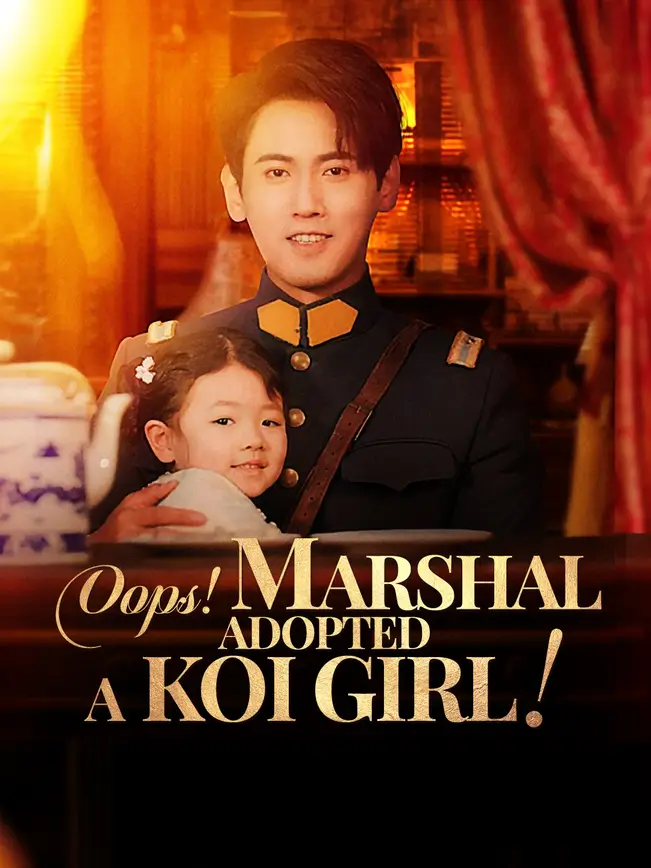
Oops! Marshal Adopted a Koi Girl! Storyline
Oops! Marshal Adopted a Koi Girl! More details
Genres:Karma Payback/Mind-Bending/Feel-Good
Language:English
Release date:2025-05-01 11:55:58
Runtime:122min
Oops! Marshal Adopted a Koi Girl! Ep1
The opening scene of this captivating sequence immediately draws the viewer into a world where stern military authority meets unexpected tenderness. We see a man dressed in a sharp, dark blue uniform adorned with gold epaulets and leather straps, entering a room that exudes old-world charm and wealth. The heavy wooden bedframe, carved with intricate details, dominates the space, suggesting a setting of significant status and heritage. As he walks towards the bedside, his movements are deliberate yet careful, avoiding any sudden noise that might disturb the sleeping child. This contrast between his rigid attire and his gentle demeanor sets the tone for the entire narrative, hinting at a complex character who hides a soft heart beneath a formidable exterior. The lighting in the room is warm and subdued, casting soft shadows that enhance the intimacy of the moment. It feels like a private sanctuary where the outside world of conflict and duty is kept at bay. The presence of the flowers on the bedside table adds a touch of life and color, contrasting with the dark wood and the serious uniform. Every element in the frame is composed to tell a story of protection and care. The interaction between the man and the little girl is the heart of this scene. She wakes up slowly, her eyes adjusting to the presence beside her. She is dressed in a delicate white lace dress with a pearl collar, which signifies purity and perhaps a cherished status within this household. When she sits up, her expression is one of quiet curiosity rather than fear, indicating that she is familiar with this man or feels safe in his presence. He does not speak immediately, instead choosing to open a wooden box placed on the bedside table. Inside, the gleam of gold bars catches the light, a stark display of immense wealth that seems almost casual in this context. It suggests that resources are not an issue for this household, but the true value lies in what he selects from within. He bypasses the gold and picks up a jade pendant attached to a beaded string. This choice is significant, showing that he values sentiment and tradition over raw material wealth. The jade is pale green, smooth and polished, a traditional symbol of protection and good fortune in many cultures. As he hands the pendant to the girl, her reaction is subtle but telling. She takes it with small hands, examining it with a sense of wonder. There is a moment of connection where words are unnecessary, communicated through eye contact and the gentle exchange of the object. He then helps her lie back down, pulling the covers up to her chin with a fatherly gesture. This action reinforces the theme of adoption and guardianship that is central to the story. The way he tucks her in suggests a routine, a established bond that goes beyond a mere acquaintance. The scene transitions smoothly to a later time, indicated by the change in lighting and setting. We are now outdoors, where the atmosphere is brighter and more open. The girl is now wearing a pink traditional dress, looking vibrant and healthy. She is accompanied by an older woman in a rich red velvet outfit, adorned with pearls, who appears to be a matriarchal figure. There is also a young boy in a white outfit with bamboo embroidery, standing with a serious demeanor. The group dynamic suggests a family unit that is coming together, with the man in uniform standing nearby, observing them with a sense of pride and satisfaction. The presence of another soldier in the background reminds us of the man's profession and the world he belongs to, but here he is focused on the family. The narrative depth of <span style="color:red">Oops! Marshal Adopted a Koi Girl!</span> is enhanced by these visual cues that speak louder than dialogue. The attention to costume design is particularly noteworthy, with each character's clothing reflecting their personality and role. The man's uniform is crisp and authoritative, while the children's clothes are soft and traditional, bridging the gap between the military present and the cultural past. The older woman's attire commands respect, suggesting she holds influence within this family structure. The setting itself, with its grand gates and well-kept grounds, implies a residence of importance, possibly a government official's home or a military compound designed for high-ranking officers. The interaction between the children is also intriguing. The boy seems protective or perhaps reserved, while the girl is more expressive and open. This dynamic sets up potential future storylines where their relationship evolves. The man's smile when looking at them reveals his motivation, driving the plot forward with emotional stakes. It is not just about power or wealth, but about building a legacy and finding personal connection amidst chaos. In conclusion, this segment effectively establishes the core relationships and themes of the story. The visual storytelling is rich, relying on props, costumes, and acting to convey the narrative. The transition from the intimate bedroom scene to the broader outdoor gathering expands the world of the story, introducing new characters and settings while maintaining focus on the central bond between the man and the girl. The use of the jade pendant as a symbol of care and the gold bars as a backdrop of wealth creates a layered context for their relationship. Viewers are left with a sense of warmth and anticipation for how this family dynamic will develop. The title <span style="color:red">Oops! Marshal Adopted a Koi Girl!</span> perfectly encapsulates the unexpected nature of this union between a hardened military figure and a delicate child. It promises a story filled with emotional growth, protective instincts, and the blending of two different worlds. The attention to detail in every frame invites the audience to look closer and appreciate the nuances of the characters' interactions. It is a promising start that leaves a lasting impression of tenderness amidst strength.
Oops! Marshal Adopted a Koi Girl! Ep3
The character dynamics presented in this video clip offer a fascinating study in contrasts and connections. The man in the blue uniform embodies a dual nature, projecting authority through his attire while displaying vulnerability through his actions. His uniform is structured, with high collars and stiff shoulders, designed to command respect and instill fear in enemies. Yet, when he interacts with the child, his movements are fluid and gentle, breaking the rigid image associated with his rank. This duality is the engine that drives the emotional engagement of the audience. We see a man who is capable of great power but chooses to use his strength to protect the weak. The child, on the other hand, represents innocence and potential. Her small stature against the large bed and the adult figures emphasizes her vulnerability, making the viewer instinctively want to see her protected. Her expressions shift from sleepiness to curiosity to happiness, showing a range of emotions that suggest she is intelligent and perceptive. She is not just a passive recipient of care but an active participant in the relationship, responding to the man's gestures with trust. The setting plays a crucial role in framing these interactions. The bedroom is a space of rest and recovery, indicated by the bed and the soft lighting. It is a private sphere where the masks of public life can be removed. The presence of the flowers suggests an effort to bring beauty and nature into this indoor space, softening the environment. The wooden furniture is heavy and solid, implying permanence and stability, which is reassuring for a child who may have experienced instability in the past. The box of gold bars is an interesting element, placed casually on a bedside table. It suggests that wealth is commonplace here, yet it is not the focus of the scene. The focus is on the jade pendant, which is taken from the box but held separately. This distinction is important, marking the difference between material value and emotional value. The outdoor scene expands the world, showing that this family exists within a larger community. The gate and the paved area suggest a boundary between the private home and the public world, a threshold that the characters cross together. The greenery in the background adds a sense of life and growth, mirroring the development of the relationships. The supporting characters add depth to the narrative ecosystem. The older woman in red velvet acts as a matriarch, her presence suggesting tradition and continuity. Her smile is warm, indicating approval of the situation. She wears pearls, which align with the girl's pearl collar, creating a visual link between the generations. This suggests that the girl is being integrated into the family lineage, accepted as a legitimate member. The boy in white serves as a counterpart to the girl. His serious demeanor contrasts with her liveliness, creating a balance between seriousness and playfulness. His outfit with the bamboo design suggests resilience and integrity, traits that might be important for his character arc. The soldier in the background, though less prominent, reminds us of the external pressures and dangers that exist outside this safe haven. He stands at attention, representing the duty that calls the main protagonist away from home. These background elements enrich the story, providing context without overwhelming the main action. The interplay between these characters creates a web of relationships that feels organic and lived-in. Reflecting on the broader implications of <span style="color:red">Oops! Marshal Adopted a Koi Girl!</span>, one can see themes of redemption and healing. The man's act of adoption may be a way for him to find purpose beyond his military duties. The child's presence may bring light into a life that has been dominated by conflict and darkness. The exchange of the jade pendant can be seen as a talisman, a physical representation of this new bond. The way the girl holds it tightly suggests she values it deeply, perhaps seeing it as a promise of safety. The transition to the outdoor scene shows the result of this bond, with the child looking healthy and happy, integrated into the family structure. The smiles and interactions suggest a harmonious environment, despite the underlying tensions of the era implied by the uniforms. The story seems to be about building a sanctuary in a turbulent world. The visual cues of wealth and power are present, but they are secondary to the human connections being forged. The audience is invited to root for this family, to hope that their peace remains unbroken. The narrative promise is strong, setting up future conflicts that will test these bonds. In summary, the video clip is a masterclass in visual storytelling, using every element from costume to lighting to convey emotion and narrative. The contrast between the hard military exterior and the soft domestic interior creates a compelling tension. The characters are well-defined through their actions and appearances, requiring little exposition to understand their roles. The props, such as the gold and the jade, are used symbolically to highlight values and relationships. The setting provides a stable foundation for the story, suggesting a world of status and responsibility. The interactions between the characters are nuanced, showing a range of emotions from tenderness to seriousness. The title <span style="color:red">Oops! Marshal Adopted a Koi Girl!</span> captures the essence of the unexpected joy found in this arrangement. It suggests a story that is both heartwarming and dramatic, promising a journey of growth and connection. The attention to detail invites repeated viewing, as there are layers of meaning to uncover in every frame. It is a promising beginning to a saga that explores the power of family and the resilience of the human spirit.
Oops! Marshal Adopted a Koi Girl! Ep2
Delving deeper into the visual narrative, one cannot help but be struck by the meticulous attention paid to the props and set design which serve as silent narrators of the story. The wooden box containing the gold bars is not merely a container of wealth but a symbol of the resources available to this household, yet the choice of the jade pendant over the gold speaks volumes about the values held by the male protagonist. Jade, in many Eastern cultures, is believed to ward off evil and bring peace, suggesting that his gift is not just material but spiritual and protective. The way the light catches the surface of the gold bars creates a shimmer that contrasts with the matte finish of the jade, highlighting the choice made. This subtle visual cue tells us that while wealth is present, it is not the primary currency of affection in this relationship. The girl's acceptance of the pendant is handled with a delicacy that suggests she understands its significance, or at least senses the care behind the gesture. Her small fingers wrapping around the beads show a trust that has been built over time, implying a history that predates this specific moment. The bedroom scene is bathed in a warm, amber glow from the lamp on the bedside table, which features a fringed shade that adds to the vintage aesthetic of the room. This lighting choice creates a cozy, safe atmosphere, isolating the two characters from the outside world. The shadows are soft, avoiding any harsh lines that might suggest danger or conflict. Instead, the environment feels nurturing, a stark contrast to the man's uniform which is associated with discipline and potentially violence. This juxtaposition is a recurring theme, where the hardness of his external life is softened by the domestic sphere he inhabits with the child. The bed itself is large and ornate, dominating the frame and emphasizing the vulnerability of the small child lying within it. The man's posture as he sits on the edge of the bed is relaxed, his shoulders dropped, indicating that he is off duty in this space. He is not the commander here, but a guardian. This shift in identity is crucial for understanding his character arc and the emotional core of the story. Moving to the outdoor scene, the change in lighting to natural daylight signals a shift in tone from intimate privacy to public presentation. The group stands on a paved area in front of a large gate, suggesting a formal residence. The older woman's smile is warm and welcoming, her posture upright and dignified. She wears multiple strands of pearls, reinforcing the theme of wealth and status, but her expression is one of genuine affection towards the children. The boy stands slightly apart, his expression serious and contemplative. His white outfit with the bamboo design suggests a connection to nature and resilience, traits often associated with bamboo in cultural symbolism. He looks at the girl with a mix of curiosity and protectiveness, hinting at a sibling-like dynamic that may develop. The man in the grey uniform standing in the background serves as a reminder of the military context, yet he is blurred and secondary to the main group, keeping the focus on the family interaction. The main protagonist stands with his hands behind his back, observing the scene with a satisfied expression. His uniform is identical to the one in the bedroom, linking the two scenes temporally and thematically. The emotional resonance of <span style="color:red">Oops! Marshal Adopted a Koi Girl!</span> is built on these small, detailed interactions that accumulate to form a cohesive picture of a makeshift family. The girl's transition from the white lace dress to the pink traditional outfit signifies a change in status or occasion, perhaps indicating she is being presented to the wider family or community. Her hair is styled neatly in buns, adorned with small accessories, showing that care is taken with her appearance. She speaks to the boy with an open expression, her mouth moving as if sharing a secret or a joke, which brings a liveliness to the scene. The boy's response is more reserved, but he engages with her, indicating a willingness to connect. The older woman watches them with a benevolent gaze, acting as the anchor of this family unit. The man's presence completes the picture, providing the protective umbrella under which this family exists. The background features greenery and architectural elements that suggest a well-maintained estate, further emphasizing the stability and security provided to the children. The overall mood is one of hope and new beginnings, despite the underlying military context. Ultimately, the strength of this sequence lies in its ability to convey complex relationships without relying heavily on dialogue. The visual language of costumes, props, and setting does the heavy lifting, allowing the audience to infer the backstory and emotional stakes. The contrast between the gold and the jade, the uniform and the lace, the indoor warmth and the outdoor brightness, all work together to create a rich tapestry of meaning. The title <span style="color:red">Oops! Marshal Adopted a Koi Girl!</span> hints at the serendipitous nature of their meeting, suggesting that this adoption was perhaps unexpected but ultimately destined. The care shown in every frame, from the way the covers are tucked to the way the pendant is handed over, underscores the theme of nurturing. It is a story about finding family in unexpected places and the softening effect that love can have on even the sternest of individuals. The audience is left with a sense of comfort and anticipation, eager to see how these bonds will withstand the challenges that inevitably come with such a unique family structure. The visual storytelling is precise and evocative, making every second count.
Oops! Marshal Adopted a Koi Girl! Ep5
The final analysis of this sequence reveals a sophisticated understanding of narrative pacing and visual hierarchy. The scene begins with a slow, deliberate entrance, establishing the man's presence without urgency. This sets a calm tone that allows the viewer to settle into the environment. The focus then shifts to the child, creating a connection between the two central figures. The opening of the box is a pivotal moment, drawing the eye to the treasures within. The selection of the jade pendant is the climax of the bedroom scene, representing the emotional peak of the interaction. The tucking in of the child provides a resolution to this mini-arc, closing the intimate moment with a sense of security. The transition to the outdoor scene acts as an epilogue, showing the aftermath and the broader context. The group shot establishes the family unit, providing a sense of stability and continuity. This structure is effective in delivering a complete emotional journey within a short timeframe. Each beat is placed precisely to maximize impact, ensuring that the viewer remains engaged throughout. The symbolism embedded in the visual elements adds layers of meaning to the story. The bed represents safety and rest, a place where the child is protected from the world. The box represents wealth and resources, but also secrets and history. The gold bars symbolize material power, while the jade pendant symbolizes spiritual protection and love. The uniform represents duty and authority, but also the barrier between the man's public and private life. The gate in the outdoor scene represents the boundary between the home and the outside world, a threshold that the family navigates together. The bamboo on the boy's clothes represents resilience and flexibility, traits needed to survive in their environment. The pearls worn by the woman and the girl represent purity and value, linking them across generations. These symbols work together to create a rich subtext that enhances the surface narrative. They invite the viewer to look deeper and find meaning in the objects and settings. The consistency of these symbols across the scenes creates a cohesive thematic framework. The performance of the actors is subtle yet powerful. The man conveys a range of emotions through his eyes and posture, showing care without needing to speak excessively. His gentle hands and soft gaze transform his character from a soldier to a father figure. The girl's reactions are natural and unforced, making her likable and sympathetic. Her smile is genuine, lighting up her face and the scene. The older woman exudes warmth and authority, balancing the group dynamic. The boy's seriousness adds a touch of gravity, preventing the scene from becoming too saccharine. The chemistry between the characters feels authentic, suggesting a comfortable rapport. This believability is crucial for the audience to invest in the story. The direction allows the actors space to breathe and react, capturing spontaneous moments that feel real. The camera captures these nuances closely, ensuring that no expression is missed. The result is a performance that feels lived-in and truthful. Reflecting on the title <span style="color:red">Oops! Marshal Adopted a Koi Girl!</span>, it captures the whimsical and fated nature of the story. The word Oops suggests an accident or surprise, implying that the adoption was unplanned but welcome. The word Marshal establishes the man's status and power. The word Koi suggests luck and prosperity, hinting that the girl brings good fortune to the household. The word Girl emphasizes her youth and vulnerability. Together, the title promises a story of unexpected joy and protective love. It sets expectations for a drama that is heartwarming rather than tragic. The visual content supports this title, showing a man who has found something precious amidst his duties. The girl is treated like a treasure, valued above the gold in the box. The family welcomes her with open arms. The story seems to be about the luck and love she brings into their lives. The title is catchy and descriptive, perfectly summarizing the core premise. It invites the audience to discover how this unlikely family came to be. In conclusion, this video clip is a testament to the power of visual storytelling in conveying complex emotions and relationships. The careful construction of scenes, the symbolic use of props and costumes, and the nuanced performances all contribute to a compelling narrative. The transition from the private bedroom to the public outdoor space expands the scope of the story while maintaining emotional focus. The themes of protection, wealth, and family are woven together seamlessly. The audience is left with a strong impression of the characters and their bonds. The title <span style="color:red">Oops! Marshal Adopted a Koi Girl!</span> encapsulates the essence of the story, promising a journey of love and luck. The production quality is high, with attention to detail that rewards close viewing. It is a promising start to a series that explores the human side of power and the healing nature of family. The viewer is eager to see what happens next, confident that the story will deliver emotional depth and engaging drama. The craftsmanship displayed here sets a high bar for future episodes.
Oops! Marshal Adopted a Koi Girl! Ep4
The atmospheric construction of this scene is particularly noteworthy, creating a mood that is both nostalgic and immediate. The color palette is warm, dominated by browns, golds, and soft whites, which evokes a sense of history and tradition. The lighting is never harsh, always diffused to create a flattering and gentle look on the characters' faces. This choice enhances the emotional tone, making the viewer feel like a privileged observer of a private moment. The camera work is steady, allowing the actions to unfold naturally without unnecessary distractions. The focus shifts smoothly between the man and the girl, guiding the viewer's attention to the key elements of the interaction. When the box is opened, the camera lingers on the contents, allowing the audience to register the wealth before focusing on the selected pendant. This pacing builds anticipation and emphasizes the significance of the gift. The transition to the outdoor scene is marked by a change in light and sound, suggesting the passage of time and a shift in context. The natural light is bright and clear, symbolizing openness and truth. The colors here are more varied, with the green of the plants and the red of the woman's dress adding vibrancy to the frame. The costume design deserves special mention for its role in character definition. The man's uniform is detailed with buttons, straps, and epaulets that indicate rank and authority. The fabric looks heavy and durable, suitable for the rigors of military life. In contrast, the girl's clothes are light and delicate, made of lace and silk that move softly with her. The white dress in the bedroom suggests purity and rest, while the pink dress outdoors suggests vitality and social engagement. The pearl collar she wears is a recurring motif, linking her to the older woman and suggesting a shared status or heritage. The boy's outfit is traditional yet modern, with the bamboo embroidery adding an artistic touch that reflects his personality. The older woman's red velvet dress is rich and textured, commanding attention and signifying her importance within the family hierarchy. Every stitch and fabric choice contributes to the storytelling, providing visual clues about who these people are and how they relate to each other. The consistency in style across the scenes creates a cohesive visual identity for the production. The emotional arc within this short clip is surprisingly complete. It begins with a quiet moment of care, moves to a gesture of gift-giving, and ends with a scene of family unity. The man's expression evolves from focused concentration to soft affection. The girl's expression moves from sleepiness to curiosity to joy. The older woman's expression is one of contentment. The boy's expression is serious but engaged. These micro-expressions are captured clearly, allowing the audience to read the emotional state of each character. The silence in the bedroom scene amplifies the intimacy, making every small sound significant. The outdoor scene likely includes dialogue, but the visual cues are strong enough to understand the positive nature of the interaction. The body language is open and relaxed, with no signs of tension or conflict. This suggests a moment of peace within a larger narrative that may contain turmoil. The way the man stands apart but connected to the group shows his role as the protector who watches over them. The girl's proximity to the older woman shows her acceptance into the family. The boy's position between them suggests he is a bridge between the generations. Considering the impact of <span style="color:red">Oops! Marshal Adopted a Koi Girl!</span> on the viewer, it is clear that the story taps into universal themes of belonging and protection. The image of a powerful man caring for a small child is inherently compelling, triggering protective instincts and emotional investment. The wealth displayed is not ostentatious but functional, serving to show that the child wants for nothing. The jade pendant is a tangible symbol of the bond, something the girl can hold onto when the man is away. The outdoor gathering reinforces the idea of community and support, showing that the child is not alone but surrounded by care. The visual narrative is strong enough to stand on its own, but it also invites speculation about the backstory. How did they meet? Why is she here? What challenges lie ahead? These questions keep the audience engaged and eager for more. The production value is high, with attention paid to every detail of the set and costumes. The acting is natural and convincing, making the characters feel real. The overall effect is a sense of warmth and hope, a respite from the harshness of the world depicted by the uniforms. To conclude, this segment is a beautifully crafted piece of visual storytelling that relies on nuance and detail to convey its message. The interplay of light and shadow, color and texture, creates a rich sensory experience. The characters are brought to life through careful costume design and expressive acting. The setting provides a believable context for the events, grounding the story in a specific time and place. The emotional resonance is achieved through small gestures and looks that speak volumes. The title <span style="color:red">Oops! Marshal Adopted a Koi Girl!</span> serves as a perfect summary of the unexpected and heartwarming nature of the plot. It promises a story that balances drama with tenderness, power with vulnerability. The audience is left with a positive impression, feeling that they have witnessed something special. The attention to craftsmanship in every aspect of the production elevates the material, making it enjoyable to watch and analyze. It sets a high standard for the rest of the series, creating anticipation for future developments in this unique family saga.
Oops! Marshal Adopted a Koi Girl! Now
As the video draws to a close, the narrative threads begin to converge, pointing towards a future filled with both promise and peril. The final shots linger on the faces of the children, capturing their expressions of uncertainty and hope. The boy in white looks down, his face shadowed, suggesting a burden that he is too young to carry. The girl in orange looks up, her eyes bright, suggesting a resilience that will serve her well in the challenges ahead. The man in uniform stands watch, a silent guardian whose role is yet to be fully defined. The women in the room have reached an understanding, but the cost of that understanding remains to be seen. The video ends with a text overlay that says "To be continued," leaving the audience in a state of anticipation. This cliffhanger is effective because it relies on the emotional investment we have built in these characters over the course of the short clip. The implications of the scenes we have witnessed are far-reaching. The meeting of the matriarchs suggests that decisions have been made that will alter the course of the children's lives. The <span style="color:red">Adoption</span> theme hinted at in the title suggests that family lines may be blurred or redefined. The presence of the Marshal indicates that external forces are at play, potentially bringing danger or protection to the family. The innocence of the children is threatened by the adult world, yet it also holds the key to their salvation. The contrast between the indoor and outdoor scenes highlights the dual nature of their existence, caught between the constraints of tradition and the freedom of nature. The audience is left to speculate on how these elements will interact in the episodes to come. The emotional resonance of the video lies in its portrayal of human connection. Despite the barriers of status and age, the characters are linked by shared experiences and unspoken bonds. The women share a history that informs their present interactions. The children share a moment of play that creates a memory they will carry forward. The Marshal shares a space with them that suggests a future connection. These connections are the heart of the story, driving the narrative forward and giving it meaning. In Oops! Marshal Adopted a Koi Girl!, the focus is not just on the plot but on the people involved. The audience cares about what happens because they care about who it happens to. The video succeeds in making us feel invested in the outcome. Looking ahead, the story promises to explore themes of identity, belonging, and destiny. The children must navigate the expectations placed upon them by their elders while trying to find their own paths. The Marshal must balance his duty with his personal feelings. The women must manage the family legacy while adapting to changing times. These are universal themes that resonate with viewers regardless of the historical setting. The video sets the stage for a compelling drama that combines personal intimacy with broader social commentary. The quality of the production and the strength of the performances suggest that this series has the potential to be a standout in its genre. The attention to detail and the emotional depth give it a weight that elevates it above standard fare. In conclusion, this video snippet offers a rich and layered glimpse into a world that is both familiar and exotic. It invites the audience to step into the shoes of these characters and experience their joys and sorrows. The use of visual storytelling, combined with strong character work, creates an engaging narrative that leaves us wanting more. The title Oops! Marshal Adopted a Koi Girl! hints at a whimsical element, but the content suggests a story with serious emotional stakes. The balance between light and dark, innocence and experience, tradition and modernity, creates a dynamic tension that keeps the viewer engaged. As we wait for the next installment, we are left with a sense of wonder about the fate of these characters. The journey has just begun, and the road ahead promises to be filled with twists and turns that will test the resilience of the <span style="color:red">Koi Girl</span> and those around her. The anticipation is palpable, and the promise of the story is immense.
Oops! Marshal Adopted a Koi Girl! Art
The visual storytelling in this video is a testament to the power of production design and costume artistry. Every frame is composed with careful attention to color, texture, and lighting, creating a rich tapestry that enhances the narrative. The indoor scenes are characterized by warm, golden hues that evoke a sense of history and tradition. The dark wood furniture, carved with intricate details, speaks of wealth and heritage. The leather sofa where the women sit is plush and inviting, yet the rigidity of their posture suggests that comfort is secondary to propriety. The lighting is soft and diffused, creating a painterly effect that highlights the textures of their clothing. The black velvet of the first woman's dress absorbs the light, creating deep shadows that add mystery to her character. The red velvet of the matriarch's dress reflects the light, making her the focal point of the scene. In contrast, the outdoor scenes are bathed in natural sunlight that filters through the leaves of the trees. The light is dappled, creating patterns on the ground and on the characters' faces. This use of natural light gives the scene a sense of realism and immediacy. The colors are vibrant and saturated, with the green of the plants and the blue of the sky providing a fresh backdrop for the characters. The children's clothing is lighter in color and fabric, reflecting their youth and innocence. The boy's white outfit stands out against the earth tones of the path, making him a visual anchor in the scene. The girl's orange dress adds a pop of color that draws the eye and signifies her importance. The costume design is not just about aesthetics but about character development, using color and fabric to tell the story of who these people are. The camera work also contributes to the artistic quality of the video. The close-ups on the women's faces allow the audience to see the subtle shifts in their expressions, capturing the nuance of their interactions. The focus is sharp, highlighting the details of their makeup and jewelry. The pearls around the matriarch's neck are rendered with clarity, each bead distinct and luminous. In the outdoor scenes, the camera pulls back to show the environment, placing the characters within the context of the garden. The use of depth of field blurs the background, keeping the focus on the children and their interactions. The shot of the man in uniform is framed to emphasize his height and stature, making him appear larger than life. These technical choices enhance the emotional impact of the scenes. The symbolism in the visual elements is also noteworthy. The fence in the garden represents a boundary between the inside and the outside, between safety and the unknown. The sticks the children use to draw on the ground represent their attempt to make their mark on the world, however temporary it may be. The tea set on the table in the indoor scene represents hospitality, but also the ritualized nature of their interactions. Every object in the frame serves a purpose, contributing to the overall theme of the story. In Oops! Marshal Adopted a Koi Girl!, the art direction is not just a backdrop but an active participant in the storytelling. It creates a world that feels lived-in and authentic, allowing the audience to suspend their disbelief and immerse themselves in the narrative. The attention to detail extends to the hair and makeup as well. The women's hairstyles are elaborate and period-appropriate, adorned with pins and flowers that add to their elegance. The children's hair is styled simply, reflecting their youth. The makeup is natural, enhancing the actors' features without masking them. This commitment to authenticity helps to ground the story in its historical setting. The overall aesthetic is one of refined beauty, where every element is chosen to create a harmonious whole. The visual style of the video sets it apart from other productions, offering a feast for the eyes that complements the emotional depth of the story. It is a reminder that cinema is a visual medium, and that the images we see can speak as loudly as the words we hear. The artistic merit of Oops! Marshal Adopted a Koi Girl! lies in this seamless integration of visual and narrative elements.
Oops! Marshal Adopted a Koi Girl! Kids
Transitioning from the enclosed, heavy atmosphere of the indoor meeting, the video shifts to an outdoor setting that bursts with natural light and innocence. Here, we see children engaged in the simple act of drawing on the ground with sticks, a universal symbol of childhood creativity and freedom. The boy in the white outfit with bamboo patterns kneels on the brick path, his focus entirely on the lines he is creating in the dust. Beside him, a little girl in an orange dress mirrors his posture, her attention captured by the same simple pleasure. This scene provides a stark contrast to the adult world of negotiation and power we just witnessed. It represents a space untouched by the complexities of family politics, a sanctuary of purity that is about to be encroached upon. The woman standing behind them, dressed in light traditional clothing, watches with a gentle expression, acting as a guardian of this fleeting moment of peace. The arrival of another child changes the dynamic immediately. The boy in the beige vest approaches with a sense of purpose, his expression serious beyond his years. The children on the ground look up, their play interrupted by the presence of someone new. This interruption symbolizes the inevitable intrusion of reality into childhood innocence. The boy in white lowers his head, a gesture of submission or perhaps sadness, indicating that he understands the gravity of the situation even if he cannot articulate it. The girl in orange looks on with curiosity, her eyes wide, trying to make sense of the shift in mood. These small interactions are pivotal in Oops! Marshal Adopted a Koi Girl!, as they hint at the relationships and hierarchies that are being established among the younger generation. The costumes of the children are meticulously chosen to reflect their roles and personalities. The boy's white outfit with bamboo suggests resilience and integrity, qualities often associated with the plant in traditional culture. The girl's orange dress is warm and vibrant, marking her as a source of energy and perhaps luck, fitting for the <span style="color:red">Koi Girl</span> archetype. The new boy's vest is more structured, hinting at a higher status or a more rigid upbringing. These visual cues help the audience understand the characters without dialogue. The setting itself, a garden path under a wooden trellis covered in green vines, reinforces the theme of growth and nature, contrasting with the rigid indoor furniture seen earlier. The sunlight filtering through the leaves creates a dappled effect, adding a dreamlike quality to the scene that makes the impending disruption feel even more poignant. As the children stand and face each other, the camera captures their expressions in close-up. The boy in white looks downcast, his shoulders slightly slumped. The girl in orange stands straight, her gaze steady. The new boy looks between them, assessing the situation. This silent confrontation is charged with emotion, suggesting a history or a conflict that we are only just beginning to understand. The woman in the background remains still, her presence a constant reminder of adult supervision and the rules that govern these children's lives. The scene is a beautiful depiction of childhood social dynamics, where much is communicated through looks and posture rather than words. It sets the stage for the emotional journeys these characters will undertake. The narrative implication here is clear: the children are pawns in the larger game played by the adults, yet they possess their own agency and emotions. The way they interact suggests bonds that will either be strengthened or tested by the events to come. The simplicity of their play with sticks on the ground is a metaphor for drawing their own paths, even if those paths are constrained by the circumstances around them. In Oops! Marshal Adopted a Koi Girl!, these moments of innocence are precious because they are rare. The audience is invited to protect these characters emotionally, rooting for their happiness amidst the turmoil. The scene ends with the children standing together, a small group facing an uncertain future, leaving us with a sense of hope mixed with anxiety for what lies ahead.
Oops! Marshal Adopted a Koi Girl! Man
The entrance of the man in the military uniform marks a significant shift in the tone of the video. He walks into the garden scene with a stride that is confident and authoritative, his green uniform crisp and imposing. The belt around his waist and the boots on his feet emphasize his role as a figure of discipline and power. This is the <span style="color:red">Marshal</span> figure, a character who commands respect and perhaps fear simply by his presence. The children stop their activities and look up at him, their small faces reflecting a mix of awe and apprehension. The contrast between his rigid military attire and their soft, playful clothing highlights the divide between the world of adult responsibility and the world of childhood. His arrival signals that the time for play is over and the time for serious matters has begun. The man stands still, observing the children with a stoic expression. He does not smile, nor does he frown. His face is a mask of composure, revealing nothing of his internal thoughts. This ambiguity makes him a fascinating character to watch. Is he a protector? A disciplinarian? A stranger? The camera focuses on his face, capturing the sharp lines of his jaw and the intensity of his gaze. He seems to be evaluating the situation, perhaps assessing the children or the environment around him. The sunlight catches the buttons on his uniform, creating small glints of light that draw the eye to his stature. He is a solid presence in the frame, anchoring the scene with his gravity. In the context of Oops! Marshal Adopted a Koi Girl!, his appearance suggests that he will play a central role in the lives of these children, possibly as a guardian or a father figure. The reaction of the children to his presence is telling. The boy in white keeps his head down, perhaps feeling intimidated or shy. The girl in orange looks up at him with open curiosity, unafraid to meet his gaze. This difference in reaction hints at their different personalities and perhaps their different relationships with authority. The woman who was watching them earlier stands back, allowing the man to take center stage. Her deference to him confirms his high status within this group. The silence that falls over the garden is heavy, broken only by the rustling of leaves in the breeze. This silence amplifies the tension, making the audience wonder what he will say or do next. Visually, the man's uniform stands out against the natural greens and browns of the garden. The dark green fabric absorbs the light, making him appear darker and more serious than the surroundings. The leather of his belt and boots adds a texture of hardness to the soft organic shapes of the plants and trees. This visual contrast reinforces his role as an outsider or an enforcer of order in this natural setting. The composition of the shot places him slightly apart from the children, creating a physical distance that mirrors the emotional distance between them. He is not yet part of their world, but he is about to enter it. The scene builds anticipation for the interaction that is about to occur, promising a clash or a connection between the rigid world of the military and the fluid world of the family. As the scene concludes, the man remains standing, a sentinel in the garden. The children wait for his command or his words. The unresolved nature of this moment leaves the audience eager for the next scene. What will he say to them? How will he change their lives? The presence of the <span style="color:red">Marshal</span> adds a layer of political or social complexity to the story, suggesting that the family's issues are not just domestic but may involve broader societal structures. In Oops! Marshal Adopted a Koi Girl!, his character represents the bridge between the private sphere of the home and the public sphere of duty. His stoicism is a challenge to the emotional expressiveness of the other characters, creating a dynamic tension that drives the narrative forward. The audience is left wondering if his heart is as rigid as his uniform or if there is warmth hidden beneath the surface.
Oops! Marshal Adopted a Koi Girl! Tea
The opening scene immerses us immediately into a world of opulent secrecy and unspoken rules. Three women sit in a room that smells of aged wood and expensive tea, their presence dominating the frame with a quiet intensity that speaks volumes about their status. The woman in the black velvet qipao is particularly striking, her garment absorbing the light while her smile reflects it in a way that feels both welcoming and guarded. She wears her hair in a style that suggests tradition, yet the modern cut of her dress hints at a woman who navigates both old and new worlds with ease. Her laughter is soft, but there is a weight behind it, as if every chuckle is a calculated move in a larger game of social chess. Across from her sits the matriarch in red, adorned with layers of pearls that cascade down her chest like armor made of organic gems. Her red velvet dress is vibrant, demanding attention, and her expression shifts from amusement to scrutiny in the blink of an eye. She is clearly the authority figure, the one whose approval matters most in this gathering. The third woman, in the patterned silk, listens intently, her hands folded neatly in her lap, embodying the perfect image of deference while her eyes miss nothing. The atmosphere in this room is thick with tension disguised as hospitality. They are discussing matters of great importance, likely concerning the family structure or future alliances, which ties directly into the overarching narrative of <span style="color:red">Adoption</span> and family lineage that permeates the story. The camera lingers on their faces, capturing the micro-expressions that reveal more than their words ever could. When the woman in black speaks, her head tilts slightly, a gesture of engagement that also serves to gauge the reaction of the others. The matriarch in red nods slowly, her pearls shifting with the movement, a visual reminder of her wealth and power. The lighting is warm but dim, casting shadows that seem to hide secrets in the corners of the room. This setting establishes the stakes early on, showing us that in this world, conversations over tea are never just about tea. As the scene progresses, the dynamics shift subtly. The woman in black leans forward, her expression becoming more earnest, perhaps pleading a case or offering a proposal that requires careful consideration. The matriarch's eyes narrow slightly, not in anger, but in evaluation. She is weighing the words against her own knowledge and desires. This interaction is crucial for understanding the power structures at play in Oops! Marshal Adopted a Koi Girl!. It is not just about who speaks the loudest, but who holds the silence most effectively. The woman in patterned silk remains a silent observer, yet her presence is felt as a potential tie-breaker or witness to whatever agreement is being forged. The details of their clothing, the intricate embroidery on the black velvet, the floral patterns on the silk, all serve to characterize them without a single line of exposition. The tension breaks momentarily with a shared smile, but it feels fragile, like ice over a deep lake. They know that whatever is decided here will ripple outwards, affecting lives beyond this room. The focus on their hands, resting calmly on their laps or holding tea cups, suggests a desire to appear composed despite the internal turmoil or strategic planning occurring. The scene ends with a look of understanding, or perhaps resignation, passing between them. It is a masterclass in non-verbal storytelling, setting the stage for the drama that will unfold. The audience is left wondering what exactly was agreed upon, and how it will impact the children we see later. The elegance of the scene in Oops! Marshal Adopted a Koi Girl! masks the underlying conflict, making it all the more compelling to watch. Ultimately, this gathering of matriarchs serves as the foundation for the emotional arc of the series. Their decisions will dictate the fate of the younger generation, creating a barrier of tradition and expectation that the protagonists must navigate. The visual contrast between the dark velvet and the bright red velvet symbolizes the clash of different wills and ideologies within the family. Every glance, every sip of tea, is loaded with meaning. It is a reminder that in this period setting, social etiquette is a weapon, and politeness is a shield. The audience is drawn into this web of intrigue, eager to see how the threads will unravel. The scene closes with a sense of impending change, leaving us hungry for the next chapter in this intricate family saga.

Feel-Good


Karma Payback






Mind-Bending
 Download