(Dubbed)The Legend of A Bastard Son Storyline
(Dubbed)The Legend of A Bastard Son More details
Genres:Underdog Rise/Return of the King/Feel-Good
Language:English
Release date:2025-04-22 08:40:43
Runtime:106min
NetShort keeps winning!
Another gem from NetShort. Sharp plot, cool characters, and Ezra is my new obsession! 💫📱
Finally, a Male Lead with Layers
Ezra isn’t just strong—he’s vulnerable, smart, and humble. Super refreshing to watch! 👏
Emotionally Charged and Powerful
I didn’t expect to get emotional, but Ezra’s quiet pain hit me. His journey is beautiful and raw. ❤️
The Underdog We All Needed 💥
Ezra’s story is pure adrenaline! From bullied bastard to badass—this is what I live for! 🔥🔥
(Dubbed)The Legend of A Bastard Son: The Power of Non-Verbal Communication
In (Dubbed)The Legend of A Bastard Son, non-verbal communication serves as a powerful narrative tool that conveys complex emotions and relationships without relying on explicit dialogue. The opening confrontation in the bamboo forest exemplifies this approach, where the camera lingers on facial expressions and body language to tell the story. The old man's trembling hands as he kneels beside his wounded companion speak volumes about his fear and desperation, while the young warrior's steady gaze and controlled breathing indicate his determination and inner turmoil. These visual cues create a more immersive experience, inviting viewers to engage actively with the characters' emotional states. The death scene of the man in black silk robes demonstrates the effectiveness of non-verbal storytelling. His final gasped attempt to speak the name "Miles" is followed by a moment of stillness where the camera holds on his face as life drains away. No music swells, no dramatic sound effects punctuate the moment - just the soft rustling of bamboo leaves and the distant call of a bird. This minimalism forces viewers to focus on the character's expression, to read the story in his eyes as they lose their spark. The absence of auditory distraction makes the moment more intimate, more personal, as if we're witnessing something private and sacred. In (Dubbed)The Legend of A Bastard Son, silence often speaks louder than words. The young warrior's silence after delivering the fatal blow is particularly effective in conveying his internal conflict. He doesn't gloat or explain his victory immediately. Instead, he stands there, breathing heavily, his chest rising and falling beneath the white fabric of his robe. When he finally speaks, saying "There's no escape," it's not with triumph but with resignation, as if he too is trapped by circumstances beyond his control. This complexity is what elevates the series above typical revenge narratives. We're not watching a hero celebrate victory; we're witnessing someone burdened by the weight of what he must do. The non-verbal cues - the slight tremor in his hand, the furrowed brow, the downward glance - all contribute to our understanding of his psychological state. The transition to daylight scenes continues this tradition of using non-verbal communication to convey emotion. When Ezra stands before the gravestones holding the white gourd bottle, he doesn't speak immediately. Instead, the camera captures his contemplative expression, the way his fingers tighten around the bottle, the slight tremor in his hand. These small details tell us more about his internal state than any monologue could. The silence here isn't empty; it's filled with the weight of memory, the burden of loss, and the uncertainty of the future. The non-verbal cues - the way he looks at the gravestones, the way he holds the bottle, the way he walks away - all contribute to our understanding of his emotional journey. Lotus's revelation about escaping from the North and being taken in as a maid is delivered with such quiet dignity that it feels more powerful than any shouted declaration could be. Her voice is steady but her eyes betray a depth of pain that words alone couldn't convey. The pauses between her sentences aren't hesitations but deliberate choices, allowing viewers to absorb the weight of her experiences. When she mentions tolerating the killings of the Chaos Sect, her voice doesn't rise in anger but drops to a whisper, making the revelation more chilling. This controlled delivery shows how non-verbal cues can be used to build tension and emphasize key moments without resorting to melodrama. The older man's question - "Ezra, are you still willing to call me father?" - hangs in the air like smoke from the incense sticks, lingering long after he's finished speaking. The silence that follows isn't empty but charged with possibility, with uncertainty, with the weight of history and the promise of future. Ezra's hesitation in responding is itself a form of communication, telling us that he's grappling with complex emotions that can't be easily articulated. This use of non-verbal cues creates space for viewers to project their own interpretations onto the scene, making the experience more interactive and engaging. The way he looks at Lotus, then back at the older man, tells us more about his internal conflict than any dialogue could. Even the background sounds in (Dubbed)The Legend of A Bastard Son are used strategically to enhance the impact of non-verbal communication. The rustling of bamboo leaves, the chirping of insects, the distant call of birds - these natural sounds create a baseline of normalcy that makes moments of silence stand out more prominently. When characters stop speaking, these ambient noises don't disappear but become more noticeable, filling the void left by human voices. This technique prevents silence from feeling unnatural or forced, integrating it seamlessly into the overall soundscape of the series. The non-verbal cues - the way characters react to these sounds, the way they move through the forest, the way they interact with their environment - all contribute to our understanding of their emotional states. The final moments of the sequence, where Ezra walks away from the graves leaving the gourd bottle as an offering, are particularly effective in their use of non-verbal communication. There's no triumphant music, no dramatic farewell - just the sound of footsteps on dry leaves and the gentle sway of bamboo stalks in the breeze. This minimalism reinforces the theme of quiet resolution, suggesting that some endings don't require fanfare but simply acceptance. The non-verbal cues - the way he walks, the way he holds himself, the way he looks back one last time - all contribute to our understanding of his emotional state. He's not celebrating victory; he's acknowledging loss and choosing to move forward. What makes the non-verbal communication in (Dubbed)The Legend of A Bastard Son so effective is its intentionality. Every glance, every gesture, every pause serves a purpose - whether it's to build tension, to emphasize emotion, to allow characters to process events, or to give viewers space to reflect. This thoughtful approach to non-verbal communication distinguishes the series from others that might rely heavily on dialogue to convey information. Here, non-verbal cues are an active element of the storytelling, as important as dialogue or action in conveying the narrative's themes and emotions. Ultimately, the power of non-verbal communication in (Dubbed)The Legend of A Bastard Son demonstrates that sometimes the most powerful stories are told not through words but through the spaces between them. By trusting viewers to understand unspoken emotions and interpret subtle cues, the series creates a more immersive and emotionally resonant experience. Whether in moments of violence, grief, reconciliation, or reflection, non-verbal communication serves as a bridge between characters and audience, inviting us to participate in the storytelling process rather than simply observe it. This sophisticated use of non-verbal cues is what elevates the series above typical genre fare and makes it a compelling study in emotional storytelling.
(Dubbed)The Legend of A Bastard Son: Costume Design as Character Development
The costume design in (Dubbed)The Legend of A Bastard Son serves as a visual language that communicates character identities, social statuses, and emotional states without requiring explicit exposition. From the opening scene, the contrasting attire of the characters immediately establishes their roles and relationships within the narrative. The old man's deep red robes suggest authority and tradition, while the young warrior's stark white and black outfit indicates purity and duality. These color choices aren't arbitrary but carefully considered elements that enhance our understanding of the characters and their journeys. The wounded man's black silk robes embroidered with crimson patterns tell a story of their own. The intricate designs suggest wealth and status, while the bloodstains that appear as the scene progresses symbolize the corruption and violence that have tainted his position. The fact that he clutches a jade ring as he dies indicates that he was trying to pass on something of value, perhaps a symbol of power or a token of identity. This attention to detail in costume design adds layers to the narrative, allowing viewers to infer backstory and motivation through visual cues rather than relying solely on dialogue. The young warrior's white and black attire is particularly significant in its symbolism. The white represents purity and righteousness, while the black suggests darkness and complexity. This duality reflects the character's internal conflict - he's neither wholly good nor entirely evil but exists in the gray area between extremes. The black sash around his waist and the black panel on his chest create a visual division that mirrors his divided loyalties and conflicting emotions. As the story progresses, we see how this costume evolves with the character, becoming more worn and battle-damaged, reflecting the toll that his journey has taken on him. The woman named Lotus wears elegant black and white robes with swirling patterns that suggest movement and fluidity. This design choice reflects her character's adaptability and resilience - she's someone who has navigated difficult circumstances and emerged stronger. The white patterns against the black background create a visual contrast that mirrors her dual nature - she's both victim and survivor, both vulnerable and strong. The fact that her costume remains relatively pristine throughout the sequence suggests that she's maintained her dignity and integrity despite the hardships she's faced. The older man's brown robes with subtle embroidery indicate a more grounded, practical approach to life. Unlike the flashy designs of other characters, his costume suggests someone who values substance over style, someone who has learned to prioritize what truly matters. The earthy tones connect him to the natural world, reinforcing his role as a stabilizing force in the narrative. The fact that his costume shows signs of wear but remains well-maintained suggests that he's experienced hardship but hasn't been broken by it. The younger man in dark clothing who stands behind the older man wears a costume that combines elements of both tradition and modernity. The dark fabric suggests seriousness and determination, while the gold embroidery on the collar indicates a connection to power and authority. The necklace with a pendant adds a personal touch, suggesting that he has his own story to tell, his own motivations to pursue. This costume design creates intrigue around his character, hinting at hidden depths and potential conflicts that may arise as the story develops. The evolution of costumes throughout (Dubbed)The Legend of A Bastard Son reflects the characters' journeys and transformations. As characters face challenges and make difficult choices, their attire changes accordingly - becoming more worn, more damaged, or sometimes more refined. This visual progression allows viewers to track character development without needing explicit exposition. For example, when Ezra leaves the gourd bottle as an offering, his costume shows signs of recent combat, reminding us of the violence he's experienced and the sacrifices he's made. The use of accessories in costume design adds another layer of meaning to the characters' appearances. The jade ring clutched by the dying man, the white gourd bottle held by Ezra, the necklace worn by the younger man - these items aren't just decorative but carry symbolic weight. They represent connections to the past, hopes for the future, or markers of identity. The fact that these accessories are prominently featured in key moments suggests that they play important roles in the narrative, serving as catalysts for plot developments or revelations about character motivations. The cultural authenticity of the costume design in (Dubbed)The Legend of A Bastard Son enhances the immersive quality of the series. The traditional Chinese-inspired attire feels genuine and respectful, avoiding stereotypes while celebrating the richness of historical fashion. The attention to detail in fabric textures, embroidery patterns, and color combinations demonstrates a commitment to creating a believable world that honors its cultural roots. This authenticity helps viewers suspend disbelief and become fully engaged in the story being told. Ultimately, the costume design in (Dubbed)The Legend of A Bastard Son serves as more than just aesthetic decoration - it's an integral part of the storytelling process. Through careful consideration of color, pattern, texture, and accessory, the designers have created a visual language that communicates complex information about characters and their relationships. Whether through the stark contrast of white and black, the rich symbolism of red and gold, or the subtle details of embroidery and accessories, the costumes enhance our understanding of the narrative and deepen our emotional connection to the characters. This thoughtful approach to costume design is what elevates the series above typical genre fare and makes it a compelling study in visual storytelling.
(Dubbed)The Legend of A Bastard Son: The Psychology of Revenge and Redemption
The psychological complexity of (Dubbed)The Legend of A Bastard Son lies in its exploration of revenge not as a simple act of retribution but as a multifaceted journey that challenges characters' identities and moral frameworks. The opening confrontation in the bamboo forest sets the stage for this exploration, presenting us with a young warrior who has achieved his goal of defeating his enemies but finds no satisfaction in victory. His expression isn't one of triumph but of sorrow, suggesting that the act of revenge has cost him something precious - perhaps his innocence, perhaps his peace of mind, perhaps even his sense of self. The old man's plea for mercy reveals the psychological toll that living with guilt and fear can take on a person. When he says "I've learnt my lesson," there's a desperation in his voice that suggests he's been carrying the weight of his actions for a long time. His claim that he's changed isn't necessarily insincere - people can genuinely regret their past mistakes and wish to make amends. However, the young warrior's response - "You haven't learn your lesson. You are just afraid to die" - highlights the difficulty of distinguishing between genuine transformation and self-preservation. This ambiguity is central to the series' exploration of redemption - can someone truly change, or are they merely adapting to avoid consequences? The death of the man in black silk robes adds another layer to the psychological narrative. His final attempt to speak the name "Miles" suggests that even in death, he's seeking connection, seeking acknowledgment of his humanity. This moment humanizes a character who might otherwise be seen as purely villainous, reminding us that everyone has a story, everyone has reasons for their actions, however misguided those reasons might be. In (Dubbed)The Legend of A Bastard Son, the line between hero and villain is blurred, forcing viewers to confront uncomfortable truths about the nature of justice and morality. The transition to daylight scenes shifts the psychological focus from immediate revenge to long-term consequences. Ezra's contemplation before the gravestones suggests that he's grappling with the aftermath of his actions, questioning whether the price he paid was worth the outcome. The presence of the white gourd bottle indicates that he's seeking some form of closure or healing, but the fact that he leaves it behind suggests that true resolution may be elusive. This psychological realism - the acknowledgment that some wounds never fully heal - adds depth to the narrative and makes the characters more relatable. Lotus's revelation about escaping from the North and being taken in as a maid provides insight into the psychological impact of displacement and survival. Her statement that being "just a maid" was better than tolerating the killings of the Chaos Sect suggests that she's made peace with her reduced status because it allowed her to maintain her moral integrity. This perspective challenges traditional notions of success and failure, proposing that sometimes the greatest victories are those that preserve one's soul rather than advance one's position. Her psychological resilience becomes a model for other characters struggling with similar dilemmas. The older man's question - "Ezra, are you still willing to call me father?" - represents a psychological turning point in the narrative. It's not just a question about family ties but about identity and belonging. Ezra's hesitation in responding indicates that he's questioning not just his relationship with this man but his entire understanding of what constitutes family. Is family defined by blood, by shared experiences, by mutual support, or by something else entirely? This psychological exploration of family dynamics adds emotional depth to the story and makes the characters' struggles more universal. The younger man in dark clothing who observes silently represents another psychological archetype - the watcher, the evaluator, the one who waits to see how events unfold before committing to a course of action. His presence suggests that not all characters are driven by immediate emotions or impulses; some operate from a place of calculated observation, assessing risks and rewards before making moves. This psychological diversity among characters creates a richer narrative tapestry, allowing for multiple perspectives on the same events and preventing the story from becoming one-dimensional. The use of silence and subtle expressions in (Dubbed)The Legend of A Bastard Son enhances the psychological realism of the characters. Rather than relying on explicit dialogue to convey emotions, the series trusts viewers to read between the lines, to interpret facial expressions and body language. This approach creates a more immersive experience, inviting viewers to engage actively with the psychological states of the characters. When Ezra looks at Lotus, then back at the older man, his expression tells us more about his internal conflict than any monologue could. The final moments of the sequence, where Ezra walks away from the graves, suggest a psychological resolution that's neither complete nor permanent. He's made a choice to move forward, but the weight of his past remains with him. The act of leaving the gourd bottle as an offering indicates that he's acknowledging his losses while choosing to continue living. This psychological balance between remembering and moving on is what makes the series so compelling - it doesn't offer easy answers but instead presents the messy, complicated reality of human emotion and decision-making. Ultimately, the psychology of revenge and redemption in (Dubbed)The Legend of A Bastard Son is what elevates the series above typical genre fare. By exploring the complex motivations, conflicting emotions, and difficult choices that define the human experience, the series creates a narrative that resonates on a deep emotional level. Whether through the sorrow of victory, the desperation of plea, the ambiguity of transformation, or the uncertainty of family bonds, the psychological depth of the characters makes their journeys meaningful and memorable. This thoughtful approach to character psychology is what makes the series a compelling study in the human condition.
(Dubbed)The Legend of A Bastard Son: Symbolism in the Bamboo Forest Narrative
The bamboo forest in (Dubbed)The Legend of A Bastard Son serves as a rich tapestry of symbolism that enhances the narrative's thematic depth and emotional resonance. From the opening scene where mist clings to the slender stalks like ghostly fingers, the forest establishes itself as a place of mystery and transformation. The bamboo itself, with its ability to bend without breaking, becomes a metaphor for the resilience required to survive in this world. Just as bamboo groves can be beautiful yet treacherous, so too are the relationships between these characters - flexible enough to adapt but strong enough to withstand pressure. The color symbolism in the characters' attire creates a visual language that communicates deeper meanings about their roles and journeys. The old man's crimson robes suggest authority and tradition, but also blood and violence, hinting at the cost of maintaining power. The young warrior's white and black outfit represents duality - purity and darkness, righteousness and complexity, light and shadow. This visual contrast mirrors the internal conflicts that drive the narrative, suggesting that true heroism isn't about being purely good but about navigating the gray areas of morality. In (Dubbed)The Legend of A Bastard Son, these color choices aren't arbitrary but carefully considered elements that enhance our understanding of the characters. The white gourd bottle with blue floral patterns carries multiple layers of symbolism that enrich the narrative. Gourds have long been associated with healing and protection in various cultures, but they can also contain poison or other dangerous substances. Placing this bottle among the grave offerings suggests that the characters are grappling with complex emotions - perhaps seeking forgiveness, perhaps offering closure, perhaps even contemplating revenge. The blue floral patterns add another dimension, suggesting beauty amidst danger, hope amidst despair. When Ezra leaves the bottle behind as he walks away, he's making a symbolic gesture of letting go while carrying forward the lessons learned. The gravestones placed among the bamboo create a sacred space that symbolizes the intersection of past and present, life and death. The offerings of fruit, incense, and paper money indicate that this is a place of ongoing connection between worlds, where memories are kept alive and spirits are appeased. The fact that there are two gravestones side by side suggests that multiple lives have been lost in this conflict, and their proximity implies a shared fate or interconnected destinies. This symbolism reinforces the theme that actions have consequences that ripple through time, affecting not just individuals but entire communities. The transition from night to day in the bamboo forest marks a symbolic shift from darkness to light, from ignorance to understanding, from death to rebirth. The mist that shrouded the forest in the earlier scenes gives way to clear sunlight, suggesting that clarity has replaced confusion, that truth has emerged from deception. This symbolic progression mirrors the characters' journeys - from being lost in the fog of conflict to finding a path forward, from being consumed by darkness to embracing light. The bamboo forest becomes a crucible where characters are tested and transformed, emerging changed by their experiences. The sound symbolism in (Dubbed)The Legend of A Bastard Son enhances the narrative's emotional impact. The rustling of bamboo leaves in the wind creates a constant background noise that can be soothing or unsettling depending on the context. This natural sound becomes a symbol of the enduring presence of nature, of forces larger than human conflicts that continue regardless of individual struggles. When characters stop speaking, these ambient noises don't disappear but become more noticeable, filling the void left by human voices. This symbolism suggests that silence isn't empty but full of meaning, that sometimes the most important messages are conveyed without words. The seasonal changes implied by the forest setting contribute to the symbolic narrative arc. The misty, almost autumnal atmosphere of the nighttime scenes suggests a time of endings and transitions, while the bright, verdant daylight scenes evoke renewal and growth. This cyclical pattern mirrors the characters' journeys - from destruction to reconstruction, from loss to recovery, from isolation to connection. The fact that the story begins and ends in the same forest but under different conditions emphasizes the theme of transformation. Just as bamboo sheds old leaves to make way for new growth, so too must these characters shed old identities to embrace new possibilities. The physical structure of the bamboo forest symbolizes the social structures that govern the characters' lives. Just as bamboo grows in dense clusters with intricate root systems, so too do the sects and families in this world operate within complex networks of loyalty and obligation. The tall, straight stalks represent the rigid hierarchies that constrain individual freedom, while the spaces between them suggest possibilities for escape or rebellion. When characters move through the forest, they're navigating not just physical terrain but social landscapes, constantly aware of who might be watching, who might be listening, who might be waiting to strike. The act of leaving offerings at the gravestones symbolizes the human need for ritual and remembrance. In a world filled with violence and betrayal, these small acts of devotion provide a sense of continuity and meaning. The fact that Ezra leaves the gourd bottle as an offering suggests that he's acknowledging the importance of honoring the past while choosing to move forward. This symbolic gesture indicates that he's found a way to balance memory with progress, to respect tradition while embracing change. In (Dubbed)The Legend of A Bastard Son, these symbolic acts aren't just decorative but essential to the characters' psychological and emotional development. Ultimately, the symbolism in (Dubbed)The Legend of A Bastard Son serves as more than just aesthetic enhancement - it's an integral part of the storytelling process. Through careful consideration of color, object, sound, and setting, the creators have woven a rich tapestry of meaning that enhances our understanding of the narrative and deepens our emotional connection to the characters. Whether through the bending bamboo that represents resilience, the white gourd that symbolizes healing, the gravestones that mark loss, or the changing light that indicates transformation, the symbolism creates a multi-layered experience that rewards attentive viewing. This thoughtful integration of symbolic elements is what elevates the series above typical genre fare and makes it a compelling study in visual storytelling.
(Dubbed)The Legend of A Bastard Son: The Evolution of Family Dynamics
The exploration of family dynamics in (Dubbed)The Legend of A Bastard Son presents a nuanced portrayal of relationships that transcend biological ties, focusing instead on chosen connections and shared experiences. The opening confrontation in the bamboo forest sets the stage for this exploration, presenting us with characters whose relationships are defined not by blood but by loyalty, betrayal, and the complex web of obligations that bind them together. The old man's plea for mercy isn't just about saving his own life; it's about preserving a connection that has been fractured by time and circumstance. When he calls out "Miles!" there's a recognition in his voice that suggests a history deeper than simple acquaintance - perhaps mentorship, perhaps rivalry, perhaps even paternal affection. The death of the man in black silk robes adds another layer to the family narrative. His final attempt to speak the name "Miles" suggests that even in death, he's seeking connection, seeking acknowledgment of his place in the larger story. This moment humanizes a character who might otherwise be seen as purely villainous, reminding us that everyone has a story, everyone has reasons for their actions, however misguided those reasons might be. In (Dubbed)The Legend of A Bastard Son, the line between family and foe is blurred, forcing viewers to confront uncomfortable truths about the nature of loyalty and belonging. The transition to daylight scenes shifts the focus from immediate conflict to long-term consequences of family dynamics. Ezra's contemplation before the gravestones suggests that he's grappling with the aftermath of his actions, questioning whether the price he paid was worth the outcome. The presence of the white gourd bottle indicates that he's seeking some form of closure or healing, but the fact that he leaves it behind suggests that true resolution may be elusive. This psychological realism - the acknowledgment that some wounds never fully heal - adds depth to the narrative and makes the characters' struggles more relatable. The gravestones themselves become symbols of lost family members, of connections severed by violence and betrayal. Lotus's revelation about escaping from the North and being taken in as a maid provides insight into the formation of chosen families. Her statement that being "just a maid" was better than tolerating the killings of the Chaos Sect suggests that she's made peace with her reduced status because it allowed her to maintain her moral integrity. This perspective challenges traditional notions of family hierarchy, proposing that sometimes the greatest bonds are formed not through blood but through shared values and mutual support. Her presence at the memorial suggests that she's found a new family, a new purpose, a new sense of belonging. In (Dubbed)The Legend of A Bastard Son, family isn't just about who you're born to; it's about who you choose to stand with. The older man's question - "Ezra, are you still willing to call me father?" - represents a pivotal moment in the exploration of family dynamics. It's not just a question about biological ties but about identity and belonging. Ezra's hesitation in responding indicates that he's questioning not just his relationship with this man but his entire understanding of what constitutes family. Is family defined by blood, by shared experiences, by mutual support, or by something else entirely? This exploration of family dynamics adds emotional depth to the story and makes the characters' struggles more universal. The fact that the older man asks this question in front of others suggests that he's seeking public acknowledgment of their bond, that he wants to reaffirm their connection in the face of uncertainty. The younger man in dark clothing who observes silently represents another facet of family dynamics - the outsider looking in, the one who waits to see how events unfold before committing to a course of action. His presence suggests that not all characters are driven by immediate emotions or impulses; some operate from a place of calculated observation, assessing risks and rewards before making moves. This diversity in family dynamics creates a richer narrative tapestry, allowing for multiple perspectives on the same events and preventing the story from becoming one-dimensional. His silent observation indicates that he's evaluating the situation, deciding where his loyalties lie, determining whether he wants to be part of this particular family unit. The use of silence and subtle expressions in (Dubbed)The Legend of A Bastard Son enhances the realism of the family dynamics. Rather than relying on explicit dialogue to convey emotions, the series trusts viewers to read between the lines, to interpret facial expressions and body language. This approach creates a more immersive experience, inviting viewers to engage actively with the psychological states of the characters. When Ezra looks at Lotus, then back at the older man, his expression tells us more about his internal conflict than any monologue could. The non-verbal cues - the way he holds himself, the way he moves, the way he interacts with others - all contribute to our understanding of his evolving sense of family. The final moments of the sequence, where Ezra walks away from the graves, suggest a resolution to the family dynamics that's neither complete nor permanent. He's made a choice to move forward, but the weight of his past remains with him. The act of leaving the gourd bottle as an offering indicates that he's acknowledging his losses while choosing to continue living. This balance between remembering and moving on is what makes the series so compelling - it doesn't offer easy answers but instead presents the messy, complicated reality of human relationships. In (Dubbed)The Legend of A Bastard Son, family isn't a fixed entity but a fluid concept that evolves with time and experience. Ultimately, the evolution of family dynamics in (Dubbed)The Legend of A Bastard Son is what elevates the series above typical genre fare. By exploring the complex motivations, conflicting emotions, and difficult choices that define human relationships, the series creates a narrative that resonates on a deep emotional level. Whether through the sorrow of victory, the desperation of plea, the ambiguity of transformation, or the uncertainty of family bonds, the psychological depth of the characters makes their journeys meaningful and memorable. This thoughtful approach to family dynamics is what makes the series a compelling study in the human condition, reminding us that family isn't just about who you're born to; it's about who you choose to become.
(Dubbed)The Legend of A Bastard Son: The Bamboo Forest as Character and Catalyst
The bamboo forest in (Dubbed)The Legend of A Bastard Son isn't merely a setting - it's a living, breathing entity that shapes the narrative and reflects the inner turmoil of the characters. From the opening scene where mist clings to the slender stalks like ghostly fingers, the forest establishes itself as a place of mystery and danger. The way the camera moves through the bamboo, sometimes gliding smoothly and other times jerking abruptly, mirrors the unpredictable nature of the story itself. This environment doesn't just host the action; it actively participates in it, creating obstacles, providing cover, and amplifying the emotional intensity of every confrontation. The visual contrast between the dark forest floor and the bright clothing of the characters creates a striking aesthetic that enhances the dramatic tension. The old man in crimson robes appears almost like a splash of blood against the green backdrop, while the young warrior in white and black stands out like a beacon of purity amidst corruption. This color symbolism isn't accidental - it reinforces the thematic dichotomy between tradition and innovation, between stagnation and progress. The bamboo itself, with its ability to bend without breaking, serves as a metaphor for the resilience required to survive in this world. Just as bamboo groves can be beautiful yet treacherous, so too are the relationships between these characters. The lighting plays a crucial role in establishing mood and atmosphere. In the nighttime scenes, the forest is shrouded in shadows, with only occasional shafts of moonlight piercing through the canopy. This creates a sense of claustrophobia and unease, as if danger lurks behind every stalk. The characters' faces are often partially obscured by darkness, adding to the mystery surrounding their motivations and identities. When the old man calls out "Miles!" his voice echoes through the forest, bouncing off the bamboo walls and returning as a haunting reminder of past connections. This acoustic quality of the setting enhances the emotional impact of the dialogue, making every word feel heavier, more significant. As the story progresses to daylight scenes, the forest transforms into something altogether different. The same bamboo stalks that seemed menacing in the dark now appear majestic and serene, their green leaves filtering sunlight into dappled patterns on the forest floor. This shift in lighting corresponds with a shift in tone - from immediate danger to reflective mourning. The gravestones placed among the bamboo create a sacred space, a place where the living can honor the dead and seek guidance from those who have passed. The offerings of fruit, incense, and paper money suggest that this is a place of ongoing connection between worlds, where memories are kept alive and spirits are appeased. The presence of the white gourd bottle with blue floral patterns adds another layer of symbolism to the forest setting. Gourds have long been associated with healing and protection in various cultures, but they can also contain poison or other dangerous substances. Placing this bottle among the grave offerings suggests that the characters are grappling with complex emotions - perhaps seeking forgiveness, perhaps offering closure, perhaps even contemplating revenge. The fact that Ezra leaves the bottle behind as he walks away indicates that he's making a conscious choice to let go of certain burdens while carrying others forward. This act of leaving something behind in the forest feels like a ritual, a way of marking the transition from one phase of life to another. The bamboo forest also serves as a physical manifestation of the social structures that govern the characters' lives. Just as bamboo grows in dense clusters with intricate root systems, so too do the sects and families in this world operate within complex networks of loyalty and obligation. The tall, straight stalks represent the rigid hierarchies that constrain individual freedom, while the spaces between them suggest possibilities for escape or rebellion. When characters move through the forest, they're navigating not just physical terrain but social landscapes, constantly aware of who might be watching, who might be listening, who might be waiting to strike. The sound design in (Dubbed)The Legend of A Bastard Son makes excellent use of the forest environment to enhance the storytelling. The rustling of bamboo leaves in the wind creates a constant background noise that can be soothing or unsettling depending on the context. Footsteps crunching on dry leaves add tension to chase sequences, while the sudden silence that falls when characters stop moving creates moments of heightened awareness. Bird calls and insect chirps provide natural punctuation to dialogue, reminding viewers that life continues even amidst human drama. These auditory elements work together to create an immersive experience that draws viewers deeper into the world of the story. The seasonal changes implied by the forest setting also contribute to the narrative arc. The misty, almost autumnal atmosphere of the nighttime scenes suggests a time of endings and transitions, while the bright, verdant daylight scenes evoke renewal and growth. This cyclical pattern mirrors the characters' journeys - from destruction to reconstruction, from loss to recovery, from isolation to connection. The fact that the story begins and ends in the same forest but under different conditions emphasizes the theme of transformation. Just as bamboo sheds old leaves to make way for new growth, so too must these characters shed old identities to embrace new possibilities. What makes the bamboo forest setting so effective in (Dubbed)The Legend of A Bastard Son is its versatility. It can be a place of terror or tranquility, of confinement or freedom, of death or rebirth, depending on how the characters interact with it. This flexibility allows the directors to use the same location for multiple purposes without it feeling repetitive or contrived. Each return to the forest brings new discoveries, new challenges, new revelations about the characters and their relationships. The forest becomes a mirror that reflects the inner states of the protagonists, showing us their fears, hopes, and desires through its changing moods and appearances. Ultimately, the bamboo forest in (Dubbed)The Legend of A Bastard Son serves as more than just a backdrop - it's an integral part of the storytelling machinery. It shapes the narrative, influences the characters' decisions, and provides a rich tapestry of visual and auditory elements that enhance the viewing experience. Whether shrouded in mist or bathed in sunlight, whether hosting violent confrontations or quiet moments of reflection, the forest remains a constant presence that reminds us of the enduring power of nature and the transient nature of human conflicts. This thoughtful integration of setting and story is what elevates the series above typical genre fare and makes it a compelling watch for anyone interested in immersive, atmospheric storytelling.

Underdog Rise


.jpg~tplv-vod-rs:651:868.webp)


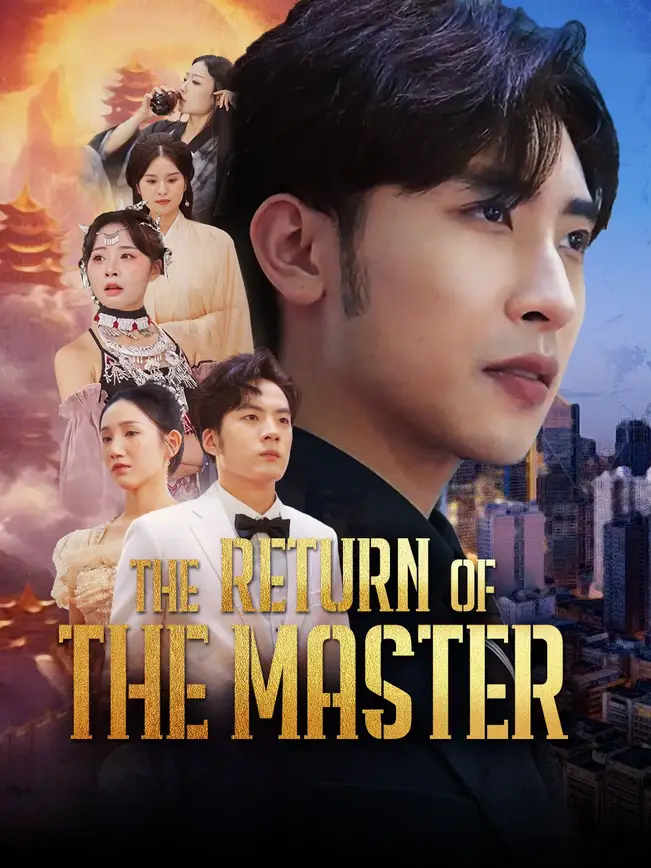


Return of the King

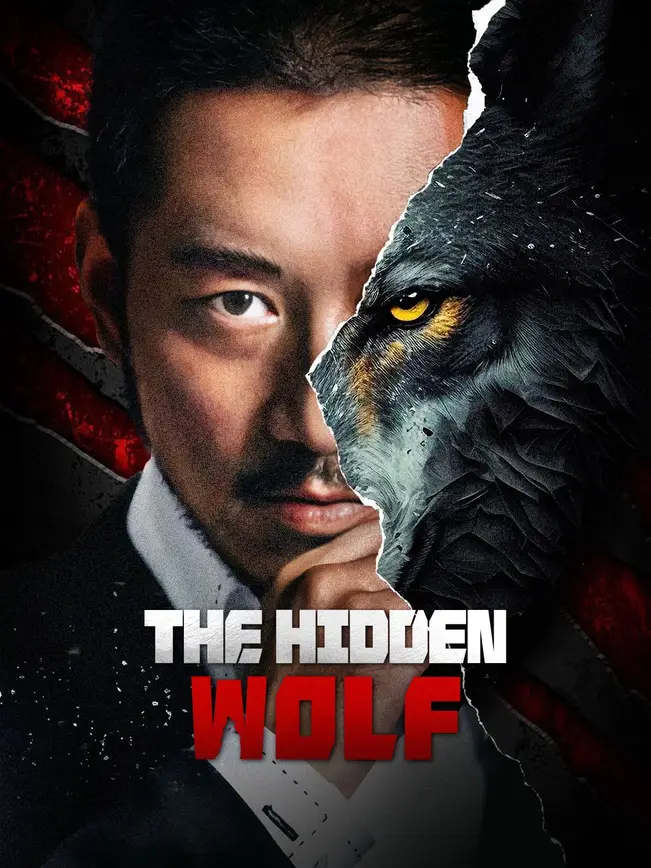

Feel-Good

 Download