



Power Play


.png~tplv-vod-rs:651:868.webp)

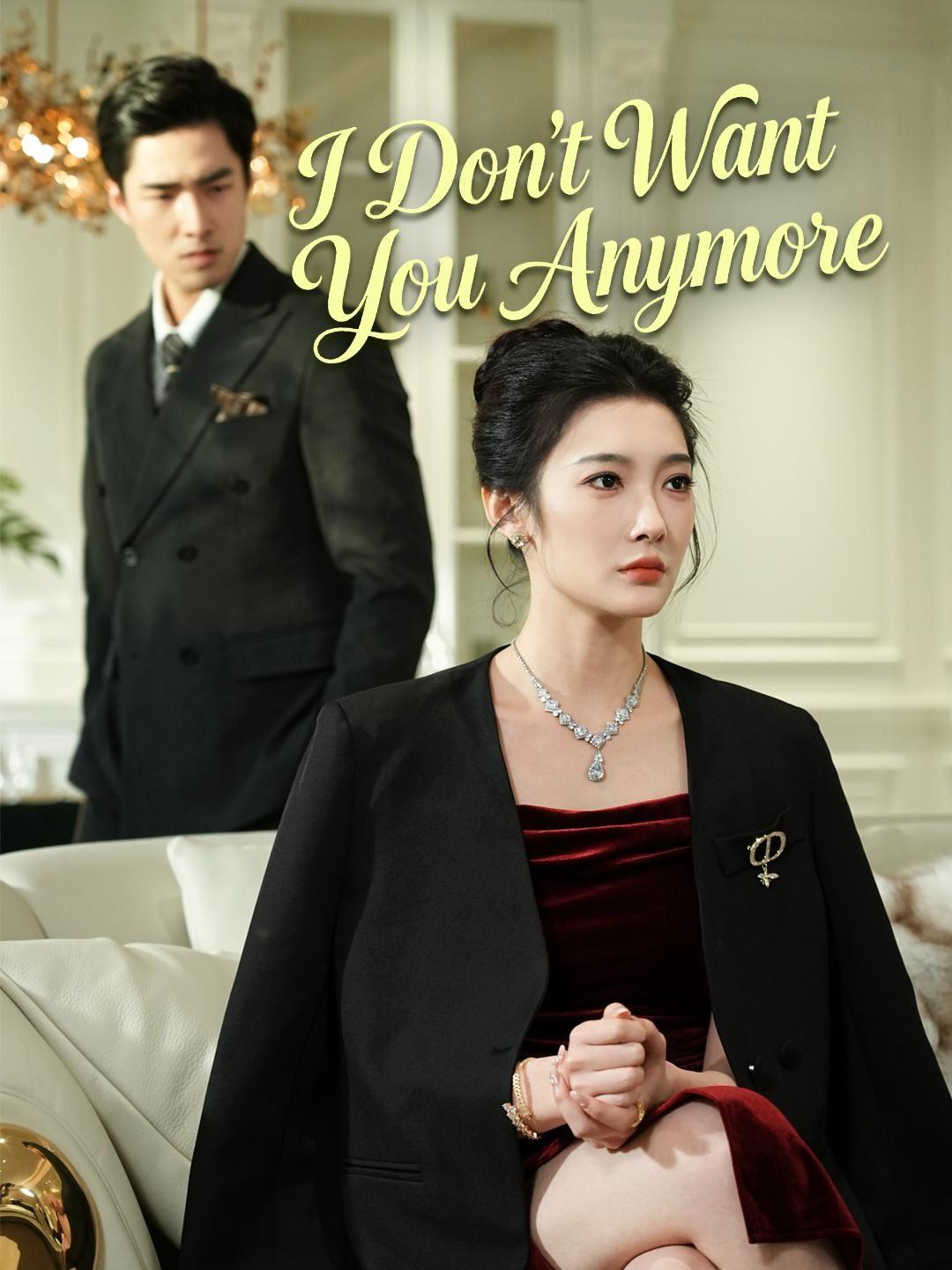
When Power Dynamics Flip
Uncle-in-law Wants Me delivers a masterclass in emotional reversal. He starts kneeling, offering a ring like a supplicant. By scene's end, she's on top—literally and metaphorically. The kiss isn't tender; it's territorial. And that CD belt? Symbolic armor. She didn't accept his proposal—she claimed control. Brilliant subversion of tropes.
Luxury as Emotional Armor
Every frame of Uncle-in-law Wants Me screams high-stakes intimacy. Her black blazer with gold CD buckle isn't fashion—it's fortification. His vest and tie? A uniform of submission disguised as sophistication. When she kisses him, it's not love—it's conquest. The real story isn't in their words, but in what they're wearing while saying nothing.
The Kiss That Wasn't Romantic
Don't be fooled by the close-ups in Uncle-in-law Wants Me. That kiss? It's not passion—it's punishment. She leans in not to embrace him, but to remind him who holds the reins. His surprised expression says it all: he thought he was winning, but she just rewrote the rules. Short, sharp, and devastatingly effective storytelling.
Silent Screams in Designer Clothes
Uncle-in-law Wants Me thrives on unspoken warfare. No shouting, no tears—just a woman adjusting her belt after being kissed, and a man staring up like he's been checkmated. The elegance is the weapon. Every glance, every touch, every pause carries weight. This isn't melodrama; it's minimalist psychological thriller dressed in couture.
He Proposed. She Took Over.
In Uncle-in-law Wants Me, the proposal is merely the opening move. He thinks he's sealing a deal; she sees it as an invitation to dominate. The way she mounts him on the couch isn't seduction—it's strategy. And when she wipes her lips afterward? That's not disgust—it's declaration. She didn't say yes. She said 'mine.'
