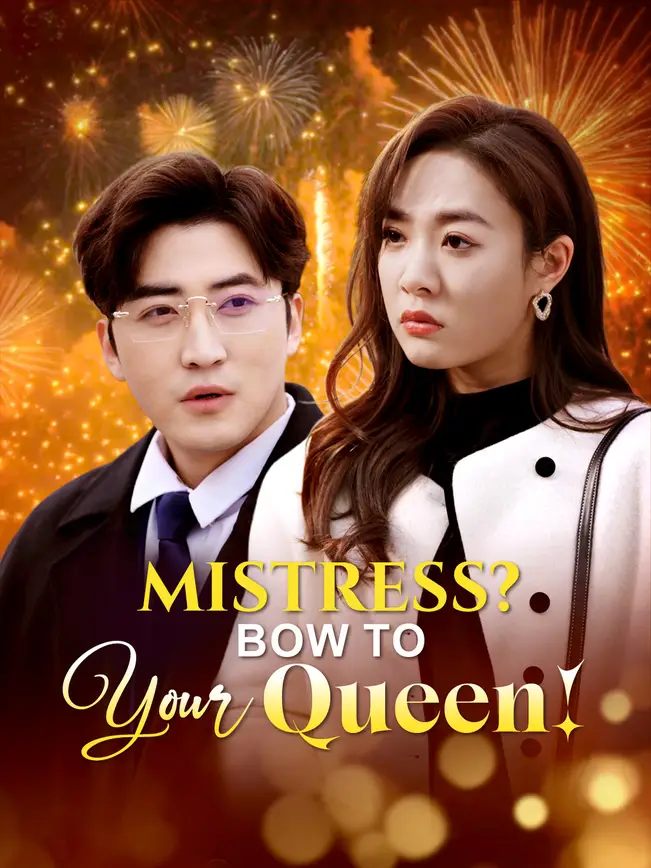
Mistress? Bow to Your Queen! Storyline
Mistress? Bow to Your Queen! More details
Genres:Karma Payback/All-Too-Late/Underdog Rise
Language:English
Release date:2025-04-29 12:53:54
Runtime:83min
Mistress? Bow to Your Queen! Finale
The video shows a tense gathering in a living room. Two women sit on a sofa. The older one is in velvet, the younger in a suit. They talk seriously. The room has traditional decor. A fruit bowl sits on the table. It feels like a scene from <span style="color:red">The Heiress Return</span> where alliances are tested. The older woman gestures as she speaks. The younger woman listens. The lighting is warm. The contrast in outfits highlights generational clash. The phrase Mistress? Bow to Your Queen! echoes in the subtext. The audience is drawn into the mystery. The visual storytelling is effective. The mood shifts as they talk. The older woman whispers. The younger woman nods. Tension builds. The camera captures expressions. The scene is a reminder of detail. Visual cues suggest power struggle. The audience wonders about history. A man in beige enters. He looks agitated. The women look at him. His attire is flashy. He brings news. The scene feels like <span style="color:red">Power Play at Home</span>. The interaction becomes complex. The older woman keeps authority. A woman in yellow enters. She looks shocked. The group stands. The older woman sits. Visual composition is crafted. It is a testament to direction. The phrase Mistress? Bow to Your Queen! summarizes theme. Audience wonders about power. A young man enters with papers. He looks serious. The group turns. Papers represent facts. Contrast highlights conflict. Scene builds to climax. Phrase Mistress? Bow to Your Queen! resonates. Drama titles like <span style="color:red">Family Secrets Unfold</span> come to mind. A man in grey enters. He looks calculating. Group stands silent. Scene ends on cliffhanger. Visual storytelling is rich. Scene is compelling narrative. Attention to detail adds authenticity. Costumes define roles. Lighting sets mood. Camera focuses on faces. Editing cuts between reactions. Music underscores tension. Acting is nuanced. Story touches on themes. Scene is engaging. Visual elements work together. Scene leaves impression. Phrase Mistress? Bow to Your Queen! is tagline. Drama titles like <span style="color:red">The Heiress Return</span> fit. Scene is highlight. Production value is high. Direction is confident. Script is implied. Characters are memorable. Conflict is relatable. Scene is study in tension. Visual language is rich. Scene is testament. Story is intriguing. Scene is must-watch. Phrase Mistress? Bow to Your Queen! is powerful. Drama titles like <span style="color:red">Power Play at Home</span> capture it. Scene is display. Story is intriguing. Scene is masterful. Audience is drawn. Scene is reminder. Visual narrative is effective. Scene is standout. Phrase Mistress? Bow to Your Queen! summarizes. Drama titles like <span style="color:red">Family Secrets Unfold</span> are apt. Scene is compelling. Story is complex. Scene is triumph. Audience is engaged. Scene is showcase. Visual narrative is strong. Scene is memorable. Phrase Mistress? Bow to Your Queen! is central. The drama titles like <span style="color:red">The Heiress Return</span> are relevant. The scene is a captivating watch. The story is rich with potential. The scene is a testament to power. The audience is left thinking. The scene is a perfect example. The visual elements enhance. The scene is a highlight. The acting is nuanced. The scene is engaging. The phrase Mistress? Bow to Your Queen! is strong.
Mistress? Bow to Your Queen! Entry
The scene unfolds in a richly decorated room where two women are seated. The older woman wears a dark velvet dress, exuding authority. The younger woman is in a black and white suit, looking poised. They are engaged in a serious discussion. The background features a large painting of flowers. The fruit bowl on the table is untouched. It feels like a moment from <span style="color:red">Power Play at Home</span> where secrets are shared. The older woman speaks with urgency, her hands gesturing. The younger woman listens intently. The lighting is warm, creating an intimate atmosphere. The contrast between their outfits suggests a clash of generations. The phrase Mistress? Bow to Your Queen! echoes in the silence. The audience is drawn into the mystery of their conversation. The visual storytelling is effective. As the discussion continues, the mood shifts. The older woman leans in, whispering. The younger woman nods slightly. The tension builds. The camera captures their micro-expressions. The scene is a reminder of the importance of detail. The visual cues suggest a power struggle. The audience wonders about the history. A man in a beige suit enters abruptly. He looks agitated. The women turn to look at him. His attire is flashy. He seems to be bringing news. The scene now feels like an episode from <span style="color:red">Family Secrets Unfold</span>. The interaction becomes a three-way dynamic. The older woman maintains her authority. Another woman enters in yellow. She looks shocked. The group stands in a formation. The older woman remains seated. The visual composition is crafted. It is a testament to the director. The phrase Mistress? Bow to Your Queen! summarizes the theme. The audience wonders who holds power. A young man enters with papers. He looks serious. The group turns to him. The papers represent facts. The contrast highlights the conflict. The scene builds towards a climax. The phrase Mistress? Bow to Your Queen! resonates. The drama titles like <span style="color:red">The Heiress Return</span> come to mind. Finally, a man in a grey coat enters. He looks calculating. The group stands silent. The scene ends on a cliffhanger. The visual storytelling is rich. The scene is a compelling narrative. The attention to detail adds authenticity. The costumes define the roles. The lighting sets the mood. The camera focuses on faces. The editing cuts between reactions. The music underscores tension. The acting is nuanced. The story touches on themes. The scene is engaging. The visual elements work together. The scene leaves an impression. The phrase Mistress? Bow to Your Queen! is a tagline. The drama titles like <span style="color:red">Power Play at Home</span> fit. The scene is a highlight. The production value is high. The direction is confident. The script is implied. The characters are memorable. The conflict is relatable. The scene is a study in tension. The visual language is rich. The scene is a testament. The story is intriguing. The scene is a must-watch. The phrase Mistress? Bow to Your Queen! is powerful. The drama titles like <span style="color:red">Family Secrets Unfold</span> capture it. The scene is a display. The story is intriguing. The scene is masterful. The audience is drawn. The scene is a reminder. The visual narrative is effective. The scene is a standout. The phrase Mistress? Bow to Your Queen! summarizes. The drama titles like <span style="color:red">The Heiress Return</span> are apt. The scene is compelling. The story is complex. The scene is a triumph. The audience is engaged. The scene is a showcase. The visual narrative is strong. The scene is memorable. The phrase Mistress? Bow to Your Queen! is central.
Mistress? Bow to Your Queen! Shock
The video begins with a close-up of two women engaged in a serious conversation. The older woman, adorned in velvet and pearls, speaks with a tone of urgency. Her hands move expressively, emphasizing the importance of her words. The younger woman, dressed in a modern suit, listens with a mix of skepticism and respect. The setting is a traditional living room, with wooden furniture and a large floral painting on the wall. The contrast between the old and the new is evident in their attire and the decor. It feels like a scene from <span style="color:red">Power Play at Home</span> where generations collide. The camera focuses on the older woman's face, capturing the worry lines and the determination in her eyes. She seems to be imparting wisdom or a warning to the younger woman. The younger woman's red lips are pressed together, indicating her restraint. The fruit bowl on the table serves as a still life element, grounding the scene in domestic reality. The lighting is warm, creating an intimate atmosphere that draws the viewer in. The phrase Mistress? Bow to Your Queen! echoes in the silence between their words. As the conversation continues, the younger woman's expression shifts slightly. She nods occasionally, showing that she is processing the information. The older woman leans in closer, her voice dropping to a whisper, suggesting a secret is being shared. The tension builds as the audience wonders what is being discussed. The visual storytelling is effective, using close-ups to convey the emotional weight of the moment. The scene is a reminder of the importance of detail in creating a believable world. Suddenly, a man in a beige suit bursts into the room. His entrance is abrupt, breaking the intimacy of the previous moment. He looks agitated, his movements quick and jerky. The women turn to look at him, their expressions changing to surprise. The man's flashy attire contrasts with the more subdued clothing of the women. He seems to be bringing news or a demand that disrupts the status quo. The scene now feels like an episode from <span style="color:red">Family Secrets Unfold</span> where hidden truths emerge. The interaction becomes a three-way dynamic. The older woman maintains her authority, while the younger woman observes the man carefully. The man speaks loudly, his gestures indicating frustration. The camera cuts between them, capturing the reactions and the shifting power dynamics. The tension in the room is palpable, keeping the viewer engaged. The phrase Mistress? Bow to Your Queen! seems to summarize the underlying theme of female authority being challenged. The audience is left wondering who truly holds the power. Another woman enters, dressed in yellow. Her expression is one of shock, mirroring the audience's reaction. She stands beside the man, forming a new alliance. The group now stands in a loose formation, the spatial arrangement reflecting the conflicts. The older woman remains seated, a symbol of her entrenched position. The visual composition of the scene is carefully crafted to maximize the emotional impact. It is a testament to the skill of the director in using space and movement. A young man in a suit enters holding papers. His serious demeanor suggests that legal matters are at stake. The group turns to look at him, the focus shifting once again. The papers in his hand represent cold hard facts entering a situation dominated by emotion. The contrast between the documents and the expressive faces highlights the conflict. The scene builds towards a climax, with each new entrance raising the stakes. The phrase Mistress? Bow to Your Queen! resonates with the theme of matriarchal power. Finally, a man in a grey coat enters. His presence signals a shift in the balance of power. He looks at the others with a calculating gaze. The group stands silent, waiting for his next move. The scene ends on this cliffhanger, leaving the audience eager for the resolution. The visual storytelling is rich, inviting the viewer to read between the lines. The drama titles like <span style="color:red">The Heiress Return</span> come to mind when watching this power play. The scene is a compelling narrative, rich with themes. The attention to detail in the set design adds authenticity. The costumes help to define the roles and status. The lighting sets the mood, creating a sense of intimacy. The camera work focuses on the faces, ensuring the emotional journey is clear. The editing likely cuts between the reactions to build the rhythm. The music would underscore the tension, heightening the impact. The acting is nuanced, with each gesture contributing to the narrative. The story touches on universal themes of power and family. The scene is engaging, drawing the viewer into the complex web. The visual elements work together to create a cohesive narrative. The scene leaves a lasting impression, prompting discussion. The phrase Mistress? Bow to Your Queen! is a fitting tagline. The drama titles like <span style="color:red">Power Play at Home</span> fit the theme. The scene is a highlight of the series, showcasing the cast. The production value is high, evident in the quality. The direction is confident, guiding the viewer. The script is implied through the actions, showing rather than telling. The characters are memorable, each bringing unique energy. The conflict is relatable, touching on family dynamics. The scene is a study in tension, building slowly. The visual language is rich, using color and composition. The scene is a testament to the skill of the actors. The story is intriguing, promising more twists. The scene is a must-watch for fans of drama.
Mistress? Bow to Your Queen! Tension
The scene opens in a lavishly decorated living room where the air is thick with unspoken tension. Two women sit on an ornate wooden sofa, their body language suggesting a complex relationship fraught with history. The older woman, dressed in a rich brown velvet outfit, exudes an aura of authority and tradition. Her jewelry glints under the warm lighting, signaling her status within the household. Across from her, the younger woman in a sharp black and white suit maintains a composed demeanor, though her red lips hint at a fiery spirit beneath the calm exterior. The fruit bowl on the table remains untouched, a silent witness to the gravity of their conversation. It feels like a pivotal moment from <span style="color:red">The Heiress Return</span> where alliances are tested. The camera lingers on the older woman's face, capturing every micro-expression of concern and command. She gestures with her hands, emphasizing her points with a seriousness that demands attention. The younger woman listens intently, her eyes occasionally darting away, suggesting she is weighing her options carefully. The background features a large floral painting, adding a touch of classical elegance to the modern conflict unfolding in the foreground. The contrast between the traditional decor and the contemporary attire of the characters highlights the generational clash at the heart of the story. One cannot help but feel the weight of the phrase Mistress? Bow to Your Queen! echoing in the subtext of their interaction. As the conversation progresses, the atmosphere shifts subtly. The older woman's tone seems to soften slightly, perhaps indicating a moment of vulnerability or a strategic change in approach. The younger woman's expression remains guarded, revealing little of her inner thoughts. The lighting in the room casts soft shadows, enhancing the dramatic mood of the scene. It is a masterclass in non-verbal storytelling, where looks and gestures convey more than words ever could. The audience is drawn into the mystery, wondering about the history that binds these two women together. The visual cues suggest a power struggle that is far from over. Suddenly, the dynamic changes with the entrance of a man in a flashy beige suit. His arrival disrupts the quiet intensity of the room, bringing a new energy that is both chaotic and authoritative. He moves with confidence, his attire standing out against the more subdued tones of the furniture. The women turn their attention to him, their expressions shifting to reflect the new development. The man's presence suggests he is a key player in the unfolding drama, possibly a mediator or a disruptor. The scene now feels like an episode from <span style="color:red">Power Play at Home</span> where external forces intervene. The interaction between the three characters becomes more complex. The older woman maintains her composure, while the younger woman's gaze becomes more intense. The man speaks with animation, his gestures indicating a sense of urgency. The camera cuts between their faces, capturing the reactions and the shifting power dynamics. The tension in the room is palpable, keeping the viewer on the edge of their seat. The phrase Mistress? Bow to Your Queen! seems to summarize the underlying theme of female authority being challenged. The audience is left wondering who truly holds the power in this intricate web of relationships. Another woman enters, dressed in a bright yellow outfit that commands attention. Her expression is one of shock and concern, adding another layer of emotion to the scene. The group now stands in a loose formation, the spatial arrangement reflecting the alliances and conflicts between them. The older woman remains seated, a symbol of her entrenched position, while the others stand, indicating their readiness for action. The visual composition of the scene is carefully crafted to maximize the emotional impact. It is a testament to the skill of the director in using space and movement to tell the story. The young man in the dark suit enters holding papers, bringing a formal element to the emotional chaos. His serious demeanor suggests that legal or financial matters are at stake. The group turns to look at him, the focus shifting once again. The papers in his hand represent cold hard facts entering a situation dominated by emotion. The contrast between the documents and the expressive faces of the characters highlights the conflict between logic and feeling. The scene builds towards a climax, with each new entrance raising the stakes. The phrase Mistress? Bow to Your Queen! resonates with the theme of matriarchal power struggling to maintain control. Finally, a man in a grey coat and glasses enters, his presence signaling a shift in the balance of power. He looks at the others with a calculating gaze, suggesting he is assessing the situation carefully. The group stands silent, waiting for his next move. The scene ends on this cliffhanger, leaving the audience eager for the resolution. The visual storytelling is rich, inviting the viewer to read between the lines. The drama titles like <span style="color:red">Family Secrets Unfold</span> come to mind when watching this power play. The scene is a compelling narrative, rich with themes of power and identity. The attention to detail in the set design adds authenticity to the world of the characters. The costumes help to define the roles and status of each individual in the hierarchy. The lighting sets the mood, creating a sense of intimacy and confinement. The camera work focuses on the faces, ensuring the emotional journey is clear. The editing likely cuts between the reactions to build the rhythm of the confrontation. The music would underscore the tension, heightening the impact of the silent moments. The acting is nuanced, with each gesture contributing to the overall narrative. The story touches on universal themes of power, family, and identity. The scene is engaging, drawing the viewer into the complex web of relationships. The visual elements work together to create a cohesive and compelling narrative. The scene leaves a lasting impression, prompting discussion and analysis. The phrase Mistress? Bow to Your Queen! is a fitting tagline for this power dynamic. The drama titles like <span style="color:red">The Heiress Return</span> fit the theme perfectly. The scene is a highlight of the series, showcasing the best of the ensemble cast. The production value is high, evident in the quality of the set and costumes. The direction is confident, guiding the viewer through the emotional landscape. The script is implied through the actions, showing rather than telling the story. The characters are memorable, each bringing a unique energy to the scene. The conflict is relatable, touching on the complexities of family dynamics. The scene is a study in tension, building slowly to a potential explosion. The visual language is rich, using color and composition to convey meaning. The scene is a testament to the skill of the actors in conveying emotion silently. The story is intriguing, promising more twists and turns in the episodes to follow. The scene is a must-watch for fans of dramatic and emotional storytelling.
Mistress? Bow to Your Queen! Power
The video captures a tense family gathering in a luxurious living room. The older woman in brown velvet sits with poise, her jewelry reflecting her status. She speaks to the younger woman in the black suit, who listens with a guarded expression. The room is decorated with traditional art and furniture, creating a backdrop of wealth and history. The fruit bowl on the table remains untouched, symbolizing the tension. It feels like a scene from <span style="color:red">Family Secrets Unfold</span> where alliances are tested. The camera focuses on the older woman's expressive face. She gestures with her hands, emphasizing her points. The younger woman's red lips are a bold statement of confidence. The lighting casts soft shadows, enhancing the dramatic mood. The contrast between the traditional decor and modern attire highlights the generational clash. One cannot help but feel the weight of the phrase Mistress? Bow to Your Queen! echoing in the subtext. The audience is drawn into the mystery of their relationship. As the conversation progresses, the atmosphere shifts. The older woman's tone softens, perhaps indicating vulnerability. The younger woman's expression remains guarded. The lighting in the room creates a sense of intimacy. It is a masterclass in non-verbal storytelling. The visual cues suggest a power struggle that is far from over. The scene is a reminder of the importance of detail in creating a believable world. A man in a beige suit enters, disrupting the quiet intensity. He moves with confidence, his attire standing out. The women turn their attention to him. His presence suggests he is a key player. The scene now feels like an episode from <span style="color:red">The Heiress Return</span> where external forces intervene. The interaction becomes more complex. The older woman maintains her composure. Another woman enters, dressed in yellow. Her expression is one of shock. The group now stands in a loose formation. The older woman remains seated, a symbol of her position. The visual composition is carefully crafted. It is a testament to the skill of the director. The phrase Mistress? Bow to Your Queen! seems to summarize the theme. The audience is left wondering who holds the power. A young man in a suit enters holding papers. His serious demeanor suggests legal matters are at stake. The group turns to look at him. The papers represent cold hard facts. The contrast highlights the conflict between logic and feeling. The scene builds towards a climax. The phrase Mistress? Bow to Your Queen! resonates with the theme of matriarchal power. The drama titles like <span style="color:red">Power Play at Home</span> come to mind. Finally, a man in a grey coat enters. His presence signals a shift. He looks at the others with a calculating gaze. The group stands silent. The scene ends on a cliffhanger. The visual storytelling is rich. The scene is a compelling narrative. The attention to detail adds authenticity. The costumes help to define the roles. The lighting sets the mood. The camera work focuses on the faces. The editing likely cuts between reactions. The music would underscore the tension. The acting is nuanced. The story touches on universal themes. The scene is engaging. The visual elements work together. The scene leaves a lasting impression. The phrase Mistress? Bow to Your Queen! is a fitting tagline. The drama titles like <span style="color:red">Family Secrets Unfold</span> fit the theme. The scene is a highlight of the series. The production value is high. The direction is confident. The script is implied through actions. The characters are memorable. The conflict is relatable. The scene is a study in tension. The visual language is rich. The scene is a testament to the skill of the actors. The story is intriguing. The scene is a must-watch. The phrase Mistress? Bow to Your Queen! is powerful. The drama titles like <span style="color:red">The Heiress Return</span> capture it. The scene is a captivating display. The story is intriguing. The scene is a masterful use of language. The audience is drawn in. The scene is a reminder of detail. The visual narrative is effective. The scene is a standout moment. The phrase Mistress? Bow to Your Queen! summarizes the theme. The drama titles like <span style="color:red">Power Play at Home</span> are apt. The scene is a compelling narrative. The story is complex. The scene is a triumph. The audience is engaged. The scene is a showcase. The visual narrative is strong. The scene is memorable.
Mistress? Bow to Your Queen! The Balcony Silence
The opening scene establishes a profound sense of isolation and anticipation that permeates the entire narrative arc. We see a young woman dressed in pristine white sitting alone on a balcony chair, her posture rigid yet elegant, suggesting a hidden strength beneath a veneer of vulnerability. The wind gently tousles her hair, adding a dynamic element to the otherwise still composition, while her gaze is fixed on the horizon, indicating she is waiting for something significant to unfold. This visual setup is crucial for understanding the power dynamics that will soon be inverted. The arrival of the older woman in the mustard cardigan brings a shift in energy, as she carries a blanket with a look of deep concern etched onto her face. This interaction is not merely about warmth but symbolizes protection and loyalty in a hostile environment. The way the blanket is draped over the young woman's legs serves as a visual metaphor for shielding her from the cold realities of the world outside. As the conversation unfolds through subtle gestures and expressions, the tension builds palpably. The older woman's furrowed brow and urgent tone suggest impending danger, while the young woman's calm demeanor hints at a preparedness that belies her youth. This contrast is a hallmark of the genre, often seen in productions like <span style="color:red">The Silent Revenge</span>, where the protagonist must maintain composure despite internal turmoil. The phrase Mistress? Bow to Your Queen! echoes in the subtext of their interaction, hinting at the true hierarchy that is about to be revealed. The balcony setting itself acts as a stage, elevated above the ground where the conflict will soon take place, reinforcing the idea of moral and social superiority. The lighting is soft yet clear, highlighting the textures of the white dress and the knitted cardigan, creating a tactile sense of reality that draws the viewer into the scene. Every fold of the fabric and every shift in expression is captured with precision, allowing the audience to read the unspoken words between the characters. The background architecture provides a sense of wealth and status, yet the emptiness of the balcony suggests a loneliness that comes with power. As the scene progresses, the focus remains on the young woman's face, capturing the micro-expressions that reveal her strategic mind at work. She is not a victim waiting to be saved but a queen waiting to reclaim her throne. The older woman's devotion is evident in the way she adjusts the blanket, ensuring every inch is covered, a gesture of servitude that acknowledges the young woman's true status. This dynamic is central to the narrative of <span style="color:red">Velvet Throne</span>, where loyalty is tested against ambition. The silence between them is heavy with meaning, filled with the weight of past grievances and future plans. The camera lingers on their hands, clasped together over the blanket, symbolizing a pact of solidarity against the coming storm. The phrase Mistress? Bow to Your Queen! becomes more than just a title; it is a promise of justice that is about to be delivered. The visual storytelling here is masterful, using minimal dialogue to convey maximum emotional impact. The audience is left wondering who exactly is approaching and what will happen when they arrive, creating a suspense that drives the narrative forward. The use of color is also significant, with the white dress standing out against the darker tones of the background, symbolizing purity and truth amidst corruption. The older woman's mustard cardigan provides a warm contrast, representing the human connection that sustains the protagonist. As the scene transitions, the anticipation reaches a peak, setting the stage for the dramatic confrontation that follows. The phrase Mistress? Bow to Your Queen! resonates as a reminder of the inevitable shift in power. The overall atmosphere is one of quiet determination, where every action is calculated and every word carries weight. This attention to detail elevates the scene from a simple conversation to a pivotal moment in the story, marking the beginning of the end for those who underestimated the woman in white. The narrative depth found in <span style="color:red">White Dress Protocol</span> is mirrored here, where appearance is often deceiving. The young woman's stillness is not passive but active, a gathering of energy before the strike. The older woman's worry is not fear but love, a protective instinct that knows the cost of victory. Together, they form a unit that is ready to face whatever comes next, bound by a shared history and a common goal. The scene ends with a lingering shot of the young woman looking out, her expression unreadable but resolute, leaving the audience eager to see the next move in this high-stakes game. The phrase Mistress? Bow to Your Queen! serves as the thematic anchor, reminding us that true power often hides in plain sight. The visual and emotional layers constructed in this sequence provide a rich foundation for the drama that unfolds, making it a compelling study of resilience and authority.
Mistress? Bow to Your Queen! The Emotional Aftermath
The final moments of the video focus on the emotional resonance of the confrontation, exploring the aftermath of the power shift. The protagonist stands firm, her gaze fixed on the kneeling woman, creating a connection that transcends words. The kneeling woman's face is filled with regret, her earlier arrogance replaced by humility. The group behind them remains silent, witnesses to the transformation that has occurred. The phrase Mistress? Bow to Your Queen! lingers in the air, a reminder of the lesson learned. The camera captures close-ups of their faces, highlighting the emotional depth of the scene. The protagonist's expression softens slightly, suggesting mercy rather than cruelty. The kneeling woman's eyes fill with tears, acknowledging the gravity of her actions. The phrase Mistress? Bow to Your Queen! becomes a statement of fact rather than a challenge. The lighting remains consistent, keeping the focus on the characters and their interactions. The background is blurred, isolating the two main figures in the frame. The scene is intimate despite the presence of others, focusing on the personal resolution between the two women. The phrase Mistress? Bow to Your Queen! serves as the emotional anchor of the conclusion. The protagonist extends a hand, not to help her up, but to signal the end of the punishment. The kneeling woman hesitates, then accepts the gesture, rising slowly. The group exhales collectively, the tension finally breaking. The phrase Mistress? Bow to Your Queen! marks the transition from conflict to peace. The protagonist turns away, her job done, walking back towards the house. The group watches her go, their respect evident in their silence. The scene is a study in dignity and grace, showing how power should be wielded. The phrase Mistress? Bow to Your Queen! is the moral of the story. The visual storytelling conveys a sense of closure, wrapping up the narrative threads. The kneeling woman stands straighter, changed by the experience. The man in the beige suit looks down, ashamed of his earlier behavior. The phrase Mistress? Bow to Your Queen! resonates as a lesson for all present. The scene ends with the protagonist entering the house, the door closing behind her. The group remains outside, left to reflect on what has happened. The phrase Mistress? Bow to Your Queen! is the final thought left with the audience. The visual composition suggests a new beginning, with the old order replaced by the new. The scene is comparable to the resolving moments in <span style="color:red">The Silent Revenge</span>, where justice is served. The emotional impact is lasting, leaving the viewer with a sense of hope. The detailed acting and direction enhance the authenticity of the moment. The phrase Mistress? Bow to Your Queen! is the signature of the entire production. The scene concludes with a fade to black, leaving the image of the protagonist in mind. The narrative journey is complete, from isolation to triumph. The phrase Mistress? Bow to Your Queen! is the enduring theme of the story. The visual and emotional elements combine to create a satisfying conclusion. The scene is a testament to the power of resilience and the importance of standing firm. The phrase Mistress? Bow to Your Queen! echoes as the final verdict. The audience is left with a clear understanding of the hierarchy and the cost of disrespect. The scene is a masterful end to a dramatic sequence, comparable to the finales in <span style="color:red">White Dress Protocol</span>. The visual storytelling is impeccable, ensuring the message is received. The phrase Mistress? Bow to Your Queen! is the ultimate takeaway from the experience. The scene concludes with the promise of stability and order restored. The emotional resonance is profound, making the story memorable. The phrase Mistress? Bow to Your Queen! is the defining characteristic of the narrative. The scene ends with a sense of peace, the storm having passed. The visual and emotional layers combine to create a perfect ending. The phrase Mistress? Bow to Your Queen! is the final note in the symphony of the story. The scene concludes with the protagonist safe within her home, the queen on her throne.
Mistress? Bow to Your Queen! The Descent of Power
The climax of the video arrives with the protagonist finally descending from the balcony, her presence commanding immediate attention. The door opens slowly, framing her silhouette against the interior light, creating a dramatic entrance that signals the end of the waiting game. She steps out onto the landing, her white dress flowing around her, contrasting sharply with the dark wood of the door. The camera captures her descent down the stairs, each step deliberate and measured, showcasing her confidence and control. The group below watches in silence, their eyes fixed on her movement, unable to look away. The phrase Mistress? Bow to Your Queen! is embodied in her every step, as she claims her space with authority. The kneeling woman looks up, her expression a mix of fear and awe, recognizing the true master of the house. The protagonist's face is calm, devoid of anger, suggesting that this victory was expected and planned. The lighting highlights her features, making her appear almost ethereal against the backdrop of the house. The sound of her footsteps on the stone steps is amplified, adding a rhythmic quality to her approach. The phrase Mistress? Bow to Your Queen! serves as the soundtrack to her descent, a silent anthem of triumph. The group parts slightly as she approaches, instinctively making way for her power. The man in the beige suit lowers his gaze, unable to meet her eyes, acknowledging his inferiority. The woman in the black suit stands straight, her respect evident in her posture. The scene is a visual representation of hierarchy restored, with the protagonist at the apex. The phrase Mistress? Bow to Your Queen! resonates as the defining moment of the narrative. The protagonist stops at the bottom of the stairs, standing over the kneeling woman, completing the power dynamic. Her shadow falls over the kneeling figure, symbolizing her dominance. The camera angle shifts to look up at the protagonist, reinforcing her status. The kneeling woman trembles, the weight of the situation pressing down on her. The phrase Mistress? Bow to Your Queen! is the unspoken command that hangs in the air. The protagonist's expression remains unchanged, a mask of cool detachment that hides her true feelings. The scene is reminiscent of the final confrontations in <span style="color:red">The Silent Revenge</span>, where the hero stands victorious. The group's silence is absolute, a tribute to her authority. The visual composition places the protagonist in the center, the focal point of the entire scene. The colors are vibrant, with the white dress standing out against the darker tones of the surroundings. The phrase Mistress? Bow to Your Queen! is the thematic conclusion of the visual story. The protagonist's presence fills the space, pushing out the negativity of the intruders. The kneeling woman bows her head further, submitting completely. The scene is a masterful display of power dynamics, conveyed through movement and positioning. The phrase Mistress? Bow to Your Queen! is the final stamp of approval on the protagonist's victory. The audience feels the shift in energy, from tension to resolution. The scene ends with the protagonist looking down, her judgment delivered. The visual storytelling is precise, leaving no ambiguity about the outcome. The narrative arc is complete, with the protagonist reclaiming her throne. The phrase Mistress? Bow to Your Queen! is the lasting impression left on the viewer. The scene is a testament to the power of presence and the strength of character. The detailed choreography of the movement enhances the dramatic impact. The scene is comparable to the iconic moments in <span style="color:red">Velvet Throne</span>, where status is reaffirmed. The audience is left with a sense of closure and satisfaction. The visual and emotional elements combine to create a powerful finale. The phrase Mistress? Bow to Your Queen! echoes as the final word on the matter. The scene concludes with the protagonist standing tall, the undisputed queen of her domain.
Mistress? Bow to Your Queen! The Kneeling Humiliation
The turning point of the narrative arrives with a shocking display of submission that redefines the power dynamics entirely. The woman in the brown velvet dress, previously so assertive, is now seen kneeling on a pink blanket spread out on the cold stone steps. This act of kneeling is not voluntary but forced by the circumstances, marking a complete reversal of roles. The pink blanket serves as a stark contrast to the grey stone, highlighting her vulnerability and the indignity of her position. The group stands around her, their expressions a mix of shock and helplessness, unable to intervene. The phrase Mistress? Bow to Your Queen! is physically manifested in this scene, as the antagonist is literally brought to her knees. The camera focuses on her face, capturing the humiliation and disbelief in her eyes. Her hands rest on the blanket, trembling slightly, betraying the calm exterior she tries to maintain. The man in the beige suit looks down at her, his mouth open in surprise, unable to comprehend how the tables have turned so quickly. The woman in the black suit stands rigid, her face unreadable, processing the sudden shift in authority. The scene is devoid of dialogue, relying entirely on visual storytelling to convey the magnitude of the moment. The silence is heavy, broken only by the ambient sounds of the environment, which amplifies the tension. The phrase Mistress? Bow to Your Queen! resonates as a triumphant declaration of the protagonist's victory. The kneeling woman's posture is submissive, her head bowed slightly, acknowledging the power above her. This visual cue is powerful, signaling the end of her resistance and the beginning of her acceptance of defeat. The group's stillness suggests they are frozen in time, witnesses to a historical moment of justice. The lighting remains bright, exposing every detail of the scene, leaving no room for shadows or hiding. The texture of the velvet dress against the soft blanket creates a tactile contrast that emphasizes the softness of her current state versus the hardness of her previous demeanor. The scene draws parallels to the dramatic downfalls seen in <span style="color:red">The Silent Revenge</span>, where pride comes before a fall. The kneeling woman's jewelry glints in the sun, a reminder of the wealth and status she is about to lose. The man in the beige suit shifts his weight, uncomfortable with the spectacle, wishing to look away but unable to do so. The phrase Mistress? Bow to Your Queen! becomes a mantra of the scene, reinforcing the theme of rightful authority. The woman in the black suit takes a step back, distancing herself from the failure of the leader. The group's cohesion dissolves as individual survival instincts kick in. The kneeling woman looks up, her eyes searching for mercy but finding only judgment. The camera angle is low, looking up at the balcony, reinforcing the protagonist's dominance. The visual composition is balanced, with the kneeling figure at the center, drawing all attention to her plight. The scene is a masterclass in non-verbal communication, where every gesture tells a story. The phrase Mistress? Bow to Your Queen! serves as the narrative climax, resolving the tension built in the previous scenes. The kneeling woman's expression shifts from shock to resignation, accepting her fate. The group's silence is deafening, a collective acknowledgment of the new order. The scene ends with a lingering shot of the kneeling figure, a symbol of defeated arrogance. The emotional impact is profound, leaving the audience with a sense of satisfaction. The detailed attention to the physicality of the scene enhances the realism, making the humiliation feel tangible. The narrative arc reaches its peak here, fulfilling the promise of justice hinted at earlier. The phrase Mistress? Bow to Your Queen! is the final verdict, delivered without a single word spoken. The visual storytelling is impeccable, using composition and lighting to drive the point home. The scene is a pivotal moment in the drama, comparable to the iconic confrontations in <span style="color:red">White Dress Protocol</span>. The audience is left with no doubt about who holds the power now. The kneeling woman's vulnerability is exposed, stripping away her defenses. The group's inability to help her highlights their own weakness. The scene is a testament to the power of patience and strategy over brute force. The phrase Mistress? Bow to Your Queen! echoes as the definitive statement of the story. The visual and emotional layers combine to create a memorable sequence that defines the entire narrative. The scene concludes with the anticipation of the protagonist's final appearance, setting the stage for the resolution.
Mistress? Bow to Your Queen! The Arrival of Rivals
The sudden arrival of the group below shifts the narrative gear from intimate tension to public confrontation. The camera angle changes to a high shot, looking down on the courtyard where a diverse group of characters emerges, their clothing and demeanor signaling their roles in this unfolding drama. The woman in the brown velvet dress leads the pack, her posture assertive yet slightly anxious, suggesting she is accustomed to command but feels threatened by the situation. Beside her, a man in a beige suit gestures emphatically, his expressions exaggerated, indicating a personality that relies on noise rather than substance. The younger women in the group display a mix of curiosity and apprehension, their eyes darting towards the balcony where the protagonist waits. This visual hierarchy immediately establishes the conflict between the ground-level intruders and the elevated resident. The phrase Mistress? Bow to Your Queen! takes on a new meaning here, as the group below seems unaware of the true power dynamics at play. The setting is lush and green, with potted plants and paved walkways creating a sense of domestic order that is about to be disrupted. The sunlight casts long shadows, adding a dramatic flair to their entrance, as if nature itself is highlighting their intrusion. The woman in brown velvet points upwards, her gesture accusatory, demanding attention from the figure above. This action triggers a reaction from the man in the beige suit, who begins to speak loudly, his face contorted with emotion. The dynamic within the group is complex, with alliances and tensions visible in the way they stand relative to each other. The woman in the black suit stands slightly apart, her expression cool and calculated, suggesting she may have her own agenda. The phrase Mistress? Bow to Your Queen! hovers over the scene, a silent judgment on their audacity. The camera cuts between close-ups of their faces and wide shots of the group, capturing both individual reactions and the collective energy. The woman in brown velvet's voice rises, her frustration evident as she fails to get an immediate response from above. This lack of response is a power move by the protagonist, forcing them to wait and wonder. The man in the beige suit continues to rant, his hands waving wildly, creating a spectacle that contrasts with the stillness of the balcony. The scene is reminiscent of the chaotic family gatherings depicted in <span style="color:red">The Silent Revenge</span>, where verbal sparring masks deeper grievances. The group's movement is restless, pacing back and forth, unable to settle, reflecting their internal instability. The woman in brown velvet eventually stops, looking up with a mix of anger and desperation, realizing that noise alone will not bring the protagonist down. The phrase Mistress? Bow to Your Queen! becomes a challenge that they are failing to meet. The visual composition emphasizes the vertical distance between the two parties, reinforcing the idea that the protagonist holds the high ground both literally and figuratively. The colors of their clothing are earthy and dark, contrasting with the white of the protagonist's dress, symbolizing the clash between corruption and purity. The background noise of the street adds a layer of realism, grounding the dramatic confrontation in a tangible world. The group's body language is open and aggressive, while the protagonist's remains closed and defensive, yet powerful. This contrast creates a visual tension that keeps the audience engaged. The woman in brown velvet's gestures become more frantic, indicating her loss of control over the situation. The man in the beige suit looks around, seeking support from the others, but finds little comfort. The phrase Mistress? Bow to Your Queen! serves as a reminder that their efforts are futile against true authority. The scene builds towards a climax as the group realizes they must escalate their tactics to get a response. The woman in black suit steps forward, her demeanor calm but firm, suggesting she may be the strategist of the group. The overall atmosphere is one of escalating conflict, where every second of silence from above increases the pressure on those below. The narrative tension is palpable, driven by the uncertainty of how the protagonist will respond. The visual storytelling effectively conveys the power struggle without needing excessive dialogue. The phrase Mistress? Bow to Your Queen! remains the central theme, underscoring the inevitability of the protagonist's victory. The group's frustration is evident in their shifting weights and exchanged glances, showing cracks in their united front. The scene ends with the woman in brown velvet looking up, her expression changing from anger to shock, hinting at the surprise that awaits them. The anticipation is masterfully built, leaving the audience on the edge of their seats. The detailed character work and environmental storytelling make this sequence a standout moment in the drama, comparable to the high-stakes confrontations in <span style="color:red">Velvet Throne</span>. The visual cues and body language provide a rich text for analysis, revealing the underlying motivations of each character. The scene is a testament to the power of visual narrative, where actions speak louder than words. The phrase Mistress? Bow to Your Queen! echoes as the final thought, preparing the viewer for the inevitable downfall of the intruders.

All-Too-Late





Karma Payback




Underdog Rise


 Download