




When Underdogs With Systems Became the Emotional Safe Zone
Rebirth fantasies and system-driven power-ups aren’t just trendy—they’re emotional coping mechanisms. Viewers right now gravitate toward stories where injustice is obvious, the world is unfair, and the protagonist gets a second framework to rewrite their fate. It’s not subtle escapism; it’s structured revenge therapy.
Beast Tamer: Back to the Origin taps directly into that mood. The pacing is sharp, conflicts hit early, and humiliation isn’t dragged out for aesthetic suffering—it’s fuel. The show understands that modern audiences don’t want slow-burn aristocratic politics. They want to see someone who starts at zero flip the board quickly and intelligently.
What makes it effective isn’t just the “system unlock.” It’s the contrast between extreme poverty and rare talent. Lin Mo doesn’t lack ability—he lacks capital. That detail turns the fantasy into something strangely grounded.
Poverty, Pride, and the Caterpillar That Changed Everything
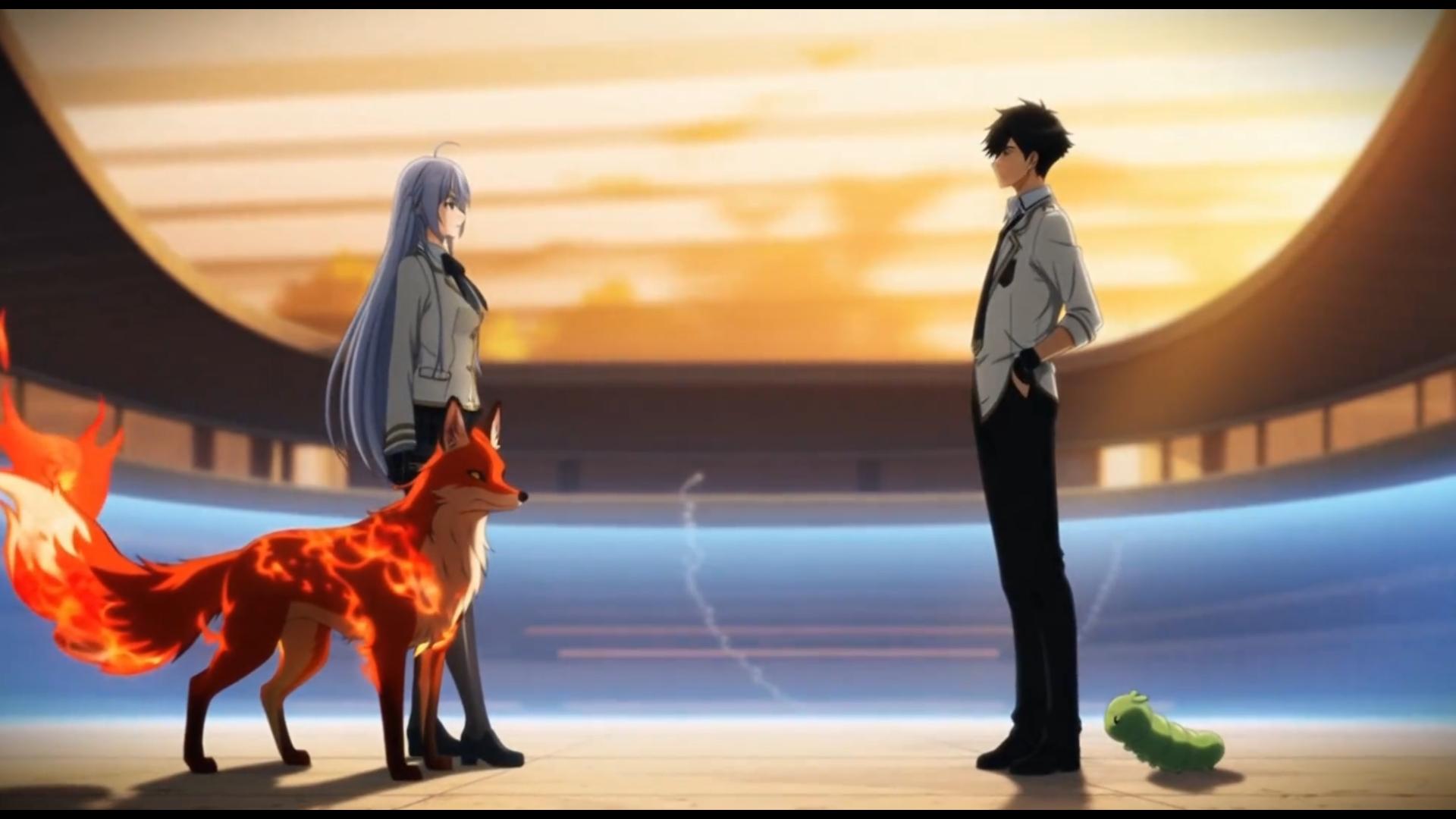
Lin Mo is cast out as an illegitimate son, awakening an all-attribute beast-taming gift so rare it should guarantee glory. Instead, he can’t even afford to bond with a basic spirit beast. Talent without money becomes public humiliation. His school mocks him. His half-brother manipulates the narrative. Even his girlfriend calculates her exit.
The turning point isn’t just the system activation. It’s the moment he chooses not to beg.
There’s a scene where Lin Mo bonds with what everyone considers trash—a lowly caterpillar. It’s laughable. Pathetic. Social suicide. Yet later, that same creature evolves into the Void Azure Dragon, shattering the ranking arena and leaving his half-brother speechless in front of the entire academy. The shock isn’t just visual—it’s ideological. The weakest asset becomes the ultimate weapon.
Compared to traditional cultivation dramas where power comes from lineage or destiny, Beast Tamer: Back to the Origin reframes strength as optimization. Lin Mo doesn’t win because he’s special. He wins because he understands systems—both magical and social.
His half-brother’s betrayal isn’t pure evil either. It’s fear. If legitimacy is the only advantage you have, someone with greater talent is a threat that must be erased.
The Price of Being “Illegitimate” in Any World
Strip away the fantasy layer, and the conflict feels painfully modern. Being labeled “illegitimate” mirrors how society tags people: wrong background, wrong family, wrong connections.
Lin Mo’s biggest obstacle isn’t enemies—it’s structure. Access to resources determines who gets to shine. In real life, talent without funding often stays invisible. The spirit beast contract becomes a metaphor for opportunity. Those who can pay get growth. Those who can’t get lectures about “effort.”
The girlfriend’s betrayal lands because it’s familiar. She doesn’t leave out of cruelty. She leaves for stability. In unstable environments, affection becomes a luxury.
Beast Tamer: Back to the Origin quietly asks a blunt question: if survival is competitive, how moral can choices remain?
Power Systems and the Illusion of Fairness
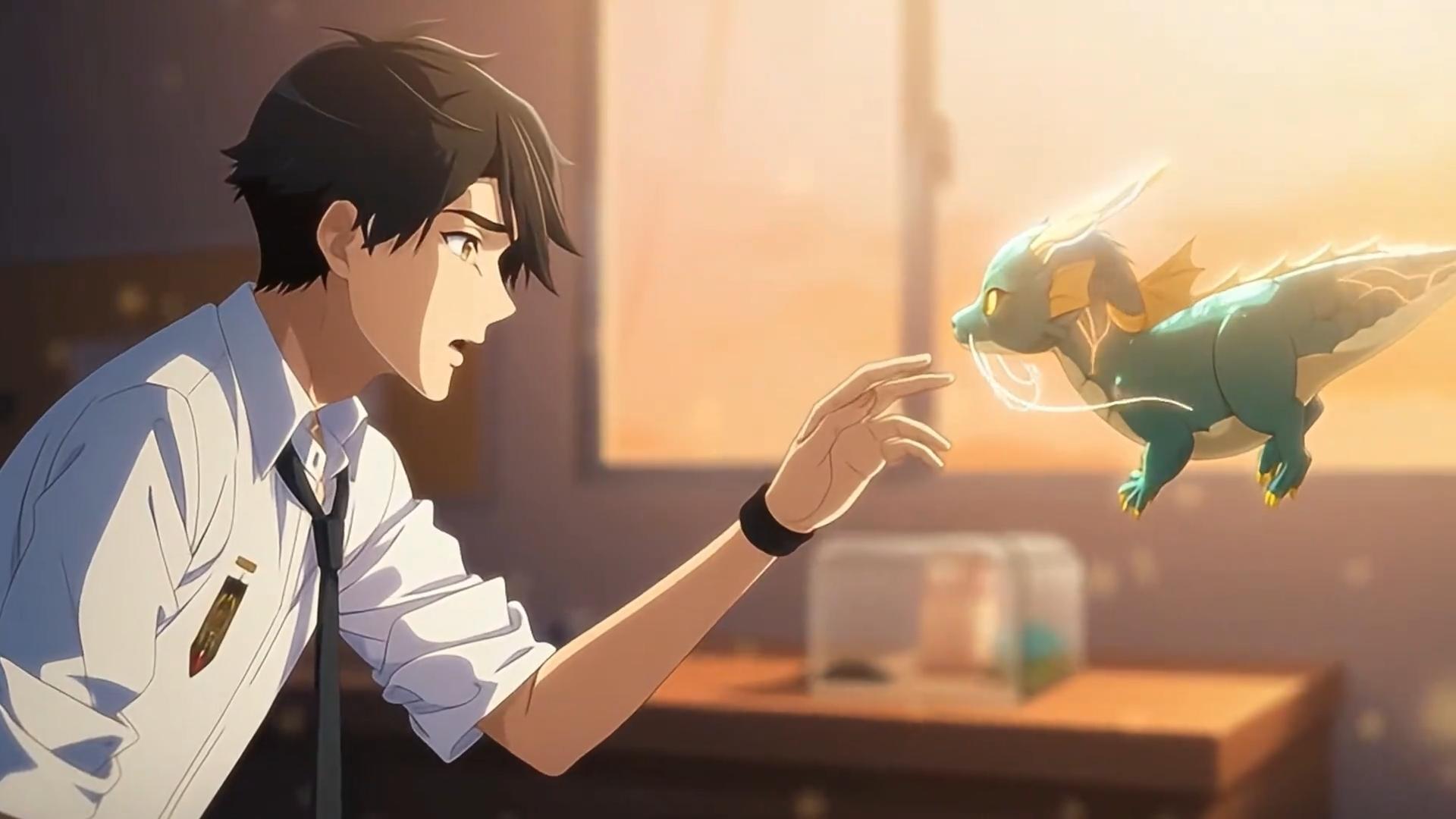
System-based stories promise fairness—clear rules, visible rankings, measurable progress. But even within structured systems, inequality sneaks in. Lin Mo’s awakening gift is rare, yet without money, it’s meaningless. The system empowers him, yes, but it also exposes how broken the original hierarchy was.
There’s an uncomfortable layer here. Once Lin Mo rises, he begins playing the same strategic games others used against him. He calculates alliances. He withholds strength. He leverages shock value. Justice and dominance start to blur.
When the caterpillar evolves into the Void Azure Dragon, it’s triumphant—but it’s also a warning. Power doesn’t erase trauma. It amplifies choices.
If you had the ability to rewrite your position overnight, would you rebuild the system—or simply climb it?
Why This Rise Feels Addictive
Emotionally, Beast Tamer: Back to the Origin works because it compresses humiliation, awakening, and retaliation into tight, satisfying beats. There’s no wasted suffering. Every insult sets up a reversal. Every setback plants a strategic seed.
The dragon reveal scene alone is worth the watch—not just for spectacle, but for the silence that follows. The same crowd that laughed now recalculates.
The series balances fantasy spectacle with social tension, making Lin Mo’s climb feel both mythic and uncomfortably relatable. And just when you think he’s secured dominance, new factions begin circling, hinting that the academy was only level one.
If the weakest creature can become the strongest dragon, what else in this world has been underestimated?
You can stream Beast Tamer: Back to the Origin on the netshort app and see how far Lin Mo pushes the system—and whether power finally gives him peace, or just a bigger battlefield.
